
For many new and expectant parents, secondhand baby items are a go-to for cutting costs and reducing household waste — a choice that aligns with both budget constraints and sustainability goals. But not all used baby products are safe or practical: some carry hidden structural damage, hygiene risks, or fail to meet current safety standards that can put your child at risk. This guide breaks down exactly which items to skip when shopping secondhand, why they pose threats, and how to make safe, informed choices for lower-risk products.
 Common secondhand baby gear items that carry hidden safety risks, per 2026 pediatric safety guidelines.
High-Risk Baby Gear to Avoid Secondhand
Baby gear designed for crash protection, structural support, or secure restraint carries the highest risk when purchased used, as damage is often invisible to casual inspection. For more on this, see our guide on can a baby get a concussion from hitting.
Car Seats with Unknown History
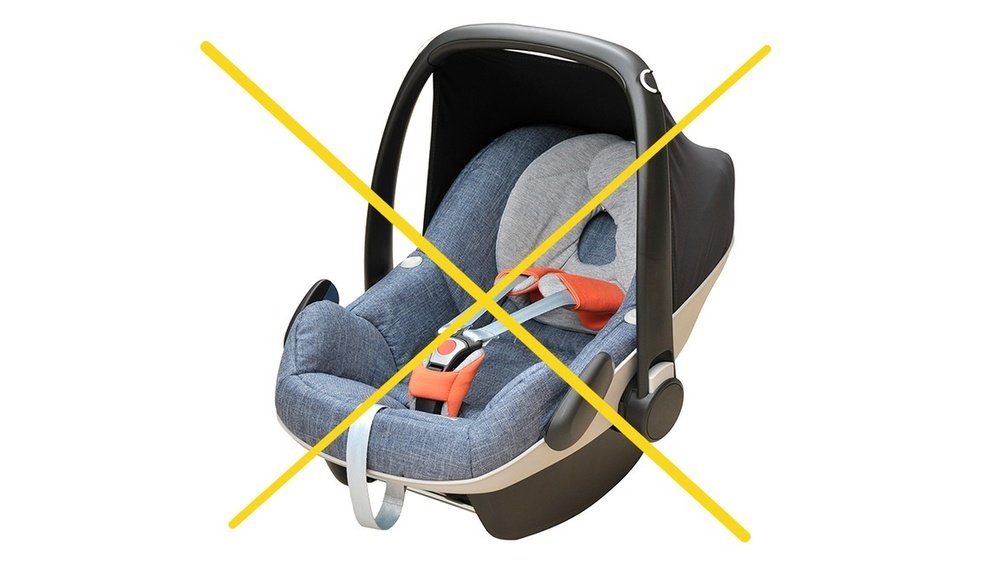
Infant car seats are engineered for single-impact protection: even a low-speed crash that does not leave visible damage can compromise the shell, harness system, or installation mechanisms, reducing effectiveness in a future collision. Most car seats also have a 6–10 year expiration date from the date of manufacture (not first use), as plastic degrades over time from UV exposure, temperature swings, and regular wear. The U.S. National Highway Traffic Safety Administration (NHTSA) explicitly recommends never purchasing a used car seat with unknown crash history, as internal structural damage is often invisible to the naked eye, even if the seat appears undamaged. You can review official NHTSA car seat safety guidance for full details on expiration dates and proper installation.
Cribs and Bassinets with Uncertain Histories
Cribs and bassinets must meet strict 2026 CPSC safety standards, including slat spacing of 2 3/8 inches or less to prevent head entrapment, no drop-side designs (banned in the U.S. since 2011 but still sold used occasionally), and lead-free finishes. Used cribs often have loose or stripped screws, cracked wood, or compromised joints that can lead to collapse or entrapment, while vintage models may have lead paint that chips and is toxic if ingested. Bassinets with worn locking mechanisms can collapse unexpectedly, especially as babies gain weight and move more in their sleep.
Used Strollers with Unverified Use
Strollers endure heavy, repeated stress from daily use, leading to worn brake cables, damaged folding latches, and weakened frame joints that are impossible to spot without full disassembly. CPSC recall records consistently show that a significant share of stroller recalls stem from folding mechanism or brake failures that are not visible on casual inspection. Used strollers may also lack compatibility with modern infant car seat adapters, and may not meet current 2026 weight and height limits for growing toddlers. If you do purchase a used stroller with a verified history, make sure you’re familiar with its folding and locking mechanisms before first use, a step covered in our guide to folding the Uppababy Vista.
Outdated Baby Monitors and Electronics
Analog baby monitors sold before 2010 are unencrypted, meaning strangers can tap into the audio or video feed to monitor your home, posing a serious privacy risk. Older digital monitors may also fail to meet current FCC radiation emission standards, and degraded batteries can lead to sudden overnight failure, leaving you without critical alerts for your baby’s safety. Modern monitors also include mandatory features like motion tracking, room temperature alerts, and secure encrypted connections that are absent from older used models.
Unsafe Used Baby Clothing, Bedding, and Feeding Supplies
Soft items that come into close contact with your baby’s skin, mouth, or sleep space carry unique hygiene and safety risks when purchased secondhand.
Clothing and Sleepwear Risks
Infant sleepwear sold in the U.S. must meet CPSC Flammable Fabrics Act (FFA) standards, requiring either a tight, snug fit or a flame-resistant treatment that is permanently bonded to the fabric. Used sleepwear often has faded or missing safety labels, making it impossible to verify compliance, and repeated washing can wear down flame-resistant treatments over time. Vintage sleepwear made before the 1970s rarely has any flame-resistant treatment at all, creating a severe burn risk if exposed to heat or flames. Avoid used clothing with heavy stain remover residues that can irritate sensitive skin or eczema, as well as garments with loose buttons, snaps, or decorative elements that can detach and cause choking. When buying used baby clothing, prioritize items that fit your baby's current size, as infants outgrow socks and outfits faster than most parents expect, per our breakdown of baby sock needs.
Bedding and Soft Linens to Skip
Used crib mattresses are one of the highest-risk soft items to buy secondhand: they often have compressed foam that creates soft spots, increasing the risk of suffocation for infants, and can harbor dust mites, mold, bed bugs, and bacteria that survive standard washing cycles. The American Academy of Pediatrics recommends a new, firm, flat mattress for every infant sleep space to minimize these risks. Used crib sheets, blankets, and bumpers also pose threats: bumpers can cause suffocation even when new, and used versions often have loose stitching or filling that can detach and create choking hazards. Old blankets may also have excessive pilling that breaks off and is inhaled during sleep.
Feeding Supplies That Should Always Be New
Pacifiers, bottles, nipples, breast pumps, and sippy cups are designed for single-user use due to unavoidable hygiene risks. Silicone pacifiers and bottle nipples degrade over time, becoming brittle and cracking into small pieces that can cause choking, while used versions can harbor harmful bacteria like E. coli and Staphylococcus from previous owners’ saliva, even after washing. Bottle anti-colic valves and threading have tiny crevices that are impossible to clean fully, trapping bacteria that can cause oral thrush or gastrointestinal illness. Breast pump manufacturers explicitly state their devices are for single-user use only, as pump motors and internal parts cannot be fully sanitized between users, posing cross-contamination risks. While it’s tempting to cut costs on feeding gear, investing in new bottles and plates ensures you avoid hidden bacteria, a trade-off many parents find worth it when budgeting for baby dishware needs.
 Safe, new infant sleepwear that meets current CPSC flammability standards for baby sleep.
Dangerous Secondhand Toys and Accessories
Used baby toys pose both physical injury and long-term health risks that are often impossible to assess without detailed inspection.
Physical Injury and Choking Hazards
Old plastic toys become brittle over time, especially if they have been stored in hot cars or direct sunlight, so small parts can snap off easily and cause choking or internal injury if swallowed. Toys with small magnets, button batteries, or detachable parts are especially high-risk, as these components can cause severe internal damage if ingested. Vintage toys manufactured before 2008 may also contain lead paint or harmful phthalates, which are toxic if chewed or swallowed, and cannot be verified safe without lab testing.
Hygiene and Sanitation Risks
Porous plush toys trap dust mites, mold, and bacteria deep in their fibers, even after repeated washing, and can trigger allergies or respiratory issues in infants with sensitive immune systems. Bath toys with hollow designs (like rubber ducks) trap water inside, leading to mold growth that cannot be fully removed. Wooden teething toys absorb saliva and stains over time, creating crevices that harbor bacteria even after sanitizing.
How to Shop Secondhand Baby Items Safely
While high-risk items should always be purchased new, many lower-risk baby products can be bought secondhand safely if you follow these evidence-based guidelines:
Verify Recalls and Compliance First
Before purchasing any used baby item, search the official CPSC product recall lookup tool using the item’s model number and manufacture date to confirm it has not been recalled for safety defects. Check the manufacturer’s website for expiration dates, weight limits, and safety notices, especially for gear like car seats, cribs, and breast pumps that have defined lifespans.
Inspect for Hidden Damage and Wear
When evaluating any used baby item, follow this quick checklist to spot red flags:
- For gear: Test all moving parts (folding mechanisms, wheels, brakes) to ensure they function smoothly, check for cracks, warping, or discoloration in plastic and metal, and confirm all screws and bolts are tight and undamaged.
- For clothing: Check seams for loose stitching, verify that all safety labels (like flame-resistant tags for sleepwear) are intact, and avoid items with rough edges, heavy stains, or strong chemical odors.
- For toys: Look for brittle plastic, chipped paint, loose small parts, or missing pieces, and confirm the item meets current CPSC age and safety labeling requirements.
Sanitize All Items Thoroughly Before Use
Hard plastic items, metal gear, and non-porous toys can be sanitized in a dishwasher or with a bleach solution (1 tablespoon unscented bleach per 1 gallon of water) before first use. Porous items like plush toys, wooden toys, crib mattresses, and fabric gear cannot be fully sanitized, so avoid purchasing these items secondhand entirely. For used strollers and gear with removable fabric covers, replace worn or stained covers with new manufacturer-approved parts to eliminate trapped allergens and bacteria.
 Worn secondhand toys with broken plastic parts that pose choking and injury risks to infants.
Frequently Asked Questions
What baby items should never be bought secondhand?
Car seats, cribs, bassinets, infant sleep mattresses, breast pumps, pacifiers, and toys manufactured before 2008 are the highest-risk items to avoid. These products often have hidden structural damage, fail to meet current safety standards, or carry hygiene risks that cannot be fully mitigated, even with thorough cleaning and inspection.
Are used baby clothes safe to buy?
Used baby clothing is generally low-risk if it is in good condition, has intact safety labels, and is washed thoroughly before first use. Avoid used sleepwear without permanent flame-resistant labeling, vintage items with unknown fabric treatments, and garments with rough seams, loose fasteners, or heavy stains that can irritate sensitive skin.
Why should you avoid secondhand baby mattresses?
Used crib mattresses often have compressed foam that creates soft spots, increasing the risk of suffocation for infants. They also frequently harbor dust mites, mold, bed bugs, and bacteria that survive standard washing cycles. The American Academy of Pediatrics recommends a new, firm, flat mattress for every infant sleep space to minimize these risks.
Can buying used toys be harmful to babies?
Yes, used toys pose both physical and toxicity risks. Brittle plastic from age or heat exposure can break into sharp pieces, small detachable parts can cause choking, and vintage toys made before 2008 may contain lead paint or harmful phthalates that leach into saliva when chewed. Always verify that used toys meet current CPSC safety standards before purchasing.
Are used strollers ever safe to buy?
Used strollers can be safe if you have full documentation of their history (no crashes, no active recalls, all parts are intact), and you can thoroughly inspect and sanitize all fabric, braking, and folding mechanisms before use. Avoid used strollers with unknown histories, especially models with complex folding systems that may have hidden wear.
Can I buy a used crib from a family member?
Used cribs from trusted sources are acceptable only if they meet all current CPSC safety standards: no drop sides, slat spacing of 2 3/8 inches or less, no chipped paint or loose hardware, and no active recalls. Always verify the model number and manufacture date against the CPSC recall database before use, even for gifted items.
Conclusion
When shopping for baby items on a budget, prioritizing safety over cost savings for high-risk products is non-negotiable. Car seats, sleep mattresses, feeding supplies, and toys with unknown histories carry hidden dangers that can lead to injury, illness, or even long-term health effects for your baby. By skipping these high-risk secondhand items and following safe shopping guidelines for lower-risk products, you can cut costs without compromising your child’s well-being.
For more evidence-based guidance on preparing for your baby’s arrival, check out our guide to annual baby coat needs to budget for safe, seasonal outerwear without overbuying.

Emma Grace is a devoted mother and passionate content writer at BestBabyCart.com. With firsthand parenting experience and a love for research, she creates helpful guides and honest reviews to support parents in choosing the best for their babies. Her goal is to make parenthood easier, one article at a time.