
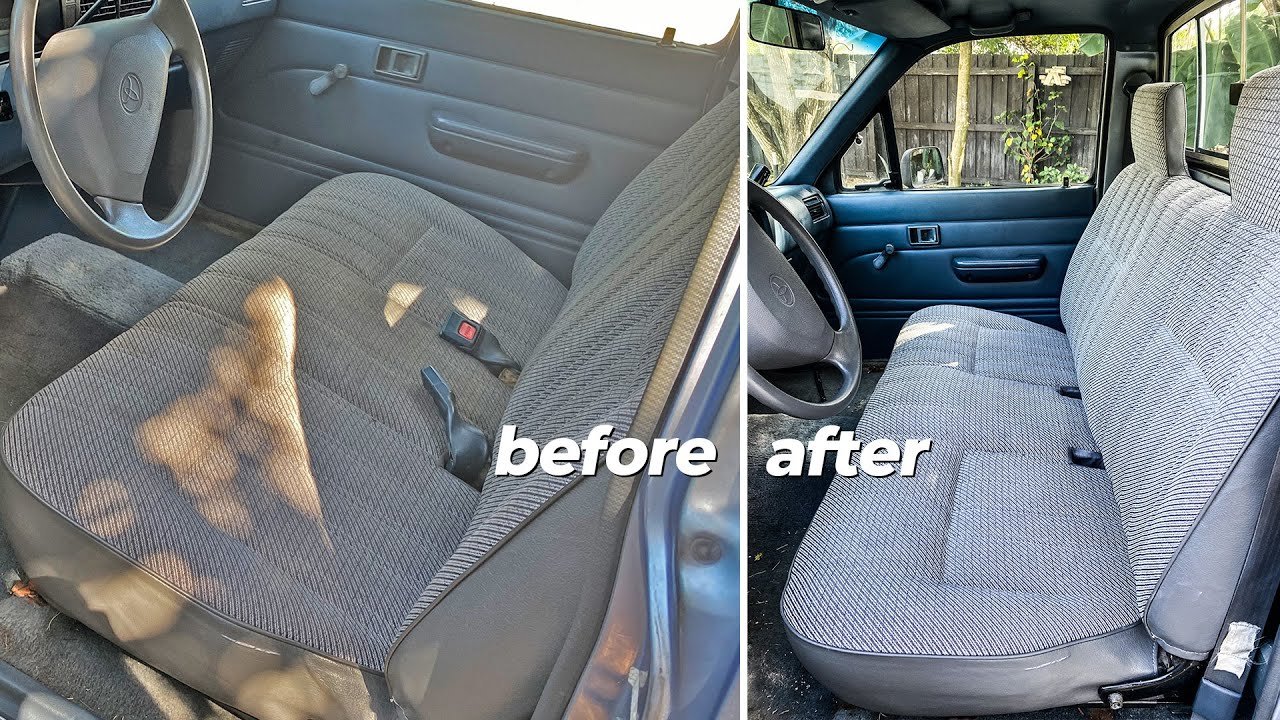
Spilled coffee on your commute, mud tracked in by kids after soccer practice, or pet hair covering every inch of your back seat — if you’ve dealt with messy car interiors, you’ve probably asked yourself: can car seat covers be washed? The short answer is yes, for most covers, but the right cleaning method depends entirely on the material, and using the wrong technique can shrink, fade, or ruin your covers entirely. In this guide, we’ll walk through material-specific washing steps, pre-wash prep, drying best practices, and simple maintenance tips to keep your seat covers looking like new for years, while also protecting your car’s original upholstery and maintaining its resale value.
Yes, Most Car Seat Covers Can Be Washed — But Material Matters First
Car seat covers are made from a wide range of materials, each with unique care requirements. Using the wrong cleaning method for your cover’s material is the fastest way to cause irreversible damage, so identify your cover type before starting any cleaning process.
Fabric Covers (Polyester, Canvas, Cotton)
These are the most common, affordable, and durable seat cover options, and nearly all are machine washable. Designed to withstand daily wear, spills, and kids’ or pets’ messes, fabric covers hold up well to regular washing when cared for properly. Look for a care label sewn into a bottom seam that explicitly states "machine washable" before proceeding.
Genuine Leather
Luxurious and long-lasting when cared for correctly, genuine leather should never be machine washed, as water and detergent will dry out the material, cause cracking, and strip its protective factory finish. For routine cleaning, wipe spills immediately with a damp microfiber cloth, and apply a leather-specific conditioner every 3 to 6 months to keep it soft and supple. For deep cleaning, use a pH-balanced leather cleaner, and avoid all-purpose household products that contain alcohol or harsh chemicals.
Faux Leather/Vinyl
Durable, water-resistant, and budget-friendly, faux leather and vinyl covers are low-maintenance for most messes. Routine cleaning only requires wiping with mild soap and water, and many are machine washable on a gentle cycle — always confirm with the care label first. Avoid abrasive scrubbers, bleach, or oil-based cleaners, which can cause cracking, discoloration, or sticky residue.
Suede, Velvet, and Embroidered Covers
These delicate, high-end materials require special care to avoid ruining their texture or detailed designs. Machine washing will almost always mat suede and velvet, cause fading, and unravel embroidery or beading. For these covers, professional dry cleaning by a service that specializes in automotive upholstery is the only safe option to preserve their appearance. If you’re shopping for a cover for an infant or toddler car seat, prioritize soft, breathable fabrics that won’t irritate sensitive skin, similar to the guidelines for safe crib materials.
 Stained fabric car seat cover ready for pre-treatment and washing
Credit: www.seatcoversolutions.com
Stained fabric car seat cover ready for pre-treatment and washing
Credit: www.seatcoversolutions.com
Pre-Wash Prep: 5 Steps To Avoid Ruined Covers
Skipping pre-wash prep is the most common cause of avoidable seat cover damage. Follow these steps before you start washing to ensure your covers come out clean and undamaged:
- Check the care label first: Every cover has a care label sewn into a hidden seam, usually on the bottom edge. Look for symbols indicating maximum washing temperature, dryer safety, and whether bleach is allowed. If the label says "dry clean only," skip at-home washing entirely to avoid voiding warranties or ruining the material. If there is no label, contact the manufacturer directly for guidance before proceeding.
- Document installation and remove carefully: Before unzipping any fasteners, take photos of how the cover is attached to the seat, including strap placements and hook locations. Unzip all hidden zippers, unhook any fasteners, and pull the cover off gently — never yank or pull hard, as this can tear seams or stretch the fabric. Lay the cover flat immediately to avoid deep creases that are hard to remove after washing.
- Pre-treat stubborn stains: For fresh spills, blot (don’t rub) the area with a clean microfiber cloth to absorb as much liquid as possible. For set-in stains like grease, mud, or coffee, apply a small amount of upholstery cleaner or mild dish soap directly to the stain, let it sit for 5 to 10 minutes, then blot with a damp cloth. Always test any cleaner on a hidden seam first to make sure it doesn’t discolor the fabric.
- Sort covers by material: Don’t mix heavy canvas covers with delicate faux leather or embroidered covers in the same wash cycle, as the heavier material can snag or damage the more delicate one. Wash similar materials together to ensure even cleaning and avoid cross-damage.
- Repair small damage first: If you notice small tears, loose seams, or broken fasteners, repair them with a fabric patch or sewing kit before washing. The agitation of a washing machine will make small damage much worse, leading to larger tears that require full replacement.
If you’re using a cover for a child’s car seat, always confirm that it fits your specific model perfectly, with no loose fabric that could interfere with the harness system or buckle latches, as an ill-fitting cover can pose a safety risk, a concern we addressed in our guide to car seat installation safety mistakes.
Step-By-Step Washing Methods For Every Material
Machine Washing
Machine washing is the fastest option for durable fabric covers, but only use it if the care label explicitly allows it. A common mistake many car owners make is throwing all seat covers in the washer on the default warm cycle, which shrinks cotton blends and fades dark colors within a few washes. Follow these steps for best results:
- Place the cover in a mesh laundry bag to prevent snags, stretching, and damage from the washer’s agitator.
- Use cool water and a gentle cycle — hot water will shrink natural fibers and fade dark dyes.
- Add a small amount of mild, pH-neutral detergent — avoid bleach, fabric softener, and heavy-duty stain removers, which can break down fabric fibers over time and cause stiffness.
- Don’t overload the washer: wash 1 to 2 seat covers at a time to ensure they have enough room to agitate fully and get clean. For a visual walkthrough of the gentle hand washing technique for delicate fabric covers, this short tutorial demonstrates the correct agitation method to avoid damage: video walkthrough
Hand Washing
Hand washing is the safest option for delicate fabric covers, faux leather with bonded accents, or covers with delicate embroidery. It takes a bit more time, but it eliminates the risk of snags, shrinkage, or damage from machine agitation:
- Fill a clean basin or bathtub with lukewarm water (never hot) and 1 to 2 tablespoons of mild detergent.
- Submerge the cover fully, and gently agitate it with your hands for 2 to 3 minutes, paying extra attention to stained or heavily soiled areas.
- Drain the soapy water, then refill the basin with cool, clean water and rinse the cover thoroughly until all soap residue is gone — leftover detergent can cause stiffening or discoloration over time.
- Gently squeeze out excess water (never wring or twist the cover, as this will stretch the fabric) and lay it flat on a clean towel to drip dry for 30 minutes before hanging.
Professional Cleaning
For suede, velvet, leather, or covers with intricate beading, embroidery, or custom graphics, professional cleaning is the only safe option. Look for a cleaner that specializes in automotive upholstery, as they will have the right tools and solutions to clean these delicate materials without causing damage. Professional cleaning is also a good choice for covers with heavy, set-in stains that you can’t remove at home.
 Car seat covers in a mesh laundry bag to prevent snags and stretching during machine washing
Credit: freesoo-auto.com
Car seat covers in a mesh laundry bag to prevent snags and stretching during machine washing
Credit: freesoo-auto.com
Drying Do's And Don'ts To Prevent Shrinkage And Mildew
Improper drying is the second most common cause of ruined seat covers, so follow these rules to keep your covers in good shape:
Air Drying Best Practices
Air drying is the safest option for almost all seat cover materials. Follow these steps to avoid fading, stretching, or mildew:
- First, lay the damp cover flat on a clean, lint-free drying rack or towel for 30 minutes to let excess water drip off — this prevents water stains from forming on the fabric.
- Once excess water is gone, hang the cover in a shaded, well-ventilated area. Direct sunlight will fade dark colors and weaken synthetic fibers over time, so avoid hanging covers in direct sun.
- Never reinstall a damp cover on your seats — trapped moisture will cause mildew growth, which causes permanent staining and unpleasant odors. Wait until the cover is 100% dry to the touch before putting it back on.
Tumble Drying Rules
Only use a dryer if the care label explicitly states the cover is dryer-safe. If allowed, follow these rules to avoid damage:
- Use the lowest heat setting possible — high heat will shrink cotton blends, melt synthetic fabrics, and crack faux leather or vinyl accents.
- Place the cover in a mesh laundry bag to reduce friction and prevent snags.
- Remove the cover while it is still slightly damp — over-drying in high heat is the leading cause of shrinkage for machine-washable covers.
 Car seat covers air drying flat on a rack to prevent stretching and fading
Credit: www.seatcoversolutions.com
Car seat covers air drying flat on a rack to prevent stretching and fading
Credit: www.seatcoversolutions.com
Post-Wash Care To Keep Covers Looking New Longer
Once your covers are clean and dry, a few simple steps will extend their lifespan and keep them looking fresh:
- Reinstall correctly: Use the photos you took during removal to reattach the cover properly, making sure all fasteners, zippers, and straps are secure. A loose, ill-fitting cover will shift while you drive, causing wear and tear on the fabric and even interfering with your seat’s functionality.
- Reapply fabric protectant: If your cover is made of fabric or microfiber, apply a spray-on upholstery protectant every 3 to 6 months. This creates a barrier that repels spills and stains, making spot cleaning between washes much easier. Always test the protectant on a hidden area first to make sure it doesn’t discolor the fabric.
- Store spare covers properly: If you have a seasonal cover (like a heavy winter cover or a breathable summer cover), store it in a cool, dry place when not in use. Avoid plastic storage bags, which trap moisture and cause mildew, and never store covers in direct sunlight, which will fade the fabric over time.
Quick Maintenance Tips To Cut Down On Full Washes
Regular, small maintenance tasks will keep your seat covers looking clean between full washes, saving you time and extending the life of the fabric:
- Vacuum weekly with a handheld vacuum equipped with a crevice tool to pull crumbs, dust, and pet hair out of seams, corners, and under seat edges. This prevents dirt from grinding into the fabric fibers and causing permanent wear.
- Blot spills immediately with a clean, dry microfiber cloth as soon as they happen — never rub, as this will push the stain deeper into the fabric and make it impossible to remove.
- Use protective layers for high-mess use cases: if you have young kids or pets that ride in the car regularly, add a waterproof seat protector layer under the main cover. This catches spills, mud, and pet hair before they reach the fabric, so you only need to wash the protector layer instead of the full cover. If you want to hide everyday crumbs and small stains between washes, a busy patterned cover works far better than solid light colors, and chevron is a popular, baby-friendly option that holds up well to regular cleaning, as we covered in our guide to chevron patterns for nursery and gear. For families in cold climates, add a waterproof seat protector layer under the cover to catch slush and snow from winter boots, which cuts down on how often you need to do a full wash, especially during the months when multiple layers are standard for baby outings. If your kids snack in the car regularly, opt for a spill-resistant fabric cover and keep a set of wipeable placemats on hand to catch crumbs, so you don’t have to deep clean your seat covers as often, paired with the right mess-proof tableware for on-the-go meals.
Frequently Asked Questions
Can all car seat covers be washed?
No, not all car seat covers are safe to wash at home. Most fabric, polyester, and canvas covers are machine or hand washable, but materials like genuine leather, suede, velvet, and covers with delicate beading, embroidery, or bonded accents require professional cleaning to avoid damage. Always check the manufacturer’s care label first — if the label says "dry clean only" or "professional clean only," DIY washing will void warranties and ruin the material. For covers without a clear label, contact the manufacturer directly for guidance before proceeding.
How often should I wash my car seat covers?
For most households, washing car seat covers every 1 to 3 months is sufficient to keep them fresh and free of built-up dirt, allergens, and bacteria. If you have young children who snack in the car, pets that ride along regularly, or allergy sufferers in the household, increase washing to every 4 to 6 weeks. Spot clean spills as soon as they happen to extend the time between full washes, and never let stains sit for more than a few hours, as they will set into the fabric and become impossible to remove.
What is the best way to wash car seat covers?
The best method depends entirely on the cover’s material:
- For machine-washable fabric covers: Use a gentle cycle with cool water and a mild, pH-neutral detergent. Place the cover in a mesh laundry bag to prevent snags, and avoid bleach or fabric softener, which can break down fibers over time.
- For hand-wash only delicates: Fill a clean basin with lukewarm water and 1 to 2 tablespoons of mild detergent, submerge the cover, and gently agitate with your hands for 2 to 3 minutes. Rinse thoroughly until all soap residue is gone, then gently squeeze out excess water (don’t wring, which can stretch the fabric) and lay flat to dry.
- For leather, suede, or embroidered covers: Skip at-home washing entirely and use a professional cleaner specializing in automotive upholstery to avoid cracking, fading, or damaging delicate details.
Can you put car seat covers in a dryer?
Only if the care label explicitly states the cover is dryer-safe. For covers that allow tumble drying, use the lowest heat setting possible, and remove the cover while it is still slightly damp to prevent shrinkage. Never use high heat, as it will melt synthetic fabrics, shrink cotton blends, and crack leather or faux leather accents. For most covers, air drying is the safest option: lay the cover flat on a clean drying rack first to drip excess water, then hang it in a shaded, well-ventilated area until it is 100% dry to avoid mildew growth.
What should I do if my seat cover shrank after washing?
Minor shrinkage (less than 5% of the original size) can often be reversed by gently stretching the damp cover back to its original dimensions while it is still wet, then pinning it to a drying rack to dry in the correct shape. For more significant shrinkage, there is no reliable fix, so the cover will likely need to be replaced. To avoid shrinkage entirely, always follow the care label’s water temperature and drying instructions, and never expose covers to high heat during washing or drying.
Final Verdict: Keep Your Seats Fresh With Simple, Material-Specific Care
Cleaning car seat covers is a simple, low-effort way to keep your car’s interior looking new, protect your original upholstery, reduce allergens, and even boost your car’s resale value. For most fabric covers, a gentle machine or hand wash with mild detergent is all you need, while leather, suede, and delicate embroidered covers require professional care to avoid damage. Always follow the manufacturer’s care label, pre-treat stains before washing, and air dry covers in the shade to prevent fading and shrinkage. By combining regular full washes with quick weekly maintenance like vacuuming and immediate spot cleaning, you can go months between deep cleans and keep your seat covers looking great no matter what messes your family or pets track in. For parents who travel frequently with napping babies, a machine-washable seat cover makes post-ride cleanup far faster, so you can get back to your routine without spending hours scrubbing stains, which is a huge help when managing early baby bedtimes on outings. If you’re shopping for a new machine-washable car seat cover that fits your model perfectly, check our top-rated, parent-tested picks for durable, easy-to-clean options that stand up to daily messes.

Emma Grace is a devoted mother and passionate content writer at BestBabyCart.com. With firsthand parenting experience and a love for research, she creates helpful guides and honest reviews to support parents in choosing the best for their babies. Her goal is to make parenthood easier, one article at a time.