Top Tips for Confident Public Breastfeeding

Top Tips for Confident Public Breastfeeding: Nurse Anywhere

Breastfeeding in public can feel challenging. But it doesn’t have to be.

Hey, mama! Breastfeeding is a beautiful way to bond with your baby, but nursing in public can feel like stepping onto a stage. Worried about curious eyes, a fussy baby, or just staying comfy in a bustling café? You’re not alone, and we’ve got your back. This heartfelt guide, crafted for BestBabyCart.com, is packed with expert tips for Confident Public Breastfeeding, practical hacks, and emotional support to help you breastfeed in public with total confidence. Whether you’re at a park, mall, or cozy coffee shop, you’ll be nursing like a pro in no time. Let’s dive into the tools and tricks to make public breastfeeding a breeze!


Why Public Breastfeeding is a Superpower

Nursing in public is more than just feeding your baby—it’s about owning your motherhood journey and normalizing a natural act. Babies get hungry on their schedule, and you shouldn’t have to hide away to meet their needs. When you breastfeed in public, you’re advocating for your baby’s right to eat and helping create a world where moms can nurse anywhere, anytime.

Saying Goodbye to Stigma

Let’s be real: some people still get uneasy about public breastfeeding, and that can make you feel a little vulnerable. But here’s the exciting part: breastfeeding is legally protected in many places, including all 50 U.S. states, where you have the right to nurse in any public or private spot. By breastfeeding openly, you’re helping break down old stereotypes and paving the way for other moms to feel empowered. You’re a game-changer, mama!

Growing Your Confidence Muscle

Confidence comes with practice, and public breastfeeding is no exception. Start with small outings—like a quick feed at a quiet park or a cozy coffee shop—and work your way up to busier spots like malls or restaurants. Each time you nurse in public, you’ll feel stronger and more at ease. Connecting with other moms through local groups or online communities on X can give you a boost of support and real-world tips to make it even easier.

Joyful mother breastfeeding in a serene park


Prep Like a Pro for Public Nursing

Preparation is your secret weapon for stress-free public breastfeeding. A little planning lets you focus on bonding with your baby instead of worrying about logistics. Here’s how to get ready to nurse with ease.

Choose Nursing-Friendly Outfits

Invest in clothes that make breastfeeding a breeze. Nursing tops with hidden flaps, wrap dresses, or button-down shirts are fantastic choices. Layering a nursing tank under a flowy cardigan gives you coverage and style. A supportive nursing bra is a must—check out the Kindred Bravely Sublime Nursing Bra for comfort and easy access. Visit BestBabyCart.com for more nursing wear inspiration.

Pack a Nursing Cover (If You Like)

You don’t *need* a nursing cover, but it can be a lifesaver if you’re feeling shy. Opt for a lightweight, breathable one with a structured neckline so you can peek at your baby. The Bebe au Lait Nursing Cover is a popular choice for style and function. A large scarf or shawl can also double as a cover, adding a chic touch to your outfit.

Practice at Home

Before heading out, practice nursing in front of a mirror to check visibility and get comfy. Experiment with positions like the cradle hold or football hold to find what works. Familiarize yourself with your cover or clothing setup so you’re not fumbling in public. This quick rehearsal will make you feel like a breastfeeding rockstar.

Your Public Breastfeeding Essentials

Pro Tips for Nursing Anywhere

With your prep work done, these practical tips will help you breastfeed in public like a seasoned mom. From finding the perfect spot to mastering clever techniques, here’s how to make it seamless.

Find a Cozy Spot

Look for a comfy, quiet place to nurse, like a park bench, café corner, or breastfeeding lounge. Many malls and airports now have nursing rooms with cozy chairs and changing stations. In restaurants, ask for a booth or a table in a less busy area for extra privacy. A reliable diaper bag, like the Skip Hop Diaper Bag, keeps all your essentials organized on the go.

Use Your Surroundings Wisely

Position yourself strategically to feel at ease. Face a wall, turn your back to the crowd, or have a friend or partner sit beside you for a natural barrier. These small adjustments can make a big difference in your comfort level.

Master the Two-Shirt Trick

For discreet nursing without a cover, wear a fitted tank top under a loose shirt. Lift the outer layer and pull down the tank to expose only what’s needed. This technique is quick, effective, and keeps you covered without extra gear.

Stay Hydrated and Nourished

Breastfeeding can leave you thirsty and hungry, especially when you’re out and about. Pack a reusable water bottle and a nutrient-rich snack—like nuts, fruit, or a protein bar—to keep your energy up. A spacious diaper bag (like the Skip Hop) makes it easy to carry everything you need.


[xyz-ihs snippet=”feeding-anywhere”]


Choosing The Right Outfit

Breastfeeding in public can seem daunting for new mothers. The right outfit choice can make the experience much more comfortable and stress-free. Prioritizing comfort and accessibility is key when selecting your attire.

Comfortable Clothing Choices

Choose clothes made from soft, breathable fabrics. Cotton and bamboo are excellent choices. They keep you cool and comfortable. Avoid tight-fitting clothes that restrict movement. Loose-fitting tops and dresses offer more comfort. Consider layered clothing for different weather conditions. A light cardigan can be useful on chilly days.

Easy Access Options

Opt for tops with front openings or zippers. These allow easy access for feeding. Wrap tops and button-down shirts are practical choices. They provide quick access without fuss. Nursing bras and camisoles offer discreet support. They make breastfeeding simple and convenient. Look for clothes designed specifically for breastfeeding. These often have hidden openings and clever designs.

breasfeeding newmom in cafe


Finding Suitable Locations for Confident Public Breastfeeding

Breastfeeding in public can feel daunting for many new mothers. Finding a comfortable location is key to a positive experience. The right spot helps both mother and baby relax. It also ensures privacy and comfort. Below, we explore options for suitable public spaces and designated areas.

Public Spaces With Privacy

Some public spaces offer privacy without feeling isolated. Parks often have quiet corners or benches away from crowds. Libraries are also a good choice. They provide a calm environment with fewer distractions. Shopping malls sometimes have hidden seating areas. Look for ones tucked away from main walkways. Outdoor cafes with corner seating can offer both privacy and a pleasant atmosphere.

Using Designated Areas

Many places now have designated breastfeeding areas. These are designed for comfort and privacy. Airports often include nursing rooms in their terminals. These rooms usually have comfortable seating and changing facilities. Some restaurants offer private booths for mothers. They provide a peaceful setting away from the main dining area. Large retail stores sometimes include family rooms. These spaces are equipped with comfortable chairs and are often quieter.

Using Supportive Accessories for Breastfeeding

Supportive accessories make breastfeeding in public easier and more comfortable. Nursing covers offer privacy while feeding your baby. Using a baby carrier or sling allows discreet breastfeeding and frees up your hands for other tasks.

Breastfeeding in public can be challenging for many new mothers. Supportive accessories make this experience more comfortable. These tools help maintain privacy and ensure ease during feeding. They give mothers confidence to breastfeed anywhere, anytime. Let’s explore some essential accessories.

Nursing Covers And Scarves

Nursing covers provide privacy during breastfeeding. They come in various styles and materials. Some have adjustable necklines for easy eye contact with the baby. Scarves double as fashion accessories and nursing covers. They blend style and function seamlessly. Choose breathable fabrics for comfort. Lightweight materials keep both mom and baby cool. Consider the ease of use when selecting a cover. It should be easy to put on and take off.

Breastfeeding-friendly Bras

Breastfeeding-friendly bras offer comfort and support. They have easy-to-open flaps or panels. This feature simplifies feeding in public. The right bra prevents discomfort and provides proper support. Choose bras made from soft, stretchy materials. Look for options without underwires. Underwires can be uncomfortable and restrict milk flow. Ensure the bra fits well to avoid irritation. A good fit enhances comfort during breastfeeding.

Building Confidence

Breastfeeding in public can feel daunting at first. Practice at home boosts confidence. Choose comfortable clothing for easy access. Find a quiet spot to relax. A nursing cover provides privacy if desired. Stay calm and focus on your baby. Confidence grows with each outing.

Confidence grows with practice. Start small—a quick feed at a quiet park or a cozy café—and work your way up to busier places like malls or restaurants. Each successful session makes you feel more unstoppable. Connecting with other moms through local groups or online communities on X can give you a cheering squad full of tips and encouragement.

[xyz-ihs snippet=”gumroad”]


Overcoming Anxiety

Public breastfeeding can trigger anxiety due to fear of judgment or unwanted attention. It’s important to acknowledge these feelings and face them head-on. Start by choosing familiar places for your initial public breastfeeding attempts, like a local park or a cozy cafe. Remember the first time you faced a challenge and succeeded? Channel that feeling. Consider using a nursing cover or scarf if it helps you feel more secure. Practice at home in front of a mirror to get comfortable with different positions and garments. What if someone does stare or comments? Have a calm response ready. A simple smile or a polite remark can diffuse awkward moments and show others that you are confident in your choice.

Positive Mindset Practices

Your mindset plays a pivotal role in building confidence. Begin by affirming your decision to breastfeed publicly; it’s a natural and nourishing act. Positive self-talk can transform your outlook. Try telling yourself, “I am providing my baby with the best care.” Visualize successful breastfeeding sessions in public. Picture yourself relaxed and at ease, this can help prepare your mind for the experience. Have you considered joining a group of breastfeeding mothers?

Sharing experiences and encouragement can boost your confidence immensely. Try mindfulness exercises to keep your stress levels in check. Deep breathing or short meditation sessions can make a big difference. Embrace each public breastfeeding moment as a step towards greater confidence. Building confidence in public breastfeeding is a journey. What small steps will you take today to feel more secure tomorrow?

Soothing a Fussy Baby

A restless baby can make nursing stressful. If your little one struggles to latch, try rocking them gently, checking their diaper, or switching positions. A short walk or some soft humming can help calm them. A pacifier, like the Philips Avent Soothie, can also soothe them before feeding.

Managing Distractions

Busy environments can distract curious babies, making it hard for them to focus. Use a nursing cover, turn your baby toward your body, or find a quieter spot to minimize overstimulation. Singing softly or offering a pacifier can help them settle. A cozy blanket from your diaper bag can create a calm nook for nursing.

Handling Public Reactions

Breastfeeding in public can be comfortable with a few simple strategies. Choose a cozy, quiet spot and wear clothes designed for easy access. Practice at home to build confidence and use a shawl or scarf for added privacy.

Breastfeeding in public can be a daunting experience, especially when faced with unpredictable public reactions. You might find yourself in a situation where you’re unsure of how to handle comments or curious glances. Remember, every moment is an opportunity to educate and create a more understanding society. Your comfort and your baby’s needs come first. Let’s explore some effective strategies for managing public reactions while breastfeeding.

Responding To Comments

Comments, whether positive or negative, can catch you off guard. A simple smile or nod can defuse many situations without escalating them. If someone makes a supportive remark, acknowledging it with a “Thank you” can foster a friendly environment. Negative comments might be more challenging. It’s okay to assert your right to feed your baby. A calm response like, “I’m just feeding my baby,” can often end the conversation. Consider preparing a few responses ahead of time. This preparation can make you feel more confident and in control.

Educating The Curious

Curiosity is natural, and sometimes people just want to understand. If approached with genuine questions, use it as a chance to educate. You might say, “Breastfeeding is the best choice for my baby and me.” Sharing a personal story can also be impactful. You might mention how breastfeeding in public allows you to continue your daily activities without interruption. This insight can help dispel myths and build awareness. Encourage others to learn more about breastfeeding benefits.

Suggest resources or groups where they can find more information if they’re interested. Your openness might inspire someone else to become a supporter or advocate. Handling public reactions while breastfeeding is about finding what works best for you. Have you ever experienced a surprising public reaction? How did you handle it? Your experiences can pave the way for a more supportive community.

How to Breastfeed in Public Comfortably: Expert Tips


Connecting With Other Mothers

Connecting with other mothers helps in learning how to breastfeed in public comfortably. Sharing experiences can boost confidence and provide practical tips. Support from fellow mothers makes the journey easier and more enjoyable.

Connecting with other mothers can be a lifeline when breastfeeding in public. It provides an opportunity to share experiences and gain confidence. You might find comfort knowing you’re not alone in your struggles and triumphs.

Joining Support Groups

Support groups are often a great way to connect with other breastfeeding mothers. They offer a safe space to discuss challenges and exchange tips. Whether online or in-person, these groups can be a valuable resource. Start by searching for local breastfeeding support groups. Community centers often host gatherings where mothers share advice and camaraderie. Online forums and social media groups are also accessible options, allowing you to connect without leaving home.

Attending a group can boost your confidence. Hearing stories from other mothers who have successfully breastfed in public can be empowering. You’ll learn strategies that suit your needs and feel more prepared for your next outing.

Sharing Experiences

Sharing your own experiences can be beneficial. It helps build a sense of community and understanding. When you open up, others may feel encouraged to do the same. Consider sharing a story about a time you breastfed in public. Was there a moment when you felt particularly proud or challenged? Sharing these details can provide valuable insights for others. Have you found a particular method that makes breastfeeding in public easier for you? Share it.

Your unique experiences might offer practical solutions for someone struggling with similar issues. Connecting with other mothers is not just about receiving support. It’s also about contributing to a community where everyone learns and grows together. What new perspectives will you gain from this shared journey?

Legal Rights And Protections

Breastfeeding in public is a natural and necessary act. Many mothers worry about their rights in public spaces. Legal protections exist to support breastfeeding mothers. Understanding these rights can boost confidence and ease public breastfeeding. This section covers the legal rights and protections for breastfeeding mothers.

Understanding Your Rights

Every mother has the right to breastfeed her child in public. Knowing your rights empowers you. It ensures comfort and confidence. Public breastfeeding is legal in many places. Mothers should feel safe and supported. Educating yourself on these rights is essential.

State And Federal Laws

Both state and federal laws protect breastfeeding. In the U.S., the law supports breastfeeding mothers. Federal law allows breastfeeding in public and private spaces. Many states have additional protections. Some states have laws that exempt breastfeeding from public indecency. This legal backing is crucial for mothers.

Each state’s law can differ. It is vital to know your state’s specific laws. Check local resources for detailed information. Knowing these laws can help in any situation. Stay informed and prepared.

[xyz-ihs snippet=”gumroad”]

Expert Advice On Techniques

Breastfeeding in public can feel challenging for new mothers. With expert advice, you can find comfort and ease. Understanding simple techniques can make a big difference. Let’s explore some helpful strategies.

Latch Tips

A good latch is key to comfortable breastfeeding. Bring your baby to your breast, not the other way around. Support your baby’s neck and shoulders. Make sure their mouth is wide open before latching. Check for a deep latch. Your baby’s chin should touch your breast. Their nose should be free. Listen for swallowing sounds. Adjust if you feel pain.

Comfortable Positions

Finding a comfortable position is crucial. The cradle hold is popular. Support your baby with one arm. Use your other hand to guide them. The football hold works for many mothers. Tuck your baby under your arm like a football. This position allows easy guidance. The side-lying position is great for rest. Lie on your side with your baby facing you. Choose a position that feels best for you.

How to Breastfeed in Public Comfortably: Expert Tips


Emotional Support: You’re Stronger Than You Think

Breastfeeding in public is as much an emotional journey as a practical one. It’s normal to feel nervous or vulnerable at first—every mom does! But with each outing, you’re building confidence and strength. Surround yourself with a supportive crew—your partner, friends, or a local mom group. Online communities on X are also amazing for connecting with other breastfeeding moms who share tips, stories, and encouragement.

Celebrate Every Milestone

Every time you breastfeed in public, you’re doing something incredible. Whether it’s a smooth latch in a bustling mall or just feeling okay about nursing in a café, these are wins worth celebrating. You’re not just nourishing your baby—you’re helping normalize breastfeeding for everyone.

Know Your Rights

Knowledge is power, mama. In the U.S., federal and state laws protect your right to breastfeed in any public or private place where you’re allowed to be. Many countries have similar protections. If someone challenges you, calmly state your rights or move to a spot that feels more comfortable for you. You’ve got the law on your side!

FAQs About Breastfeeding in Public

Is breastfeeding in public legal?

Yes! In the U.S., all 50 states protect your right to breastfeed in public or private locations. Check local laws when traveling internationally to stay informed.

Do I need a nursing cover to breastfeed in public?

No, it’s optional. Many moms nurse discreetly without one, using strategic clothing or positioning, but a cover can provide extra comfort if you prefer.

What should I do if someone asks me to stop breastfeeding?

Politely inform them of your legal right to breastfeed in public. If you feel uneasy, you can move to a quieter spot, but you’re not obligated to stop.

How can I breastfeed discreetly in public?

Use nursing-friendly clothing, try the two-shirt trick, or position yourself strategically. A nursing cover or scarf can also help if you want extra privacy.

How To Feel Comfortable Breastfeeding In Public?

Wear comfortable, discreet clothing for easy breastfeeding access. Practice at home to build confidence. Use a nursing cover or scarf if preferred. Choose a supportive environment, such as a mom-friendly café. Remember, breastfeeding is natural and legal; focus on your baby’s needs and your comfort.

What if my baby won’t latch in public?

You’re well on your way to mastering public breastfeeding, mama! With these expert tips, a solid plan, and your unstoppable spirit, you can nurse anywhere with confidence and joy. At BestBabyCart.com, we’re here to support you with the best advice and resources to make your breastfeeding journey amazing. So, pack your diaper bag, step out with a smile, and show the world what an incredible mom you are. You’ve got this!

What Is The 4 4 4 Rule For Breastfeeding?

The 4 4 4 rule for breastfeeding suggests feeding newborns every 4 hours, for 4 minutes per breast, for 4 weeks. This method helps establish feeding routines and ensures adequate milk supply. Always consult with a healthcare professional for personalized advice.

How To Cover While Breastfeeding In Public?

Use a nursing cover or scarf for privacy. Wear layered clothing for easy access. Position yourself comfortably and discreetly. Choose a quiet spot if possible. Practice at home to boost confidence.

How To Dress For Breastfeeding In Public?

Wear layered clothing for discretion. Choose tops with nursing access, like button-downs or wraps. Opt for a nursing bra. Use a scarf or cover for privacy. Select comfortable fabrics for easy movement.

Conclusion

You’re well on your way to mastering public breastfeeding, mama! With these expert tips, a solid plan, and your unstoppable spirit, you can nurse anywhere with confidence and joy. At BestBabyCart.com, we’re here to support you with the best advice and resources to make your breastfeeding journey amazing. So, pack your diaper bag, step out with a smile, and show the world what an incredible mom you are. You’ve got this!

Keep going, you’re doing great


[xyz-ihs snippet=”gumroad”]

 

Breastfeeding Tips for New Moms

Breastfeeding Tips for New Moms: Your Ultimate Beginner’s Guide to Success!


Breastfeeding is a natural way to nourish your baby. It can also be daunting for new mothers.

Many beginner moms feel unsure about where to start. Understanding basic tips can ease this journey and make it more enjoyable for both mother and child. Breastfeeding is not just about feeding; it’s about bonding, health, and comfort. In the beginning, it might feel overwhelming. In this article, we will let you know the details of  Breastfeeding Tips for New Moms.

Why Breastfeeding Matters

Breastfeeding is more than just feeding your baby—it’s a nurturing act that fosters physical and emotional closeness. The World Health Organization (WHO) recommends exclusive breastfeeding for the first six months of life because of its numerous benefits for both baby and mom.

Benefits Of Breastfeeding

Breastfeeding Tips for Beginners. Breastfeeding offers a range of benefits for both mother and baby. It provides essential nutrients that support growth and development. Breastfeeding also strengthens the bond between mother and child. Understanding these benefits can help new mothers feel more confident. Let’s explore these advantages further.

Breastfeeding Tips for Beginners

Breastfeeding Benefits for Baby

  • Nutrition Powerhouse: Breast milk contains the perfect balance of nutrients, antibodies, and enzymes tailored to your baby’s needs.

  • Immune Support: It helps protect against infections, allergies, and chronic conditions like obesity and diabetes later in life.

  • Cognitive Development: Studies suggest breastfeeding may support brain development and higher IQ scores.

Breastfeeding Benefits for Mom

  • Physical Recovery: Breastfeeding triggers oxytocin release, helping your uterus contract and reducing postpartum bleeding.

  • Emotional Bonding: The skin-to-skin contact fosters a deep connection with your baby.

  • Long-Term Health: It lowers the risk of breast and ovarian cancer and may help with postpartum weight loss.

Bonding With Your Baby

Breastfeeding creates a unique bonding experience. It promotes closeness through skin-to-skin contact. This closeness helps the baby feel secure and loved. It can also enhance emotional connections. The act of breastfeeding releases oxytocin. This hormone strengthens the emotional bond between mother and baby.

Preparing For Breastfeeding

Breastfeeding is a beautiful journey for both mother and baby. Proper preparation can ease the process for beginners. Understanding what you need to start makes the experience smoother. Let’s explore some essential steps to get ready for breastfeeding.

Creating A Comfortable Environment

A cozy space is key for successful breastfeeding. Choose a quiet corner in your home. Use a comfortable chair with good back support. Soft lighting can help create a calm atmosphere. Keep distractions like loud noises away. This helps the baby to focus during feeding sessions.


Building a Breastfeeding Routine

As you and your baby get the hang of breastfeeding, establishing a routine can help you feel more in control.

Feed on Demand

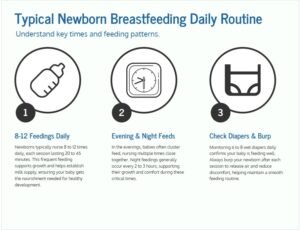
Newborns typically feed 8-12 times in 24 hours, often every 2-3 hours. Watch for hunger cues like rooting, sucking on hands, or fussiness, rather than sticking to a strict schedule.

Newborn breastfeeding daily routine

Image: Daily routine for newborn breastfeeding Baby

Starting The Breastfeeding Journey

Embarking on the breastfeeding journey involves understanding basic tips for beginners. Stay patient and relaxed; finding a comfortable position is key. Seeking support from healthcare professionals can enhance confidence and ease challenges.

Embarking on the breastfeeding journey can feel like entering uncharted territory. You might be filled with questions, uncertainties, and a range of emotions. This journey is unique and personal, with each mother experiencing it differently. As you begin, it’s crucial to arm yourself with practical tips that can ease the transition and make breastfeeding a rewarding experience for both you and your baby. Let’s dive into some essential advice to help you get started.

Finding The Right Position

The first step in successful breastfeeding is finding a comfortable position. Consider using a nursing pillow to support your baby. It can relieve strain from your arms and shoulders. Experiment with different positions such as the cradle hold, football hold, or side-lying position. Each has its benefits and might suit different situations or times of day. It’s about what feels right for you and your baby. A comfortable position can make all the difference in those early days. Remember, there’s no one-size-fits-all; finding your groove takes time.

Breastfeeding Tips for Beginners

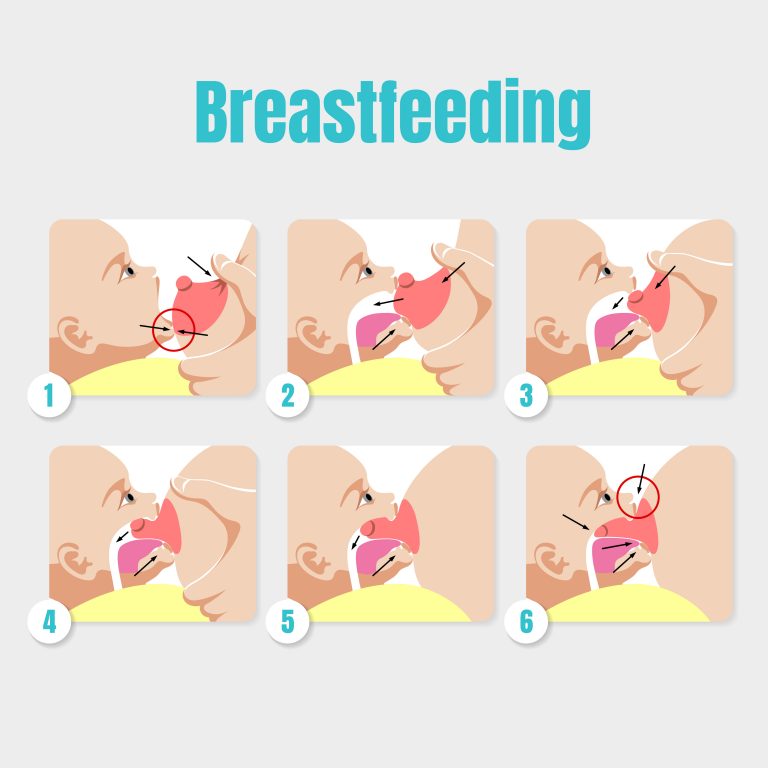
Image: Breastfeeding in the right position 

Ensuring Proper Latch

A proper latch is key to a successful breastfeeding experience. When your baby latches correctly, it reduces discomfort and ensures they get enough milk. Look for signs of a good latch: your baby’s mouth covers most of the areola, and you should see rhythmic sucking. If you feel pain, it might be a sign to adjust. Don’t hesitate to seek help if you’re unsure. Lactation consultants can offer guidance and reassurance. Knowing you have support can boost your confidence significantly. Breastfeeding is a journey filled with learning and adaptation. What challenges are you experiencing, and how are you planning to overcome them?

Overcoming Common Challenges

Breastfeeding can be a beautiful bonding experience, but it’s not always easy. Many new moms face challenges that can make them question their ability to continue. From sore nipples to low milk supply, these hurdles can be daunting. But don’t worry—you’re not alone, and some solutions can help you overcome these common obstacles. Let’s dive into some practical tips that can make breastfeeding smoother for you and your baby.

Managing Sore Nipples

Sore nipples are a common issue for many breastfeeding moms. You might feel like you’re doing something wrong, but it’s often just part of the adjustment period. One effective way to manage soreness is by ensuring your baby latches on correctly. A proper latch can significantly reduce nipple pain.

Try using nipple creams or ointments that are safe for breastfeeding. Many moms find relief with these products, as they help soothe and heal irritated skin. Don’t hesitate to reach out for support from a lactation consultant—they can offer personalized advice to improve your comfort.

Dealing With Low Milk Supply

Low milk supply can be stressful, especially when you want the best for your baby. It’s important to remember that many factors can impact your supply, including stress and diet. Start by increasing the frequency of your breastfeeding sessions. More nursing can stimulate your body to produce more milk.

Consider integrating lactation-friendly foods into your meals. Oats, almonds, and spinach are known to support milk production. Hydration is also crucial—drink plenty of water throughout the day. Have you tried herbal teas like fenugreek or blessed thistle? Many moms swear by them for boosting milk supply.

Breastfeeding challenges are not insurmountable. With patience and the right strategies, you can navigate these early hurdles and enjoy a fulfilling breastfeeding journey. What has been your biggest challenge so far? Share your thoughts or questions in the comments below—your experience might just help another mom!

Understanding Baby’s Feeding Cues

Recognizing your baby’s feeding cues is vital for successful breastfeeding. Watch for signs like rooting, hand movements, or mouth opening. Responding promptly helps establish a comforting feeding routine and strengthens bonding with your newborn.

Understanding your baby’s feeding cues is essential for successful breastfeeding. New parents often find these cues mysterious. Yet, they reveal much about a baby’s needs. Recognizing these signals can help ensure your baby is well-fed and content.

Recognizing Hunger Signals

Babies communicate hunger through various signals. One common sign is sucking motions. Babies often suck their hands or lips. Rooting is another signal. This involves turning their head towards a touch on their cheek. Crying is a late hunger signal. It’s best to feed before they cry. Watch for these signs to know when to breastfeed.

Identifying Fullness Indicators

Fullness indicators show your baby is satisfied. Babies often relax their hands when full. They may also turn away from the breast. Another indicator is falling asleep during feeding. Look for fewer sucking motions. These signs suggest your baby has had enough. Recognizing them helps prevent overfeeding. Understanding these cues builds confidence in new parents. It strengthens the bond with their baby.

Maintaining Healthy Nutrition

Breastfeeding offers many benefits for both mother and baby. But it requires extra care in nutrition. Eating well helps your body produce enough milk. It also supports your health. Focus on a balanced diet and proper hydration. These are key to successful breastfeeding. Let’s explore some essential tips.

Diet Tips For Nursing Mothers

A varied diet is important for nursing mothers. Include fruits, vegetables, whole grains, and lean proteins. These foods provide essential nutrients. Fatty fish like salmon give you omega-3s. This is good for brain health. Dairy products offer calcium, which strengthens bones. Try to eat smaller meals more often. This keeps your energy levels stable.

Avoid foods high in sugar and fat. They offer little nutritional value. Limit caffeine and alcohol. They can pass through breast milk. Always check food labels for additives. Some can affect milk production. If unsure, consult a nutritionist.

Staying Hydrated

Hydration is crucial during breastfeeding. Your body needs more fluids. Aim for at least eight glasses of water daily. Milk production requires extra water. Keep a water bottle handy. Sip throughout the day. Herbal teas can also be beneficial. Some herbs may even boost milk supply.

Signs of dehydration include dry mouth and fatigue. If you experience these, increase your fluid intake. Avoid sugary drinks. They can lead to energy crashes. Fresh fruit juices are a healthy alternative. Remember, proper hydration supports both you and your baby.

Balancing Breastfeeding And Work

Juggling breastfeeding and work can be challenging for new mothers. Start by setting a routine that fits your schedule. Find a comfortable, private space at work for pumping.

Balancing breastfeeding and work can be a challenging but rewarding journey. Many new moms face the dilemma of maintaining their breastfeeding routine while keeping up with work responsibilities. The good news is, with the right strategies, you can successfully manage both. Whether you’re working from home or commuting to an office, having a plan can make all the difference.

Pumping Strategies

Creating a pumping strategy is crucial for maintaining your milk supply. Start by identifying the best times to pump during your workday. This could be during breaks or lunch. Invest in a quality breast pump that is portable and easy to use. Many moms find that a double electric pump is efficient and saves time. Consider the logistics of where you’ll be pumping. Find a comfortable and private space. It’s important to relax and focus on your baby to maximize milk output.

Planning Feeding Schedules

Your feeding schedule will evolve based on your baby’s needs and your work hours. Begin by mapping out your daily routine to find natural feeding windows. Think about the nights and weekends as prime opportunities for direct breastfeeding. This keeps your bond strong and helps maintain your milk supply. Communicate with your caregiver about feeding times. Ensure they are aware of your baby’s needs and any preferences you have. What steps can you take today to better align your work life with your breastfeeding goals? By actively planning and adjusting, you can create a seamless experience that benefits both you and your little one.

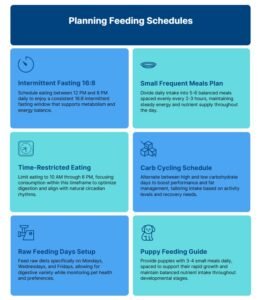
Planning Feeding Schedules

image: Planning Feeding Schedules

Seeking Support And Resources

As a new parent, breastfeeding can seem daunting, but seeking support and resources can make a world of difference. You don’t have to navigate this journey alone. There are numerous tools and communities ready to guide and assist you along the way.

Connecting With Lactation Consultants

Lactation consultants are a treasure trove of knowledge for breastfeeding parents. These professionals specialize in helping you get comfortable with breastfeeding techniques. If you’re facing challenges like latching issues or milk supply concerns, a lactation consultant can provide tailored advice to ease your worries.

I remember when I first started breastfeeding, I was overwhelmed by the information available online. Reaching out to a lactation consultant provided me with personalized tips that helped me and my baby find our rhythm. Have you considered how much more confident you could feel with expert guidance?

Many hospitals and clinics offer free or low-cost access to lactation consultants. Don’t hesitate to ask your healthcare provider for recommendations. A single session might be all you need to overcome initial hurdles.

Joining Support Groups

Support groups can be a lifeline for new breastfeeding parents. Being part of a community where you can share experiences and tips is invaluable. You might be surprised to find how many others are experiencing the same challenges as you.

Consider attending a local breastfeeding support group or joining an online community. These groups often provide a safe space to ask questions, share successes, and even vent your frustrations. Have you tried sharing your journey with others who understand what you’re going through?

When I joined a local group, I found comfort in knowing I wasn’t alone. Hearing stories from other moms gave me new perspectives and solutions. Look for groups that match your needs, whether they’re in-person or virtual, to ensure you have the support system you deserve.


Frequently Asked Questions for New Breastfeeding Moms

How Should A First-Time Mom Breastfeed?

Begin breastfeeding within the first hour after birth. Hold your baby skin-to-skin for better latching. Ensure a comfortable position, supporting your baby’s head. Listen for swallowing sounds as your baby feeds. Seek help from a lactation consultant if needed.

What Is The 5 5 5 Rule For Breastmilk?

The 5 5 5 rule for breastmilk ensures safe storage. Keep breastmilk at room temperature for 5 hours, refrigerate for 5 days, and freeze for 5 months. This helps maintain its nutritional quality and safety for your baby. Store in clean, sterilized containers to prevent contamination.

What Should You Not Do While Breastfeeding?

Avoid smoking, drinking alcohol, or consuming drugs during breastfeeding. Limit caffeine intake to enhance the baby’s sleep. Avoid high-mercury fish like shark and swordfish. Don’t skip meals; eat balanced, nutritious food. Consult a doctor before taking any medication or supplements.

What Is The 4 4 4 Rule For Breastfeeding?

The 4 4 4 rule for breastfeeding refers to storing breast milk: 4 hours at room temperature, 4 days in the refrigerator, and 4 months in the freezer. This guideline helps maintain milk safety and quality for feeding.

Conclusion

Breastfeeding can seem challenging at first, but it gets easier. Trust yourself. Your instincts and your baby will guide you. Remember, each mom and baby are unique. Find what works best for both of you. Seeking support from friends or professionals can help.

Stay patient and take one day at a time. Celebrate small victories and progress. Every drop counts. Cherish this special bonding moment with your baby. It’s worth it. With time, confidence will grow. You are doing great. Keep going and believe in yourself.

Your baby is lucky to have you.


How to Stop Baby Snack Feeding Breastfeeding

How to Stop Baby Snack Feeding Breastfeeding: A Gentle Guide for Parents

Hey there, mama! If you’re reading this, you’re probably wondering how to stop your baby from snack feeding while breastfeeding—and I totally get it. Those quick, frequent nursing sessions can feel like a never-ending cycle, leaving you exhausted, overwhelmed, and maybe even a little frustrated. As a mom of three and the founder of BestBabyCart.com, I’ve been there, and I’m here to help you through this transition with love, patience, and expert tips.

Snack feeding—where your baby nurses for just a few minutes at a time, often for comfort rather than hunger—can disrupt your routine and make breastfeeding feel like a full-time job. But don’t worry! With the right strategies, you can gently guide your little one toward longer, more satisfying feeds while still meeting their emotional needs. In this guide, we’ll walk through why babies snack feed, how to recognize when it’s time to stop, and practical steps to make the shift, plus some emotional support for you, because you’re doing an amazing job.

Why Does My Baby Snack Feed While Breastfeeding?

Before we dive into how to stop snack feeding, let’s talk about why your baby might be doing it in the first place. Understanding the reasons can help you approach this transition with empathy and confidence.

Comfort and Soothing

Breastfeeding isn’t just about food—it’s also about comfort. Your baby might snack feed because they find nursing soothing, especially during stressful moments like teething, growth spurts, or when they’re feeling tired or overwhelmed. Those quick sessions are like a warm hug from you, and that’s a beautiful thing!

Hunger or Growth Spurts

Sometimes, snack feeding happens because your baby is genuinely hungry more often, especially during growth spurts (common around 3 weeks, 6 weeks, 3 months, and 6 months). Their tiny tummy might need frequent top-ups, but if this becomes a habit, it can lead to a cycle of short, unsatisfying feeds.

Distractions or Overstimulation

As babies get older (around 4-6 months), they become more curious about the world. If your baby is easily distracted by noises, lights, or movement, they might pop on and off the breast, treating nursing like a quick snack rather than a full meal.

Supply and Demand Imbalance

If your milk supply is low or your baby isn’t latching properly, they might not get enough milk during a feed, leading to frequent nursing. This can also happen if your baby is used to snacking and hasn’t learned to take fuller feeds.

why babies snack feed

When Is It Time to Stop Snack Feeding?

Snack feeding isn’t always a problem, especially in the early weeks when your baby’s stomach is tiny, and they must nurse often. But as they grow, you might notice signs that it’s time to encourage longer, more structured feeds.

  • Your baby is over 6 months and still nursing every hour or two for just a few minutes.
  • You’re feeling drained, overwhelmed, or resentful about the constant nursing.
  • Your baby isn’t gaining weight as expected, or they seem fussy and unsatisfied after feeds.
  • You’re ready to introduce solids or a more predictable feeding schedule.

If any of these sound familiar, it might be time to guide your baby away from snack feeding gently. Don’t worry—this doesn’t mean you’re taking away their comfort. It’s about finding a balance that works for both of you.

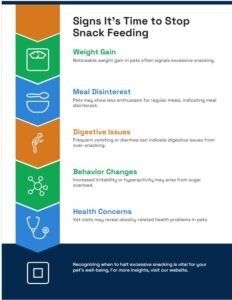
Signs It’s Time to Stop Snack Feeding -

Image: Signs It’s time to stop Snack feeding!

How to Stop Baby Snack Feeding Breastfeeding: 7 Gentle Steps

Now that we’ve covered the why and when, let’s get to the how. These steps are designed to be gentle and gradual, ensuring your baby feels loved and secure while you transition to a more sustainable breastfeeding routine.

Step 1: Observe and Track Feeding Patterns

Start by keeping a simple log of your baby’s feeding times for a few days. Note when they nurse, how long each session lasts, and whether they seem hungry or just seeking comfort. This will help you identify patterns, like if they always snack feed before naps or when they’re bored. At BestBabyCart.com, we recommend using a feeding journal or app to make this easier. It’s a game-changer for spotting trends!

Step 2: Encourage Full Feeds with a Calm Environment

To break the snack feeding habit, encourage your baby to take fuller feeds. Create a calm, distraction-free environment during nursing—dim the lights, turn off the TV, and find a quiet spot. A relaxed setting helps your baby focus on eating rather than popping on and off. If they stop after a few minutes, gently encourage them to keep going by stroking their cheek or compressing your breast to stimulate milk flow.

Step 3: Offer Comfort in Other Ways

If your baby is snack feeding for comfort, find alternative ways to soothe them. Cuddles, a soft lullaby, or a pacifier can work wonders. I remember with my second child, a cozy swaddle and a white noise machine became our go-to for non-nursing comfort. Speaking of which, you can find highly rated white noise machines on Amazon—they’re a lifesaver for soothing without nursing!

Checklist: Alternative Comfort Methods

Use this checklist to try new soothing methods! Need a white noise machine? Shop our favorites on Amazon.

Step 4: Introduce a Feeding Schedule

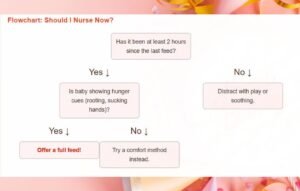
Gradually space out nursing sessions to create a more predictable schedule. For example, if your baby nurses every hour, try stretching it to every 1.5 hours, then 2 hours. Offer a full feed at each session, and if they ask to nurse sooner, distract them with play, a song, or a walk in the stroller. This takes patience, but over time, your baby will adjust to longer intervals between feeds.

Should I Nurse Now

Step 5: Watch for Hunger Cues vs. Comfort Cues

Learn to distinguish between hunger and comfort cues. Hunger cues include rooting, sucking on their hands, or fussing with a specific cry. Comfort cues might look like general fussiness, wanting to be held, or reaching for you without clear hunger signs. If it’s comfort they’re after, try other soothing methods before offering the breast.

Step 6: Introduce Solids (If Age-Appropriate)

If your baby is 6 months or older, introducing solids can help reduce snack feeding. A small meal of mashed avocado or banana can make them feel fuller, reducing the need for frequent nursing. Just make sure to follow Pediatrician guidelines—start with one meal a day and gradually increase as they get used to solids. Need baby feeding gear? Check out our top picks for spoons and bibs on Amazon!

Step 7: Be Patient and Consistent

Change won’t happen overnight, and that’s okay. Be patient with your baby—and yourself. Consistency is key, but so is flexibility. If your baby is having a tough day (like during a growth spurt or teething), it’s okay to offer extra nursing sessions for comfort. You’re not failing; you’re meeting their needs with love.

Emotional Support for You During This Transition

Let’s take a moment to talk about you, mama. Stopping snack feeding can bring up a lot of emotions—guilt, sadness, or even relief. It’s normal to feel a mix of all three. Breastfeeding is such a special bond, and any change can feel like a loss, even if it’s the right step for your family.

Let Go of the Guilt

You might worry that reducing snack feeding means you’re taking away something your baby needs. But here’s the truth: you’re not. You’re teaching them new ways to feel secure while ensuring breastfeeding remains a positive experience for both of you. You’re doing an incredible job, and your baby knows they’re loved.

Find Support

Talk to other moms who’ve been through this—it helps to know you’re not alone. Join a local parenting group or connect with our community at BestBabyCart.com. Sharing your journey can make all the difference, and you might pick up some great tips along the way!

Celebrate the Wins

Every time your baby takes a full feed or goes a little longer between nursing sessions, celebrate it! Maybe treat yourself to a cup of coffee or a new book. You’re working hard, and you deserve to acknowledge your progress. This journey is as much about you as it is about your baby.

Common Challenges and How to Overcome Them

Transitioning away from snack feeding isn’t always smooth sailing. Here are some common challenges and how to handle them with grace.

Fussiness and Resistance

Your baby might fuss or cry when you delay a nursing session. This can be hard to hear, but stay calm. Offer a distraction like a toy or a short walk, and reassure them with your voice and touch. They’ll adjust with time.

Engorgement or Milk Supply Concerns

If your baby starts taking fewer but longer feeds, you might experience engorgement as your supply adjusts. Use a warm compress or hand express a little milk to relieve discomfort. Your supply will balance out within a week or two.

Teething or Growth Spurts

During teething or growth spurts, your baby might revert to snack feeding for comfort. That’s okay! Be flexible during these phases, and once they pass, gently guide them back to your new routine.

Conclusion: You’ve Got This, Mama!

Stopping snack feeding while breastfeeding is a journey, but with patience, consistency, and a whole lot of love, you and your baby can find a new rhythm that works for both of you. By encouraging full feeds, offering alternative comfort, and introducing a feeding schedule, you’ll create a breastfeeding experience that’s sustainable and fulfilling. And remember—you’re not alone. At BestBabyCart.com, we’re here to support you with expert advice and the best baby products. Ready to make nursing easier? Shop top breastfeeding essentials like nursing pillows and milk storage bags on Amazon through our site!

FAQ: Your Snack Feeding Questions Answered

Is snack feeding breastfeeding bad for my baby?

No, snack feeding isn’t inherently bad, especially in the early months when babies need frequent feeds. But as they grow, it can lead to unsatisfying feeds and exhaustion for you. Transitioning to fuller feeds can help create a better routine.

How long should a breastfeeding session last?

It depends on your baby, but most full feeds last 10-20 minutes per side. If your baby is nursing for less than 5 minutes and wants to feed again soon, they might be snack feeding.

Can I stop snack feeding without weaning completely?

Absolutely! Stopping snack feeding encourages longer, more satisfying feeds without ending breastfeeding. You can continue nursing while creating a more structured schedule.

What if my baby cries when I delay a feed?

Crying can be tough to hear, but try to stay calm. Offer comfort through cuddles, a song, or a pacifier. If they’re truly hungry, their cues will be more persistent—trust your instincts!

Will stopping snack feeding affect my milk supply?

Your supply might adjust as your baby takes fewer but longer feeds. If you experience engorgement, express a little milk for relief. Your supply will balance out within a few weeks.