
Strollers are one of the most used pieces of baby gear for most families: many parents use the same model for multiple children, pass them down to friends, or buy secondhand to save money. But unlike car seats, most strollers don’t have a mandatory printed expiration date, leaving many parents unsure if their trusty old stroller is still safe to use. In 2026, the U.S. Consumer Product Safety Commission (CPSC) estimates that stroller-related injuries send more than 14,000 children to emergency rooms each year, with nearly 30% of incidents linked to structural failures, faulty brakes, or broken restraint systems in expired or poorly maintained units.
This guide will walk you through exactly how to tell if your stroller is expired, key risks of using an unsafe model, how to check for recalls, and simple maintenance steps to extend its safe service life. By the end, you’ll have a clear, actionable checklist to keep your child safe on every walk, errand, and outing. For more on this, see our guide on baby stroller sitting tips expert guidelines.
 A well-maintained, non-expired stroller is safe for daily walks and outings with young children
Credit: blog.cincinnatichildrens.org
A well-maintained, non-expired stroller is safe for daily walks and outings with young children
Credit: blog.cincinnatichildrens.org
What Does "Stroller Expiration" Actually Mean?
Unlike infant car seats, which have a mandatory 6-year expiration date set by manufacturers due to material degradation and updated safety standards, most strollers do not have a legally required printed expiration date. Instead, stroller expiration is defined by three core factors: the manufacturer’s recommended service life, visible wear and tear, and alignment with current safety standards.
Most standard strollers have a recommended safe service life of 5 to 7 years with regular use, while heavy-duty jogging strollers, double strollers, and infant car seat combos typically have a shorter service life of 3 to 5 years due to higher stress on components. Even if a stroller is stored full-time and never used, plastic parts degrade over time from ambient temperature swings and UV exposure through windows, so age alone is a valid reason to replace a model past its service life. If you’re budgeting for recurring baby gear costs as your child grows, our guide to budget for recurring baby gear can help you plan for stroller replacements alongside other nursery expenses. For more on this, see our guide on top stroller hooks for busy parents in expert.
7 Clear Signs Your Stroller Is Expired or Unsafe
Stroller expiration is rarely a single obvious sign—it’s usually a combination of age, wear, and outdated features. Check for all of the following red flags before using any stroller, especially if it’s secondhand or has been in storage for more than a year:
1. It’s past the manufacturer’s recommended service life
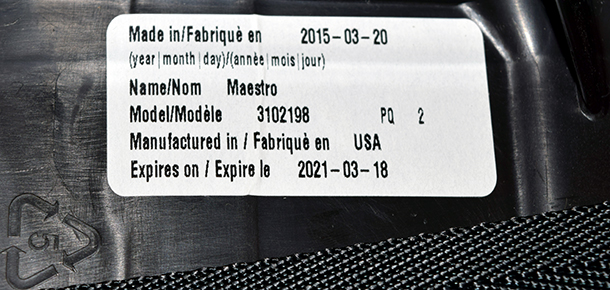
Check the stroller’s frame, under the seat, or the original manual for a printed service life date, which most brands include even if it’s not a mandatory expiration date. If you can’t find the date, contact the manufacturer’s customer service team with your model and serial number (usually printed on a label on the hinge or frame) and they can confirm the recommended service life for your specific unit. In practice, even if a stroller looks brand new, plastic components become brittle after 5 years of use and exposure, making them prone to sudden collapse under a child’s weight.
2. Visible structural damage or wear
Inspect the entire stroller closely for these common wear points:
- Cracks or splits in plastic frame components, especially at folding hinges and joint points
- Rust on metal parts, even small surface spots that can weaken load-bearing components
- Bent, wobbly, or loose wheels and axles
- Loose screws or bolts that will not tighten
- Frayed, torn, or heavily stained fabric (seat, canopy, storage basket)
- Frayed, stretched, or broken harness straps and stitching A common mistake parents make is ignoring small plastic cracks, which can spread quickly under the repeated stress of loading and unloading a child. For more on this, see our guide on stroller safety checklist.
3. Missing or illegible safety labels
Safety labels include critical information like weight limits, harness adjustment instructions, and certification marks (JPMA, ASTM). If labels are faded, torn off, or missing, you cannot confirm the stroller meets current safety standards, and you may not know the correct weight limit for your child—using a stroller beyond its weight limit is a leading cause of tip-overs and collapses. If you’re tracking your child’s growth to stay within stroller weight limits, our guide to average toddler height can help you anticipate when you’ll need to upgrade to a larger model.
4. Faulty safety features
Test all core safety features before each use to confirm they work properly:
- Brakes: Push the stroller forward and back; brakes should lock instantly with no slippage, even on a slight incline.
- Harness: Pull firmly on each strap and buckle; the harness should not release, stretch, or have broken stitching. A working 5-point harness is non-negotiable for infants and toddlers.
- Folding mechanism: Fold and unfold the stroller fully to confirm it locks into place securely, with no give or risk of pinching fingers.
- Canopy and sun shield: Test to confirm they stay in place and do not collapse unexpectedly in wind.
5. Outdated safety certifications
Stroller safety standards are updated regularly by the CPSC to address common injury risks. For example, 2024 updates added new requirements for restraint system strength and tip-over resistance for all-terrain strollers, which many pre-2020 models do not meet. Look for current certification marks like JPMA or ASTM F836 on the stroller label or packaging; these indicate the model has been independently tested to meet or exceed all current U.S. safety requirements. When inspecting stroller fabric for fading or damage, it’s also worth confirming that any printed patterns use non-toxic dyes; our guide to verify safe material treatments can help you confirm safe fabric choices for gear and nursery products. For more on this, see our guide on baby monitor radiation explained safety tips for parents.
6. No available replacement parts
Many manufacturers sell replacement parts (harness straps, buckles, wheels, axles) for 7-10 years after a model is discontinued, so minor wear and tear does not require replacing the entire stroller. If you cannot find replacement parts for your model from the manufacturer or authorized retailers, it is a clear sign the stroller is expired and no longer supported for safe use. This is especially common for older budget or discontinued brand models.
7. It is secondhand with no verifiable history
If you purchased a used stroller, you have no way to confirm its age, maintenance history, recall status, or if it was ever involved in a crash. Even if a secondhand stroller looks new, hidden structural damage is common. Secondhand strollers are safe to use only if you can verify the original purchase date, confirm it has no outstanding recalls, complete a full safety inspection, and confirm replacement parts are still available. Avoid buying used strollers from unknown sellers with no documentation. For more on this, see our guide on stroller safety checklist for new parents.
Functional, locked brakes are a non-negotiable safety feature for any non-expired stroller
Credit: consumercare.coscokids.com
Key Risks of Using an Expired Stroller
Using an expired or damaged stroller is not just a minor inconvenience—it can lead to severe, life-altering injuries for young children. The CPSC reports that stroller-related injuries include head trauma from tip-overs and collapses, finger amputations from faulty folding mechanisms, fractures from broken frames, and strangulation from broken or unsecured harnesses. The three most common risks of using an expired stroller include:
Compromised structural integrity
Plastic components degrade at a molecular level over time from UV exposure, temperature swings, and repeated stress from loading and unloading a child. Even if no cracks are visible, plastic can become brittle and shatter unexpectedly under weight. Metal frames can develop internal rust that weakens load-bearing joints, even if the surface looks clean. A sudden stroller collapse can cause severe head injuries, spinal damage, or death in infants and toddlers who cannot protect themselves during a fall.
Outdated safety features
Older strollers often lack critical safety features that are now standard in new models. Pre-2010 models frequently only have 3-point harnesses, which allow a child to slip out and fall, while modern strollers require 5-point harnesses that secure the shoulders, hips, and crotch. Many older models also have weak brakes that fail on inclines, no tip-over guards to prevent backward tipping when a child leans forward, and unstable frames that tip easily on uneven terrain. For parents navigating early nap schedules, our tips for low-stress baby outings can help you plan walks that minimize risk and avoid rushing while using a stroller.
Unaddressed recall defects
Recalls are issued when a stroller has a defect that poses a risk of injury or death, but many parents never check if their used or older stroller is part of a recall. Unaddressed recall defects can include broken buckles that release unexpectedly, folding hinges that pinch or trap fingers, and frames that collapse under normal use. The steps below will help you verify your stroller’s recall status quickly.
How to Check for Stroller Recalls and Verify Safety Status
Even if your stroller appears to be in good condition and is within its service life, it may be subject to a recall you are unaware of, especially if it is secondhand. Follow these steps to confirm your stroller’s safety status:
Check official government recall databases
The CPSC maintains a free, searchable official recall database for all consumer products, including strollers. You can search by brand, model number, or serial number to see if your unit is part of a current or past recall. You can also sign up for free email alerts for new stroller recalls, so you are notified immediately if a model you own is flagged for a defect.
Contact the manufacturer directly
If you cannot find recall information online, call or email the stroller manufacturer’s customer service team with your model and serial number. They can confirm recall status, even for models that are past their warranty period, and walk you through free repair, replacement, or refund options if your unit is part of a recall. Reputable brands will also notify registered owners directly if a recall is issued for their model.
Check for unreported safety defects
Some stroller defects are never formally recalled, so it is worth searching for your model number online to see if other parents have reported issues with brake failure, collapsing hinges, or broken buckles. Consumer review sites and parenting forums can be a useful supplement to official recall data to identify common problems with specific models.
Essential Stroller Maintenance to Extend Its Safe Service Life
Regular maintenance can extend your stroller’s safe service life by 1-2 years, and help you spot small issues before they become major safety hazards. Follow this simple monthly checklist to keep your stroller in top condition:
- Test brakes by pushing the stroller forward and back to confirm they lock instantly with no slippage
- Inspect all screws and bolts for tightness; tighten any loose components with a standard screwdriver
- Check harness straps for fraying, stretching, or broken stitching, and pull each buckle to confirm it locks securely
- Inspect wheels for wear, debris, or loose axles, and spin each wheel to confirm it moves smoothly without wobbling
- Test the folding mechanism to confirm it locks into place securely, with no give or pinching risk
In addition to monthly inspections, clean the stroller regularly with mild soap and water, and fully air-dry fabric and metal components before storage to prevent mold and rust. Avoid harsh chemicals on plastic parts, as they can degrade the material over time, and store the stroller in a cool, dry place out of direct sunlight when not in use. Replace any worn or damaged parts (harness straps, buckles, wheels) immediately with manufacturer-approved replacements; if replacement parts are no longer available for your model, it is time to replace the stroller entirely.
How to Choose a Safe, Non-Expired Stroller
If your current stroller is expired or damaged, choosing a new model with current safety features and long-term support will keep your child safe for years to come. Follow these guidelines to select a stroller that meets modern safety standards:
Verify current safety certifications
All strollers sold in the U.S. must meet CPSC mandatory safety standards, but third-party certifications provide extra validation that a model has been independently tested for quality and safety. Look for the Juvenile Products Manufacturers Association certification or ASTM F836 mark on the product label or packaging, which confirm the stroller meets or exceeds all current CPSC requirements for structural integrity, restraint systems, and brake performance.
Prioritize brands with long-term support
Reputable stroller brands like Uppababy, Baby Jogger, and Bugaboo offer replacement parts for 7-10 years after a model is discontinued, and send direct recall notifications to registered owners. Avoid no-name or extremely budget strollers from brands with no customer support or replacement parts availability, as they are more likely to have hidden safety defects and no way to repair wear and tear over time. If you own a Uppababy model, our guide to folding it correctly can help you spot weak points in the mechanism during regular inspections.
Match the stroller to your use case
If you plan to use the stroller for jogging, hiking, or travel on uneven terrain, opt for an all-terrain model with a reinforced frame, locking brakes, and a 5-point harness, which will hold up to more stress and have a longer safe service life than a standard umbrella stroller. If you only need a stroller for quick errands, a lightweight umbrella stroller may be sufficient, but still perform regular safety inspections to catch wear and tear early.
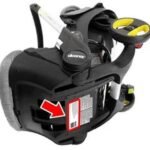
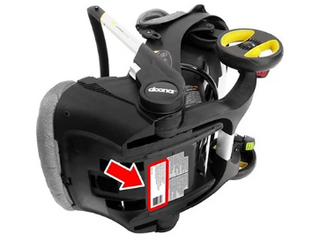 Infant car seat stroller combos often have a shorter recommended service life due to the added weight of the car seat component
Credit: doona.shop
Infant car seat stroller combos often have a shorter recommended service life due to the added weight of the car seat component
Credit: doona.shop
Frequently Asked Questions
How long do strollers typically last?
Most standard strollers have a recommended safe service life of 5 to 7 years with regular use, while heavy-duty jogging strollers, double strollers, and infant car seat combos typically last 3 to 5 years. This timeline accounts for normal wear and tear, UV degradation of plastic parts, and updates to safety standards. If you store your stroller in a cool, dry place out of direct sunlight and perform regular maintenance, you may be able to extend its safe service life by 1-2 years.
What are clear signs a stroller is expired?
Beyond a past service life date, clear signs of an expired stroller include cracked or brittle plastic components, frayed or stretched harness straps, broken or non-locking buckles, non-functional brakes, loose folding hinges, rust on metal parts, missing or illegible safety labels, and discontinued replacement parts for your model. If you notice any of these issues, stop using the stroller immediately and replace it or the damaged part.
Can I use a stroller past its recommended service life if it looks fine?
No. Even if a stroller appears to be in good condition, plastic components degrade at a molecular level over time from UV exposure, temperature swings, and repeated stress, making them brittle and prone to sudden failure under the weight of a child. There is no reliable at-home test for internal plastic degradation, so it is never safe to use a stroller past its manufacturer-recommended service life.
Are secondhand strollers safe to use?
Secondhand strollers can be safe if you can verify the original purchase date, confirm it has no outstanding recalls, complete a full 5-point safety inspection, and confirm replacement parts are still available for the model. Avoid buying used strollers from unknown sellers, with no documentation, or with visible damage, as their maintenance history is unknown and hidden defects are common.
How do I check if my stroller is part of a recall?
Start by searching the CPSC’s free, searchable recall database by brand, model number, or serial number. You can also contact the manufacturer directly with your model and serial number for confirmation, and sign up for free CPSC email alerts to be notified of new stroller recalls as they are issued.
What should I do if my stroller has a minor broken part?
If the broken part is a replaceable component (harness strap, buckle, wheel, axle), purchase a manufacturer-approved replacement and install it immediately. If replacement parts are no longer available for your model, or the damage is to a load-bearing frame component, replace the entire stroller to avoid safety risks.
Final Safety Takeaway
Stroller expiration is not just about a printed date—it’s a combination of age, wear, and alignment with current safety standards. Performing monthly safety inspections, checking for recalls regularly, and replacing worn parts immediately will help you avoid unnecessary risk and keep your child safe on every outing. A stroller is a critical safety device, not just a convenience item, so cutting corners on maintenance or using an expired model puts your child at serious risk of injury.
For more guidance on choosing safe, long-lasting baby gear, browse our full library of parenting safety tips to make informed choices for your family.

Emma Grace is a devoted mother and passionate content writer at BestBabyCart.com. With firsthand parenting experience and a love for research, she creates helpful guides and honest reviews to support parents in choosing the best for their babies. Her goal is to make parenthood easier, one article at a time.
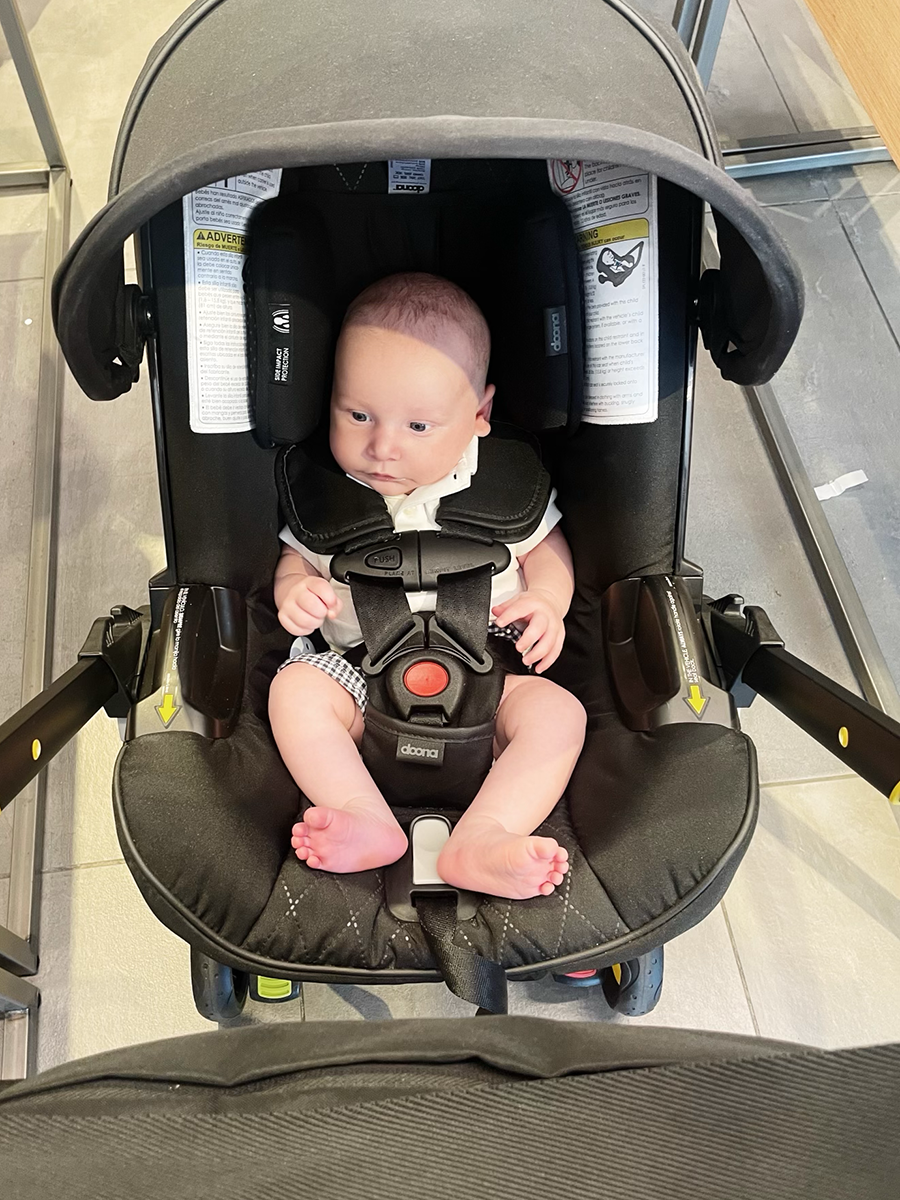 This all-in-one car seat stroller combo eliminates the need for separate infant car seat and stroller adapters for families who travel frequently by car.
Credit:
This all-in-one car seat stroller combo eliminates the need for separate infant car seat and stroller adapters for families who travel frequently by car.
Credit:  Side-by-side double strollers are ideal for twins or siblings close in age, offering equal access and visibility for both children.
Credit: themomedit.com
Side-by-side double strollers are ideal for twins or siblings close in age, offering equal access and visibility for both children.
Credit: themomedit.com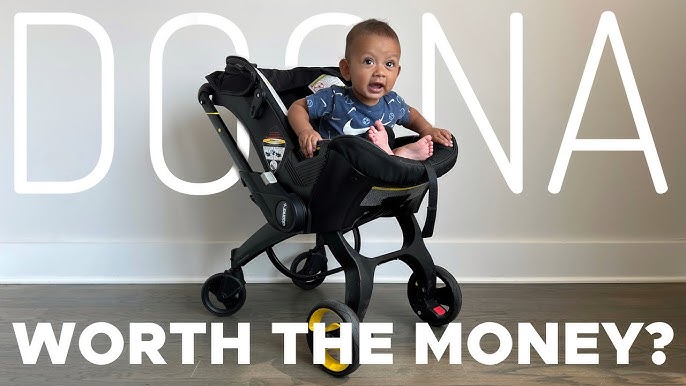 Jogging strollers feature lockable front wheels and air-filled tires for a smooth, stable ride on rough terrain during active outings.
Credit:
Jogging strollers feature lockable front wheels and air-filled tires for a smooth, stable ride on rough terrain during active outings.
Credit: 
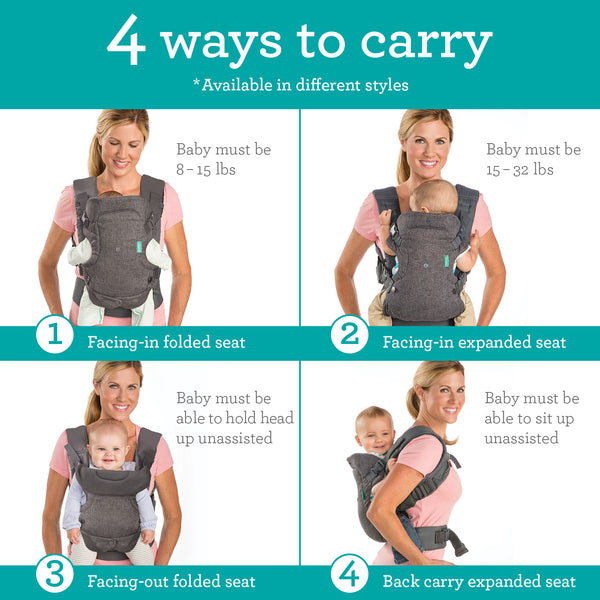 Convertible carriers like this one adapt to multiple carry positions as your baby grows, making them a cost-effective long-term option.
Credit: infantino.com
Convertible carriers like this one adapt to multiple carry positions as your baby grows, making them a cost-effective long-term option.
Credit: infantino.com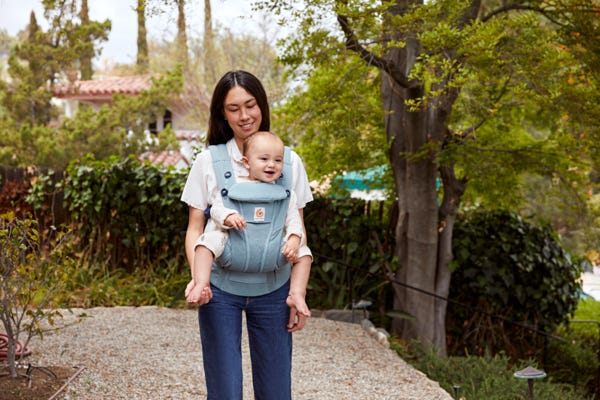 This carrier model is certified by the International Hip Dysplasia Institute for supporting healthy infant hip development.
Credit: ergobaby.com
This carrier model is certified by the International Hip Dysplasia Institute for supporting healthy infant hip development.
Credit: ergobaby.com




 Our top overall pick for urban joggers and everyday active parents
The BabyGap Classic Trek in grey is the best all-around option for parents who want a lightweight, easy-to-use jogger for city runs, park walks, and quick errands. Weighing just 18.5lbs, it’s 3lbs lighter than average mid-tier joggers, making it easy to lift in and out of car trunks or up apartment stairs. As of 2026, all BabyGap Trek models use lightweight aluminum frames and 100% recycled, stain-resistant polyester fabric that wipes clean with a damp cloth after muddy runs or snack spills.
The front wheel locks securely with one hand, the 5-point harness is adjustable for growing kids, and the UPF 50+ extendable canopy blocks sun and light rain. The full recline works for infants 6+ months with good head control, and it’s compatible with BabyGap’s own line of infant car seats for newborns. The removable parent organizer includes insulated cup holders and a zippered phone pocket, and the under-seat storage basket fits a 12lb diaper bag plus a small blanket. For more on this, see our guide on
Our top overall pick for urban joggers and everyday active parents
The BabyGap Classic Trek in grey is the best all-around option for parents who want a lightweight, easy-to-use jogger for city runs, park walks, and quick errands. Weighing just 18.5lbs, it’s 3lbs lighter than average mid-tier joggers, making it easy to lift in and out of car trunks or up apartment stairs. As of 2026, all BabyGap Trek models use lightweight aluminum frames and 100% recycled, stain-resistant polyester fabric that wipes clean with a damp cloth after muddy runs or snack spills.
The front wheel locks securely with one hand, the 5-point harness is adjustable for growing kids, and the UPF 50+ extendable canopy blocks sun and light rain. The full recline works for infants 6+ months with good head control, and it’s compatible with BabyGap’s own line of infant car seats for newborns. The removable parent organizer includes insulated cup holders and a zippered phone pocket, and the under-seat storage basket fits a 12lb diaper bag plus a small blanket. For more on this, see our guide on  Best mid-tier value pick with smooth suspension for light trails
The Delta Apollo is a fantastic mid-tier option for parents who want more suspension than the BabyGap Classic without paying premium BOB prices. Weighing 22lbs, it has a shock-absorbing frame that smooths out cracked sidewalks, packed gravel, and light trail terrain far better than basic budget joggers. The large UPF 50+ canopy extends fully to block sun and wind, and the seat reclines fully for napping toddlers. For more on this, see our guide on
Best mid-tier value pick with smooth suspension for light trails
The Delta Apollo is a fantastic mid-tier option for parents who want more suspension than the BabyGap Classic without paying premium BOB prices. Weighing 22lbs, it has a shock-absorbing frame that smooths out cracked sidewalks, packed gravel, and light trail terrain far better than basic budget joggers. The large UPF 50+ canopy extends fully to block sun and wind, and the seat reclines fully for napping toddlers. For more on this, see our guide on  Style-focused option with the same performance as our top grey pick
The pink striped BabyGap Classic Trek has identical specs to our top grey pick, with a fun, vibrant design that hides mud, snack smudges, and baby wipe marks far better than solid-colored strollers. It’s available exclusively at BabyGap retail stores and the official BabyGap website as of 2026, with no third-party markup. The fabric is made from 100% recycled, stain-resistant polyester, a top pick for parents seeking non-toxic baby gear picks.
It has the same 18.5lb lightweight frame, lockable front wheel, full recline, and parent organizer as the grey model, making it just as functional for city jogs and park walks. The only downside is the same limited storage and lack of adjustable suspension as the grey variant.
Style-focused option with the same performance as our top grey pick
The pink striped BabyGap Classic Trek has identical specs to our top grey pick, with a fun, vibrant design that hides mud, snack smudges, and baby wipe marks far better than solid-colored strollers. It’s available exclusively at BabyGap retail stores and the official BabyGap website as of 2026, with no third-party markup. The fabric is made from 100% recycled, stain-resistant polyester, a top pick for parents seeking non-toxic baby gear picks.
It has the same 18.5lb lightweight frame, lockable front wheel, full recline, and parent organizer as the grey model, making it just as functional for city jogs and park walks. The only downside is the same limited storage and lack of adjustable suspension as the grey variant.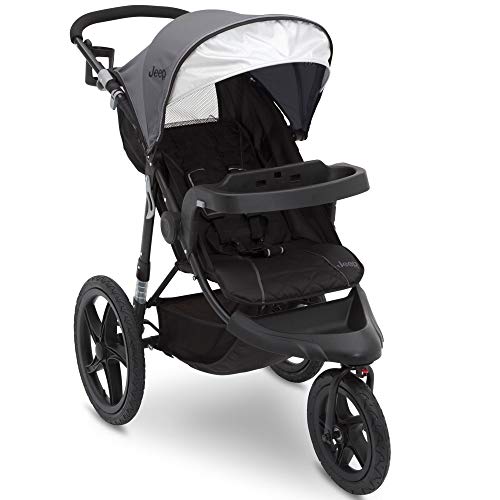 Budget-friendly workhorse for casual runners and park walks
The Jeep Classic is the most affordable reliable jogger on our list, priced at $179 as of 2026. Weighing 24lbs, it has a sturdy steel frame, all-terrain air-filled tires, and basic shock absorption that smooths out light trails and cracked pavement well for casual use. The hand brake with wrist strap gives extra control on hills, and the large under-seat storage basket fits a full diaper bag plus a picnic blanket for park outings.
The seat is roomy and comfortable for toddlers up to 40lbs, and the canopy provides decent sun coverage for sunny runs. It’s not as lightweight or maneuverable as premium options, but it’s a durable, no-fuss pick for parents who only jog occasionally on paved paths or light trails.
Budget-friendly workhorse for casual runners and park walks
The Jeep Classic is the most affordable reliable jogger on our list, priced at $179 as of 2026. Weighing 24lbs, it has a sturdy steel frame, all-terrain air-filled tires, and basic shock absorption that smooths out light trails and cracked pavement well for casual use. The hand brake with wrist strap gives extra control on hills, and the large under-seat storage basket fits a full diaper bag plus a picnic blanket for park outings.
The seat is roomy and comfortable for toddlers up to 40lbs, and the canopy provides decent sun coverage for sunny runs. It’s not as lightweight or maneuverable as premium options, but it’s a durable, no-fuss pick for parents who only jog occasionally on paved paths or light trails. Premium pick for serious trail runners and long-distance training
The BOB Revolution Flex 3.0 is the gold standard for serious active parents who run regularly on rough terrain. Weighing 25.5lbs, it has a lightweight aluminum frame and 3-setting adjustable suspension that absorbs shock from rocky single-track, roots, and gravel far better than any other stroller on our list. The lockable front swivel wheel gives stable tracking for high-speed runs, and the 75lb weight capacity means it will last through your child’s entire toddlerhood.
It includes a large parent console, under-seat storage that fits a full diaper bag plus running gear, and a hand brake with wrist strap for safe hill descents. It’s car seat compatible with most major infant seats, and the UPF 50+ canopy has a peek-a-boo window to check on your child without stopping. The only downsides are the $499 price point and bulky folded size, which only fits in full-size SUVs and trunks without removing the wheels.
Premium pick for serious trail runners and long-distance training
The BOB Revolution Flex 3.0 is the gold standard for serious active parents who run regularly on rough terrain. Weighing 25.5lbs, it has a lightweight aluminum frame and 3-setting adjustable suspension that absorbs shock from rocky single-track, roots, and gravel far better than any other stroller on our list. The lockable front swivel wheel gives stable tracking for high-speed runs, and the 75lb weight capacity means it will last through your child’s entire toddlerhood.
It includes a large parent console, under-seat storage that fits a full diaper bag plus running gear, and a hand brake with wrist strap for safe hill descents. It’s car seat compatible with most major infant seats, and the UPF 50+ canopy has a peek-a-boo window to check on your child without stopping. The only downsides are the $499 price point and bulky folded size, which only fits in full-size SUVs and trunks without removing the wheels.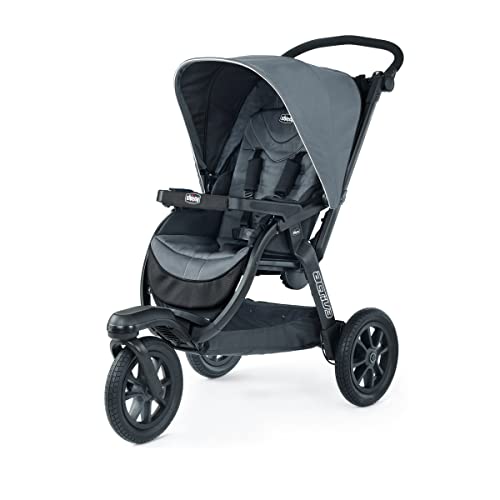 Best travel-friendly jogger with car seat compatibility
The Chicco Activ3 is the best pick for families who travel often and need a jogger that doubles as an everyday stroller. Weighing 23lbs, it has a one-hand compact fold that meets most airline carry-on size limits for strollers as of 2026, so you can avoid checking it at the gate. It has adjustable suspension for light trails and paved paths, a lockable front wheel for jogging, and is compatible with all Chicco infant car seats and most major brand infant carriers.
The seat is roomy and comfortable for toddlers up to 40lbs, and the under-seat storage fits a small diaper bag for day trips. Its responsive steering makes it easy to navigate crowded airports and city streets. The only downsides are plastic components that feel less premium than metal-framed options, and a $349 price point that’s higher than basic budget joggers.
Best travel-friendly jogger with car seat compatibility
The Chicco Activ3 is the best pick for families who travel often and need a jogger that doubles as an everyday stroller. Weighing 23lbs, it has a one-hand compact fold that meets most airline carry-on size limits for strollers as of 2026, so you can avoid checking it at the gate. It has adjustable suspension for light trails and paved paths, a lockable front wheel for jogging, and is compatible with all Chicco infant car seats and most major brand infant carriers.
The seat is roomy and comfortable for toddlers up to 40lbs, and the under-seat storage fits a small diaper bag for day trips. Its responsive steering makes it easy to navigate crowded airports and city streets. The only downsides are plastic components that feel less premium than metal-framed options, and a $349 price point that’s higher than basic budget joggers.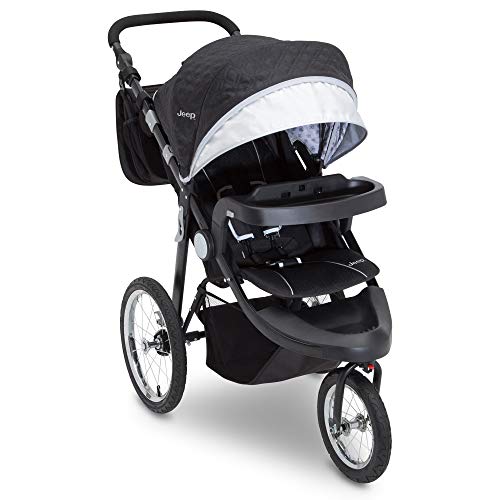 Rugged pick for weekend outdoor adventures and family outings
The Jeep Cross-Country Sport Plus is built for families who prioritize weekend park trips, beach walks, and camping adventures over daily training runs. Weighing 26lbs, it has rugged all-terrain tires and reinforced suspension that handles sand, packed dirt, and gravel with ease. The large canopy has a mesh ventilation window for hot days, and the under-seat storage fits a full diaper bag plus a small cooler for day trips.
The seat is spacious and comfortable for toddlers up to 50lbs, and the hand brake with wrist strap gives extra control on hilly trails. It’s not as fast or nimble as race-focused joggers, but its durable build and large storage make it perfect for all-day family outings. Its large under-seat storage fits a full diaper bag alongside snacks, a must for long outings with young kids.
Rugged pick for weekend outdoor adventures and family outings
The Jeep Cross-Country Sport Plus is built for families who prioritize weekend park trips, beach walks, and camping adventures over daily training runs. Weighing 26lbs, it has rugged all-terrain tires and reinforced suspension that handles sand, packed dirt, and gravel with ease. The large canopy has a mesh ventilation window for hot days, and the under-seat storage fits a full diaper bag plus a small cooler for day trips.
The seat is spacious and comfortable for toddlers up to 50lbs, and the hand brake with wrist strap gives extra control on hilly trails. It’s not as fast or nimble as race-focused joggers, but its durable build and large storage make it perfect for all-day family outings. Its large under-seat storage fits a full diaper bag alongside snacks, a must for long outings with young kids.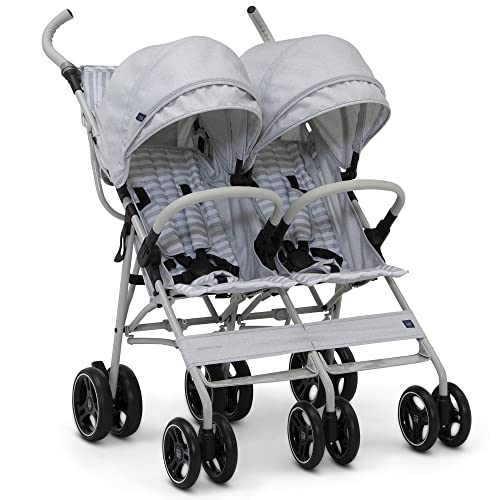 Best double jogger for parents of two young active kids
The BabyGap Side-by-Side Double Trek is one of the lightest double joggers on the market, weighing 32lbs, and is surprisingly maneuverable for a double model. We tested it with two 30lb toddlers and found it remained stable on paved paths and light trails, with no wobbling even at moderate jogging speeds. Both seats recline independently, have individual 5-point harnesses, and come with extendable sun visors for full sun protection.
It has a compact fold for a double jogger that fits in most minivans and large SUVs, and is made with the same recycled, stain-resistant fabric as the single BabyGap Classic models. The only downsides are its 36" width, which is too wide for narrow store aisles, and its 32lb weight, which is heavier than single strollers. For parents managing multiple kids, our tips for packing efficiently for runs can help you streamline your gear list.
Best double jogger for parents of two young active kids
The BabyGap Side-by-Side Double Trek is one of the lightest double joggers on the market, weighing 32lbs, and is surprisingly maneuverable for a double model. We tested it with two 30lb toddlers and found it remained stable on paved paths and light trails, with no wobbling even at moderate jogging speeds. Both seats recline independently, have individual 5-point harnesses, and come with extendable sun visors for full sun protection.
It has a compact fold for a double jogger that fits in most minivans and large SUVs, and is made with the same recycled, stain-resistant fabric as the single BabyGap Classic models. The only downsides are its 36" width, which is too wide for narrow store aisles, and its 32lb weight, which is heavier than single strollers. For parents managing multiple kids, our tips for packing efficiently for runs can help you streamline your gear list. Most affordable pick for casual neighborhood runners
The BabyTrend Journey is the most budget-friendly jogger on our list, priced at $149 as of 2026. Weighing 20lbs, it has a lockable front swivel wheel, a 5-point harness, and a basic suspension system that works well for paved sidewalks and neighborhood bike paths. The seat reclines fully for napping toddlers up to 40lbs, and the under-seat storage fits a small diaper bag plus snacks.
The one-hand fold is simple, and the canopy has a peek-a-boo window to check on your child without stopping. It’s not rated for rough trails or heavy use, but it’s a reliable, no-fuss pick for parents who only jog occasionally on smooth pavement. Its responsive wheels and steady ride make it perfect for casual neighborhood use.
Most affordable pick for casual neighborhood runners
The BabyTrend Journey is the most budget-friendly jogger on our list, priced at $149 as of 2026. Weighing 20lbs, it has a lockable front swivel wheel, a 5-point harness, and a basic suspension system that works well for paved sidewalks and neighborhood bike paths. The seat reclines fully for napping toddlers up to 40lbs, and the under-seat storage fits a small diaper bag plus snacks.
The one-hand fold is simple, and the canopy has a peek-a-boo window to check on your child without stopping. It’s not rated for rough trails or heavy use, but it’s a reliable, no-fuss pick for parents who only jog occasionally on smooth pavement. Its responsive wheels and steady ride make it perfect for casual neighborhood use. Premium double jogger for serious running families
The BOB Revolution Flex 3.0 Duallie is the only premium double jogger with adjustable suspension, making it the top pick for serious running families with two kids. Weighing 34lbs, it has a lightweight aluminum frame, 3-setting adjustable suspension that absorbs shock from rocky trails and rough pavement, and a lockable front swivel wheel for stable high-speed tracking. The two seats recline independently, each with a 5-point harness and individual canopy, and the 75lb weight capacity per seat means it will last through both kids’ toddlerhood.
It includes a large under-seat storage basket, hand brake with wrist strap, and car seat compatibility for infants. The only downsides are the $699 premium price point, 40" turning radius (too wide for narrow store aisles), and bulky folded size that only fits in full-size SUVs without removing wheels.
Premium double jogger for serious running families
The BOB Revolution Flex 3.0 Duallie is the only premium double jogger with adjustable suspension, making it the top pick for serious running families with two kids. Weighing 34lbs, it has a lightweight aluminum frame, 3-setting adjustable suspension that absorbs shock from rocky trails and rough pavement, and a lockable front swivel wheel for stable high-speed tracking. The two seats recline independently, each with a 5-point harness and individual canopy, and the 75lb weight capacity per seat means it will last through both kids’ toddlerhood.
It includes a large under-seat storage basket, hand brake with wrist strap, and car seat compatibility for infants. The only downsides are the $699 premium price point, 40" turning radius (too wide for narrow store aisles), and bulky folded size that only fits in full-size SUVs without removing wheels.
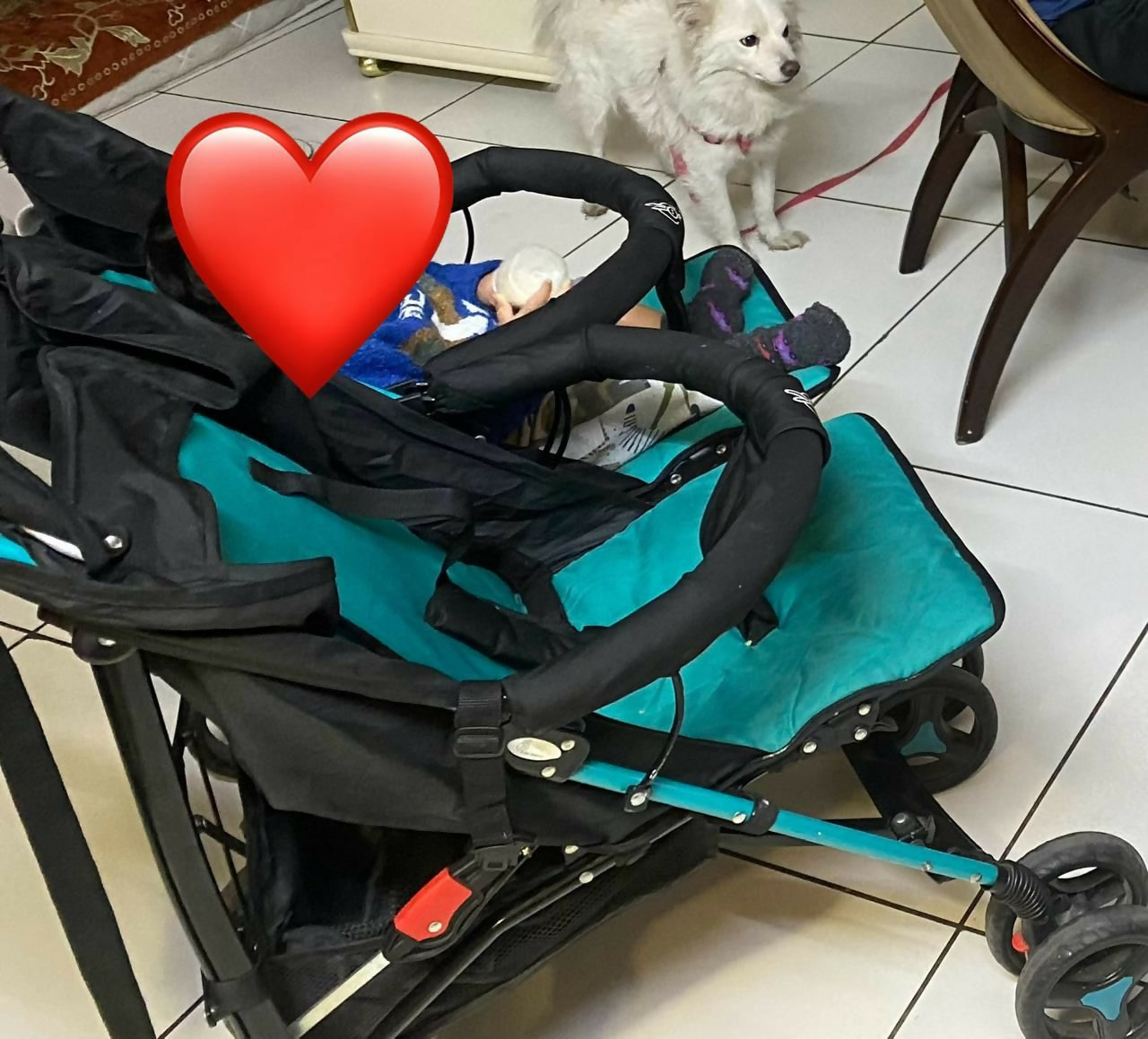 A well-presented stroller with clear, honest photos builds buyer trust and reduces follow-up questions
Credit: vixencomposites.com
A well-presented stroller with clear, honest photos builds buyer trust and reduces follow-up questions
Credit: vixencomposites.com Premium brand strollers like UPPAbaby typically retain 40–60% of their original retail value after 2 years of use
Credit:
Premium brand strollers like UPPAbaby typically retain 40–60% of their original retail value after 2 years of use
Credit:  Including accessories like rain covers, travel bags, and cup holders can justify a 10–15% higher asking price
Credit: vixencomposites.com
Including accessories like rain covers, travel bags, and cup holders can justify a 10–15% higher asking price
Credit: vixencomposites.com
 Joovy Zoom360 Ultralight with a child riding
 BOB Wayfinder Storm on a hilly street
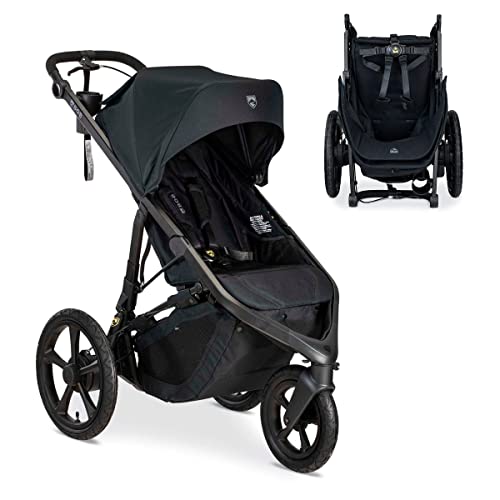 BOB Wayfinder Nightfall jogging stroller
 UPPAbaby Ridge on a paved hiking trail


 Spare tubes stored in the stroller's storage basket for on-trail flat fixes
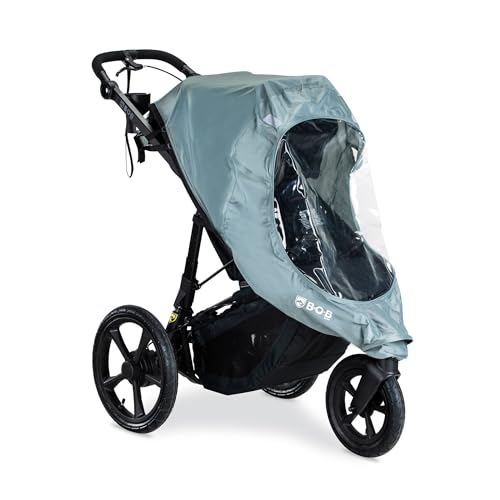 Tested in 40°F drizzly conditions, kept child dry and visible
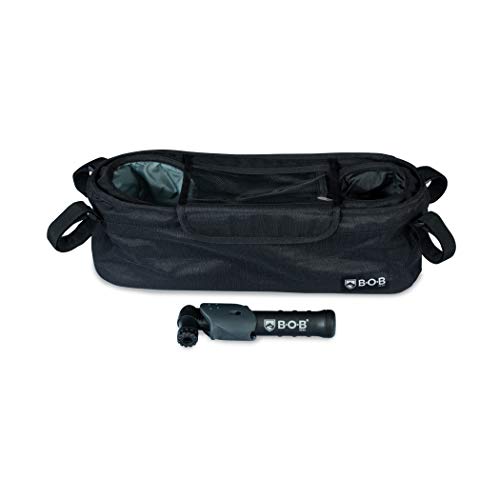 Console holds phone, keys, and includes a pump for quick tire pressure checks
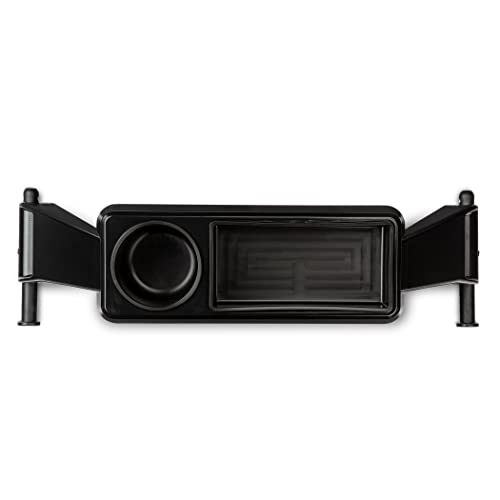 Holds sippy cups and small snacks, wipes clean after use
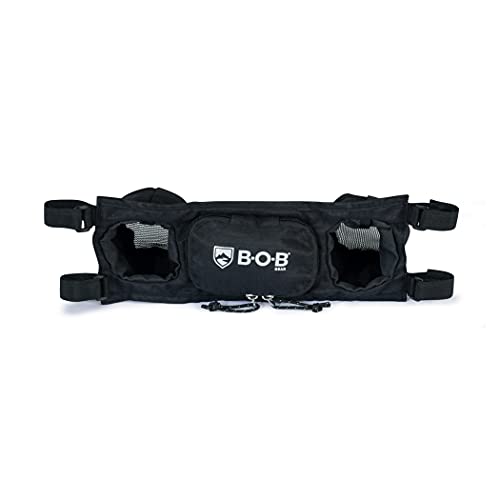 Low-profile design fits easily on handlebars without adding bulk
 Securely locks Chicco infant car seats in place for travel system use

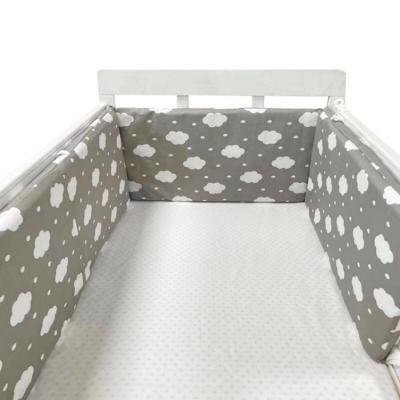 This style of padded crib bumper was recalled by the CPSC due to confirmed suffocation and entrapment risks.
Credit:
This style of padded crib bumper was recalled by the CPSC due to confirmed suffocation and entrapment risks.
Credit: 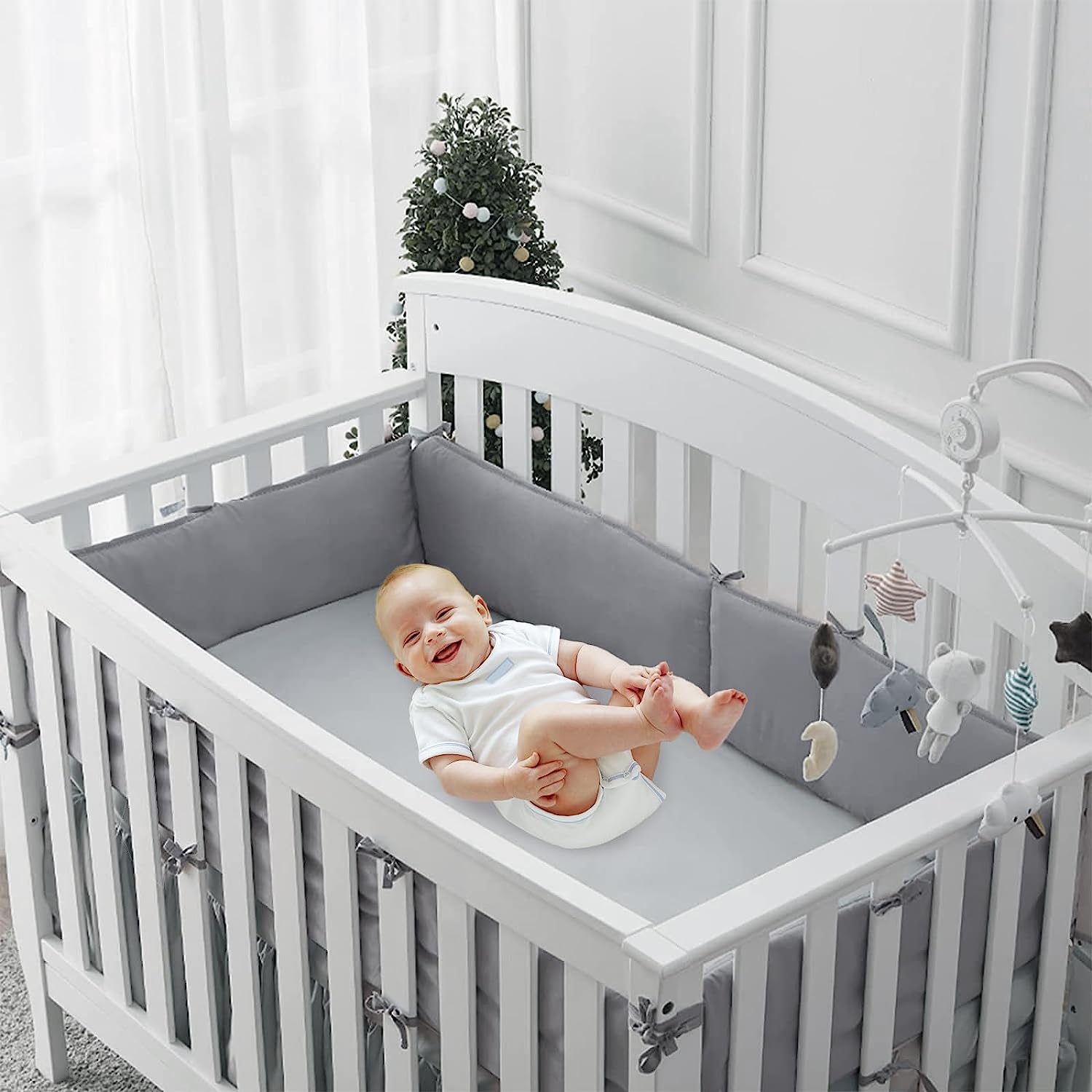 Breathable mesh liners reduce suffocation risk compared to padded bumpers, but still require careful installation and age-appropriate use.
Credit: maiamidwifery.com
Breathable mesh liners reduce suffocation risk compared to padded bumpers, but still require careful installation and age-appropriate use.
Credit: maiamidwifery.com This bare crib setup meets all current AAP and CPSC safe sleep guidelines for infants under 12 months old.
Credit:
This bare crib setup meets all current AAP and CPSC safe sleep guidelines for infants under 12 months old.
Credit: