Emma Grace is a devoted mother and passionate content writer at BestBabyCart.com. With firsthand parenting experience and a love for research, she creates helpful guides and honest reviews to support parents in choosing the best for their babies. Her goal is to make parenthood easier, one article at a time.

Every parent knows the challenge of soothing a fussy baby. The cries, the restlessness—it can be overwhelming! But don’t worry, you’re not alone. Fussy babies are common, often due to hunger, discomfort, or simply needing extra comfort. In this guide, we’ll share expert tips to soothe a fussy baby with proven techniques that bring calmness to both you and your little one. Whether you’re a new parent or a seasoned caregiver, these strategies will help you navigate those tough moments and create a peaceful environment for your baby.
Why Do Babies Get Fussy?
Before diving into solutions, let’s understand why babies get fussy. Knowing the root cause can help you address it effectively:
Hunger: A common culprit—babies need frequent feeding, especially newborns.
Discomfort: Wet diapers, tight clothing, or teething can irritate.
Overstimulation: Too much noise, light, or activity can overwhelm a baby.
Tiredness: Lack of sleep or an irregular nap schedule often leads to fussiness.
Need for Comfort: Babies crave closeness, whether through touch or a familiar scent.
Understanding these triggers sets the stage for the right soothing techniques. Let’s explore expert-backed methods to calm your fussy baby.
Proven Techniques to Soothe a Fussy Baby
Here are detailed, actionable tips to help you comfort your little one:
1. Swaddle Your Baby for Security
Swaddling mimics the womb’s cozy environment, providing a sense of security that can instantly calm a fussy baby. The gentle pressure helps reduce the startle reflex, which often disrupts sleep.
How to Do It: Use a lightweight, breathable swaddle blanket. Wrap your baby snugly, ensuring their hips can move and their airway is clear.
Pro Tip: Try swaddling during naps or bedtime to create a consistent calming routine.
2. Use White Noise to Mimic the Womb
The womb is a noisy place—think heartbeats and muffled sounds! White noise replicates this environment, helping to soothe a fussy baby by drowning out distractions.
How to Do It: Use a white noise machine, a fan, or an app with soothing sounds like rain or ocean waves. Keep the volume low, around 50 decibels, to avoid overstimulation.
Why It Works: According to the Sleep Foundation, white noise can reduce crying and improve sleep by creating a calming background.
3. Try the 5 S’s Technique
Pediatrician Dr. Harvey Karp’s “5 S’s” method is a proven way to soothe newborns. It combines five steps to activate a baby’s calming reflex:
Swaddle: As mentioned earlier, wrap your baby snugly.
Side/Stomach Position: Hold your baby on their side or stomach while supporting their head (only while awake, not for sleep).
Shush: Make a loud “shh” sound near their ear to mimic womb noises.
Swing: Gently rock or sway your baby in your arms or a swing.
Suck: Offer a pacifier or let them suckle during breastfeeding.
Infographic: Follow these 5 steps to activate your baby’s calming reflex
4. Offer Skin-to-Skin Contact
Physical closeness is a powerful way to soothe a fussy baby. Skin-to-skin contact regulates a baby’s heart rate, breathing, and temperature, promoting calmness.
How to Do It: Undress your baby down to their diaper, remove your shirt, and hold them against your chest. Cover with a light blanket if needed.
Why It Works: The American Academy of Pediatrics recommends skin-to-skin for its calming and bonding benefits.
Image: Skin-to-skin contact fosters a deep sense of calm and connection
5. Establish a Consistent Sleep Routine
A tired baby is often a fussy baby. Creating a predictable sleep routine can prevent overtiredness and reduce fussiness.
How to Do It: Set a calming pre-sleep ritual—dim the lights, play soft music, and give a gentle massage. Stick to consistent nap and bedtime schedules.
Pro Tip: Avoid overstimulation before sleep by limiting screen time or loud noises.
6. Use Gentle Rocking or Movement
Motion can work wonders for a fussy baby. The rhythmic movement mimics the rocking they felt in the womb, providing instant comfort.
How to Do It: Rock your baby in your arms, use a rocking chair, or take them for a car ride. A baby swing or carrier can also work well.
Safety Note: Always supervise your baby in swings or carriers to ensure they’re secure.
Image: Gentle rocking mimics the womb’s motion to soothe your baby.
Sucking is a natural calming mechanism for babies. Whether through a pacifier or breastfeeding, it can quickly reduce fussiness.
How to Do It: Introduce a pacifier after breastfeeding is established (usually 3-4 weeks). For breastfeeding, offer a short comfort feed.
Why It Works: Sucking triggers the release of calming hormones, helping your baby relax.
8. Check for Discomfort
Sometimes, fussiness stems from physical discomfort. Run through this checklist to identify and address potential issues:
Wet or dirty diaper? Change it promptly.
Too hot or cold? Adjust their clothing or room temperature (ideal: 68-72°F).
Teething? Offer a chilled teething ring (not frozen).
Tight clothing? Ensure outfits are loose and comfortable.
Quick Discomfort Check for a Fussy Baby
Use this checklist to quickly identify and address potential sources of discomfort that might be causing your baby’s fussiness:
Diaper (Wet/Dry?): Check if the diaper is wet or soiled. A quick change can often stop the fussing instantly.
Temperature (Too Hot/Cold?): Feel your baby’s hands, feet, or back. Adjust the room temperature (ideal: 68-72°F) or their clothing if they’re too hot or cold.
Teething (Signs?): Look for drooling, gum swelling, or increased chewing. Offer a chilled teething ring to soothe discomfort.
Clothing (Comfortable?): Ensure outfits aren’t too tight or scratchy. Opt for soft, breathable fabrics like cotton to keep your baby comfy.
Creative Soothing Idea: The “Calmness Corner”
Every parent knows the challenge of soothing a fussy baby. Simple techniques can bring comfort and calmness. Understanding effective soothing techniques helps in managing a baby’s needs. Let’s explore some proven methods that can make a big difference.
Gentle Rocking Methods
Gentle rocking mimics the womb’s motion. Use a rocking chair or cradle. Hold your baby securely in your arms. Rock slowly and steadily. This rhythmic movement offers comfort and reassurance. Try different positions for your baby’s comfort. Some babies prefer being held upright. Others might like lying down.
Using Pacifiers Wisely
Pacifiers can be a helpful tool. They satisfy a baby’s natural sucking reflex. Offer a pacifier when your baby seems restless. Ensure it’s clean and suitable for their age. Please do not rely on it for long periods. Observe how your baby responds. Some may find instant comfort. Others might need a little more time to adjust.
Feeding and nutrition are crucial for soothing a fussy baby. Understanding the baby’s needs can reduce fussiness and promote calmness. Parents often find themselves navigating through hunger cues and managing feeding times. This section provides insights into recognizing hunger cues and scheduling feeding times effectively. Let’s explore these aspects to ensure a happier baby.
Recognizing Hunger Cues
Babies show signs when they are hungry. Watch for these signals. Lip smacking, sucking on fingers, or rooting are common cues. Crying is often a late sign of hunger. Recognizing early signals helps in feeding before fussiness starts. Observing these cues leads to timely feeding. This lessens crying and discomfort.
Each baby has unique hunger cues. Learning your baby’s cues can be challenging. It requires patience and attention. Keeping a journal might help in tracking patterns. Note behaviors before and after feeding. This can reveal specific hunger signs for your baby. Responding to these cues promptly helps in soothing your baby.
Managing Feeding Times
Feeding schedules are essential for a baby’s routine. Regular feeding times can make a baby feel secure. It establishes a predictable pattern. This consistency reduces fussiness. Babies thrive on regularity. Setting specific times for feeding can be beneficial.
Consider your baby’s age and needs. Younger babies may need more frequent feedings. As they grow, intervals can extend. Adjust feeding times based on growth and activity levels. Flexibility in feeding schedules is important. Every baby is different. Understanding your baby’s needs helps in managing feeding times effectively.
Importance Of Sleep Patterns
Understanding the importance of sleep patterns can help soothe a fussy baby. Babies need consistent sleep to grow and develop. Lack of sleep can lead to fussiness and irritability. A structured sleep routine can make a difference. It helps babies feel secure and understand what to expect.
Establishing A Sleep Routine
Establishing a sleep routine is crucial. Start with a calm environment. A quiet room can help. Dim the lights to signal bedtime. Use a gentle lullaby. A warm bath can be soothing. A consistent bedtime story can also help. Repetition builds comfort and familiarity. Soon, your baby will recognize bedtime cues.
Signs Of Sleep Readiness
Recognize the signs of sleep readiness. Yawning is a clear sign. Rubbing eyes can indicate tiredness. Notice fussiness or irritability. These are signals for sleep. A baby may also look away. Or become less active. Catch these cues early. It prevents overtiredness. And makes bedtime smoother.
Emotional Support for Parents
Let’s talk about you for a moment. Caring for a fussy baby can be draining, and it’s okay to feel overwhelmed. You’re doing an incredible job, even when it doesn’t feel like it. Here are a few tips to keep your spirits up:
Take Breaks: Ask a partner, family member, or friend to step in when you need a moment.
Practice Self-Care: Even a quick shower or a cup of tea can recharge you.
Connect with Others: Join a parenting group or talk to friends who get it.
Breathe Deeply: When frustration builds, take slow, deep breaths to reset
Using Music And Sound
Music and gentle sounds can calm a fussy baby, creating a peaceful atmosphere. Soft lullabies or soothing melodies help babies relax and feel secure. Experiment with different tunes to find what comforts your little one best.
When your baby is fussy, finding the right way to calm them can feel like a challenge. One effective method is using music and sound. This approach taps into the innate connection between babies and auditory experiences. Whether it’s a gentle lullaby or the consistent hum of white noise, sound can work wonders in soothing your little one. Let’s dive into some specific techniques and their benefits.
Benefits Of White Noise
White noise can mimic the sounds your baby heard in the womb. This familiar background noise can create a comforting environment that encourages relaxation. It’s like flipping a switch from chaos to calm.
Many parents find that a simple white noise machine or even a household fan can help their baby sleep better. Consistent, gentle sounds help drown out other distracting noises. It becomes easier for your baby to drift into a peaceful sleep.
Have you ever noticed how quickly a fussy baby quiets down in a car? The car’s engine provides a similar effect to white noise. This natural hum can be replicated at home with a white noise app or machine, providing a consistent and soothing soundscape.
Singing And Lullabies
Your voice is powerful. Singing to your baby can create a special bond and offer comfort. Lullabies are not just traditional bedtime songs; they are a tool for soothing and connection.
Don’t worry if you’re not a trained singer. Your baby finds your voice comforting simply because it’s yours. A simple, repetitive tune can be incredibly calming.
Consider making lullabies part of your daily routine. This can signal to your baby that it’s time to wind down. Plus, over time, these tunes can become a cherished part of your child’s life.
How can you integrate these soothing sounds into your daily routine? Experiment with different types of music and sounds to see what works best for your baby. Remember, every baby is unique, so patience and persistence are key.
Professional Advice And Support
Caring for a fussy baby can be challenging. Parents often feel overwhelmed. Seeking professional advice and support can make a big difference. Experts provide guidance and reassurance. Professional insights can ease stress and worry. Parents can find peace of mind.
Consulting Pediatricians
Pediatricians are a trusted resource for parents. They can identify underlying issues. A thorough check-up ensures the baby is healthy. Pediatricians offer personalized advice. They understand each baby’s unique needs. Regular visits build a strong support system. Parents can ask questions freely. This helps in understanding the baby’s behavior better.
Seeking Parenting Groups
Parenting groups offer valuable support and community. Parents share experiences and tips. This collective wisdom can be comforting. Groups often meet in person or online. They provide a safe space to express concerns. Parents find encouragement in shared stories. These groups foster a sense of belonging. Members often form lasting friendships. Parenting becomes a shared journey.
How long should I try a soothing technique before switching?
Give each technique at least 5-10 minutes to work, unless your baby seems increasingly distressed. Babies often need time to adjust, but if they’re not calming down, try another method.
Can I use white noise all night for my baby?
Yes, but keep the volume low (around 50 decibels) and place the device at least 7 feet from the crib to protect their hearing, as recommended by the Sleep Foundation.
What if my baby is still fussy after trying everything?
If fussiness persists, check for underlying issues like illness (e.g., fever, ear infection) or consult a pediatrician. Sometimes, babies just need extra time to settle.
Is it okay to let my baby cry it out?
For newborns, it’s best to respond promptly to cries to build trust. For older babies (6+ months), some parents use controlled crying methods, but always consult your pediatrician first.
How can I prevent fussiness in the first place?
Establish consistent routines for feeding, sleep, and play. Watch for early signs of hunger or tiredness to address needs before fussiness starts.
How long is normal for a baby to be fussy?
A: Fussiness varies, but most babies have a “witching hour” (often in the evening) that can last 1–3 hours. If crying persists for hours daily or seems unusual,
How Do I Get My Baby To Stop Being Fussy?
Comfort your baby with gentle rocking or soothing sounds. Check if they’re hungry, tired, or need a diaper change. Offer a pacifier or a favorite toy. Maintain a calm environment and avoid overstimulation. Consult a pediatrician if fussiness persists or if there are other concerns.
How To Put A Fussy Baby To Sleep?
Create a soothing bedtime routine. Use gentle rocking, soft music, or a warm bath. Ensure the baby is comfortable and the room is dark. Offer a pacifier or gentle lullabies. Avoid overstimulation and maintain a consistent sleep schedule.
Conclusion: Create Calmness for You and Your Baby
Soothing a fussy baby doesn’t have to be stressful. With these expert tips—from swaddling and white noise to skin-to-skin contact and consistent routines—you can comfort your little one and reduce crying effectively. Every baby is unique, so experiment with these techniques to find what works best for yours. Ready to explore more parenting advice? Dive into our Baby Care section for additional tips and product recommendations.
You are doing great! Your efforts make a difference in your baby’s happiness.
Emma Grace is a devoted mother and passionate content writer at BestBabyCart.com. With firsthand parenting experience and a love for research, she creates helpful guides and honest reviews to support parents in choosing the best for their babies. Her goal is to make parenthood easier, one article at a time.

Breastfeeding is a natural way to nourish your baby. It can also be daunting for new mothers.
Many beginner moms feel unsure about where to start. Understanding basic tips can ease this journey and make it more enjoyable for both mother and child. Breastfeeding is not just about feeding; it’s about bonding, health, and comfort. In the beginning, it might feel overwhelming. In this article, we will let you know the details of Breastfeeding Tips for New Moms.
Why Breastfeeding Matters
Breastfeeding is more than just feeding your baby—it’s a nurturing act that fosters physical and emotional closeness. The World Health Organization (WHO) recommends exclusive breastfeeding for the first six months of life because of its numerous benefits for both baby and mom.
Benefits Of Breastfeeding
Breastfeeding Tips for Beginners. Breastfeeding offers a range of benefits for both mother and baby. It provides essential nutrients that support growth and development. Breastfeeding also strengthens the bond between mother and child. Understanding these benefits can help new mothers feel more confident. Let’s explore these advantages further.
Breastfeeding Benefits for Baby
Nutrition Powerhouse: Breast milk contains the perfect balance of nutrients, antibodies, and enzymes tailored to your baby’s needs.
Immune Support: It helps protect against infections, allergies, and chronic conditions like obesity and diabetes later in life.
Cognitive Development: Studies suggest breastfeeding may support brain development and higher IQ scores.
Breastfeeding Benefits for Mom
Physical Recovery: Breastfeeding triggers oxytocin release, helping your uterus contract and reducing postpartum bleeding.
Emotional Bonding: The skin-to-skin contact fosters a deep connection with your baby.
Long-Term Health: It lowers the risk of breast and ovarian cancer and may help with postpartum weight loss.
Bonding With Your Baby
Breastfeeding creates a unique bonding experience. It promotes closeness through skin-to-skin contact. This closeness helps the baby feel secure and loved. It can also enhance emotional connections. The act of breastfeeding releases oxytocin. This hormone strengthens the emotional bond between mother and baby.
Preparing For Breastfeeding
Breastfeeding is a beautiful journey for both mother and baby. Proper preparation can ease the process for beginners. Understanding what you need to start makes the experience smoother. Let’s explore some essential steps to get ready for breastfeeding.
Creating A Comfortable Environment
A cozy space is key for successful breastfeeding. Choose a quiet corner in your home. Use a comfortable chair with good back support. Soft lighting can help create a calm atmosphere. Keep distractions like loud noises away. This helps the baby to focus during feeding sessions.
Building a Breastfeeding Routine
As you and your baby get the hang of breastfeeding, establishing a routine can help you feel more in control.
Feed on Demand
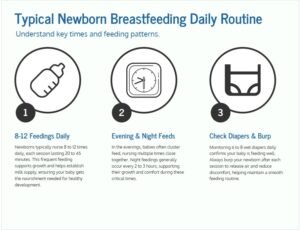
Newborns typically feed 8-12 times in 24 hours, often every 2-3 hours. Watch for hunger cues like rooting, sucking on hands, or fussiness, rather than sticking to a strict schedule.
Image: Daily routine for newborn breastfeeding Baby
Starting The Breastfeeding Journey
Embarking on the breastfeeding journey involves understanding basic tips for beginners. Stay patient and relaxed; finding a comfortable position is key. Seeking support from healthcare professionals can enhance confidence and ease challenges.
Embarking on the breastfeeding journey can feel like entering uncharted territory. You might be filled with questions, uncertainties, and a range of emotions. This journey is unique and personal, with each mother experiencing it differently. As you begin, it’s crucial to arm yourself with practical tips that can ease the transition and make breastfeeding a rewarding experience for both you and your baby. Let’s dive into some essential advice to help you get started.
Finding The Right Position
The first step in successful breastfeeding is finding a comfortable position. Consider using a nursing pillow to support your baby. It can relieve strain from your arms and shoulders. Experiment with different positions such as the cradle hold, football hold, or side-lying position. Each has its benefits and might suit different situations or times of day. It’s about what feels right for you and your baby. A comfortable position can make all the difference in those early days. Remember, there’s no one-size-fits-all; finding your groove takes time.
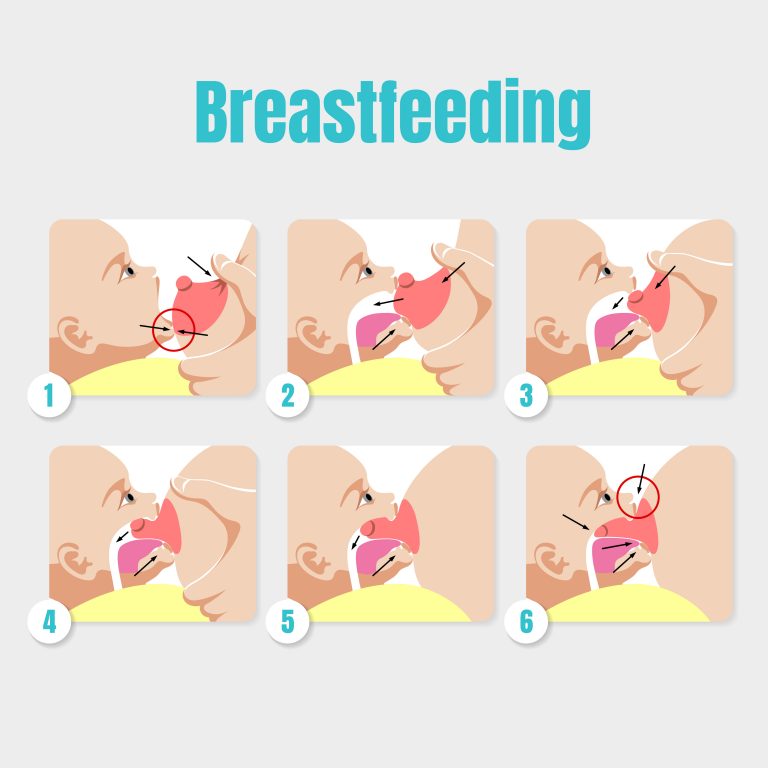
Image: Breastfeeding in the right position
Ensuring Proper Latch
A proper latch is key to a successful breastfeeding experience. When your baby latches correctly, it reduces discomfort and ensures they get enough milk. Look for signs of a good latch: your baby’s mouth covers most of the areola, and you should see rhythmic sucking. If you feel pain, it might be a sign to adjust. Don’t hesitate to seek help if you’re unsure. Lactation consultants can offer guidance and reassurance. Knowing you have support can boost your confidence significantly. Breastfeeding is a journey filled with learning and adaptation. What challenges are you experiencing, and how are you planning to overcome them?
Overcoming Common Challenges
Breastfeeding can be a beautiful bonding experience, but it’s not always easy. Many new moms face challenges that can make them question their ability to continue. From sore nipples to low milk supply, these hurdles can be daunting. But don’t worry—you’re not alone, and some solutions can help you overcome these common obstacles. Let’s dive into some practical tips that can make breastfeeding smoother for you and your baby.
Managing Sore Nipples
Sore nipples are a common issue for many breastfeeding moms. You might feel like you’re doing something wrong, but it’s often just part of the adjustment period. One effective way to manage soreness is by ensuring your baby latches on correctly. A proper latch can significantly reduce nipple pain.
Try using nipple creams or ointments that are safe for breastfeeding. Many moms find relief with these products, as they help soothe and heal irritated skin. Don’t hesitate to reach out for support from a lactation consultant—they can offer personalized advice to improve your comfort.
Dealing With Low Milk Supply
Low milk supply can be stressful, especially when you want the best for your baby. It’s important to remember that many factors can impact your supply, including stress and diet. Start by increasing the frequency of your breastfeeding sessions. More nursing can stimulate your body to produce more milk.
Consider integrating lactation-friendly foods into your meals. Oats, almonds, and spinach are known to support milk production. Hydration is also crucial—drink plenty of water throughout the day. Have you tried herbal teas like fenugreek or blessed thistle? Many moms swear by them for boosting milk supply.
Breastfeeding challenges are not insurmountable. With patience and the right strategies, you can navigate these early hurdles and enjoy a fulfilling breastfeeding journey. What has been your biggest challenge so far? Share your thoughts or questions in the comments below—your experience might just help another mom!
Understanding Baby’s Feeding Cues
Recognizing your baby’s feeding cues is vital for successful breastfeeding. Watch for signs like rooting, hand movements, or mouth opening. Responding promptly helps establish a comforting feeding routine and strengthens bonding with your newborn.
Understanding your baby’s feeding cues is essential for successful breastfeeding. New parents often find these cues mysterious. Yet, they reveal much about a baby’s needs. Recognizing these signals can help ensure your baby is well-fed and content.
Recognizing Hunger Signals
Babies communicate hunger through various signals. One common sign is sucking motions. Babies often suck their hands or lips. Rooting is another signal. This involves turning their head towards a touch on their cheek. Crying is a late hunger signal. It’s best to feed before they cry. Watch for these signs to know when to breastfeed.
Identifying Fullness Indicators
Fullness indicators show your baby is satisfied. Babies often relax their hands when full. They may also turn away from the breast. Another indicator is falling asleep during feeding. Look for fewer sucking motions. These signs suggest your baby has had enough. Recognizing them helps prevent overfeeding. Understanding these cues builds confidence in new parents. It strengthens the bond with their baby.
Maintaining Healthy Nutrition
Breastfeeding offers many benefits for both mother and baby. But it requires extra care in nutrition. Eating well helps your body produce enough milk. It also supports your health. Focus on a balanced diet and proper hydration. These are key to successful breastfeeding. Let’s explore some essential tips.
Diet Tips For Nursing Mothers
A varied diet is important for nursing mothers. Include fruits, vegetables, whole grains, and lean proteins. These foods provide essential nutrients. Fatty fish like salmon give you omega-3s. This is good for brain health. Dairy products offer calcium, which strengthens bones. Try to eat smaller meals more often. This keeps your energy levels stable.
Avoid foods high in sugar and fat. They offer little nutritional value. Limit caffeine and alcohol. They can pass through breast milk. Always check food labels for additives. Some can affect milk production. If unsure, consult a nutritionist.
Staying Hydrated
Hydration is crucial during breastfeeding. Your body needs more fluids. Aim for at least eight glasses of water daily. Milk production requires extra water. Keep a water bottle handy. Sip throughout the day. Herbal teas can also be beneficial. Some herbs may even boost milk supply.
Signs of dehydration include dry mouth and fatigue. If you experience these, increase your fluid intake. Avoid sugary drinks. They can lead to energy crashes. Fresh fruit juices are a healthy alternative. Remember, proper hydration supports both you and your baby.
Balancing Breastfeeding And Work
Juggling breastfeeding and work can be challenging for new mothers. Start by setting a routine that fits your schedule. Find a comfortable, private space at work for pumping.
Balancing breastfeeding and work can be a challenging but rewarding journey. Many new moms face the dilemma of maintaining their breastfeeding routine while keeping up with work responsibilities. The good news is, with the right strategies, you can successfully manage both. Whether you’re working from home or commuting to an office, having a plan can make all the difference.
Pumping Strategies
Creating a pumping strategy is crucial for maintaining your milk supply. Start by identifying the best times to pump during your workday. This could be during breaks or lunch. Invest in a quality breast pump that is portable and easy to use. Many moms find that a double electric pump is efficient and saves time. Consider the logistics of where you’ll be pumping. Find a comfortable and private space. It’s important to relax and focus on your baby to maximize milk output.
Planning Feeding Schedules
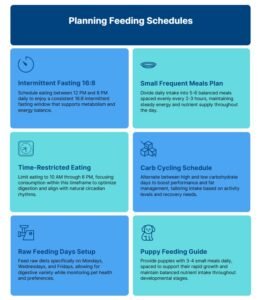
Your feeding schedule will evolve based on your baby’s needs and your work hours. Begin by mapping out your daily routine to find natural feeding windows. Think about the nights and weekends as prime opportunities for direct breastfeeding. This keeps your bond strong and helps maintain your milk supply. Communicate with your caregiver about feeding times. Ensure they are aware of your baby’s needs and any preferences you have. What steps can you take today to better align your work life with your breastfeeding goals? By actively planning and adjusting, you can create a seamless experience that benefits both you and your little one.
image: Planning Feeding Schedules
Seeking Support And Resources
As a new parent, breastfeeding can seem daunting, but seeking support and resources can make a world of difference. You don’t have to navigate this journey alone. There are numerous tools and communities ready to guide and assist you along the way.
Connecting With Lactation Consultants
Lactation consultants are a treasure trove of knowledge for breastfeeding parents. These professionals specialize in helping you get comfortable with breastfeeding techniques. If you’re facing challenges like latching issues or milk supply concerns, a lactation consultant can provide tailored advice to ease your worries.
I remember when I first started breastfeeding, I was overwhelmed by the information available online. Reaching out to a lactation consultant provided me with personalized tips that helped me and my baby find our rhythm. Have you considered how much more confident you could feel with expert guidance?
Many hospitals and clinics offer free or low-cost access to lactation consultants. Don’t hesitate to ask your healthcare provider for recommendations. A single session might be all you need to overcome initial hurdles.
Joining Support Groups
Support groups can be a lifeline for new breastfeeding parents. Being part of a community where you can share experiences and tips is invaluable. You might be surprised to find how many others are experiencing the same challenges as you.
Consider attending a local breastfeeding support group or joining an online community. These groups often provide a safe space to ask questions, share successes, and even vent your frustrations. Have you tried sharing your journey with others who understand what you’re going through?
When I joined a local group, I found comfort in knowing I wasn’t alone. Hearing stories from other moms gave me new perspectives and solutions. Look for groups that match your needs, whether they’re in-person or virtual, to ensure you have the support system you deserve.
Frequently Asked Questions for New Breastfeeding Moms
How Should A First-Time Mom Breastfeed?
Begin breastfeeding within the first hour after birth. Hold your baby skin-to-skin for better latching. Ensure a comfortable position, supporting your baby’s head. Listen for swallowing sounds as your baby feeds. Seek help from a lactation consultant if needed.
What Is The 5 5 5 Rule For Breastmilk?
The 5 5 5 rule for breastmilk ensures safe storage. Keep breastmilk at room temperature for 5 hours, refrigerate for 5 days, and freeze for 5 months. This helps maintain its nutritional quality and safety for your baby. Store in clean, sterilized containers to prevent contamination.
What Should You Not Do While Breastfeeding?
Avoid smoking, drinking alcohol, or consuming drugs during breastfeeding. Limit caffeine intake to enhance the baby’s sleep. Avoid high-mercury fish like shark and swordfish. Don’t skip meals; eat balanced, nutritious food. Consult a doctor before taking any medication or supplements.
What Is The 4 4 4 Rule For Breastfeeding?
The 4 4 4 rule for breastfeeding refers to storing breast milk: 4 hours at room temperature, 4 days in the refrigerator, and 4 months in the freezer. This guideline helps maintain milk safety and quality for feeding.
Conclusion
Breastfeeding can seem challenging at first, but it gets easier. Trust yourself. Your instincts and your baby will guide you. Remember, each mom and baby are unique. Find what works best for both of you. Seeking support from friends or professionals can help.
Stay patient and take one day at a time. Celebrate small victories and progress. Every drop counts. Cherish this special bonding moment with your baby. It’s worth it. With time, confidence will grow. You are doing great. Keep going and believe in yourself.
Emma Grace is a devoted mother and passionate content writer at BestBabyCart.com. With firsthand parenting experience and a love for research, she creates helpful guides and honest reviews to support parents in choosing the best for their babies. Her goal is to make parenthood easier, one article at a time.

Discover a new mom self-care routine with essential wellness tips for 2026 on bestbabycart.com, featuring quick relaxation and self-pampering ideas to thrive!
Welcoming a new baby into your life is a whirlwind of joy, love, and—let’s be honest—exhaustion. As a new mom, you’re pouring your heart and soul into caring for your little one, but what about you? Your well-being matters just as much, and carving out time for self-care isn’t selfish—it’s essential. A thoughtful self-care routine can recharge your energy, boost your mood, and help you thrive as both a mom and an individual.
In this guide, we’ll walk you through practical, heartfelt tips to create a new mom self-care routine that fits your busy life. From nurturing your body to soothing your mind, we’ve got you covered with actionable steps, emotional encouragement, and a sprinkle of inspiration. Let’s dive in!
Important Checklist For New Mom
Becoming a new mom is an exciting yet overwhelming journey. Here’s a concise checklist to help you prepare and thrive:
Why Self-Care Matters for New Moms
Becoming a mom is transformative, but it can also be overwhelming. Between sleepless nights, endless feedings, and adjusting to your new role, it’s easy to put yourself last. However, self-care isn’t a luxury—it’s a lifeline. Prioritizing your wellness helps you:
Boost Energy: Even small acts of self-care can recharge your physical and mental batteries.
Reduce Stress: Taking time for yourself lowers cortisol levels and promotes calm.
Enhance Bonding: When you’re refreshed, you can connect more deeply with your baby.
Model Self-Love: Showing your child the importance of self-care sets a powerful example.
Self-care doesn’t mean hours at a spa (though we can dream!). It’s about small, intentional moments that nourish your body, mind, and soul. Ready to build a routine that works for you? Let’s explore the essentials.
Building Your New Mom Self-Care Routine
Creating a self-care routine as a new mom is about flexibility and grace. You don’t need a perfect plan—just a few consistent habits that make you feel like you again. Below, we’ve broken down key areas of focus with practical tips and emotional support.
Finding Moments For Yourself
Finding moments for yourself can be simple. Take short breaks during the day. Even a few minutes can make a difference. Enjoy a cup of tea or read a book. Practice deep breathing exercises to relax your mind. These small acts can refresh your energy.
Consider scheduling regular alone time. Ask a family member to watch the baby. Use this time to do something you love. Whether it’s a hobby or a nap, it’s your time. Remember, taking care of yourself is a priority. It helps you be the best mom you can be.
Mental Health Matters
As a new mom, you may face many changes. Your mental health is essential. It’s important to care for your mind as you do for your baby. Taking small steps can make a big difference. Remember, you are not alone on this journey.
Recognizing Stress Signals
Stress can show in many ways. Physical signs include headaches and fatigue. Emotional signs may be irritability or sadness. Recognizing these signals is the first step. Pay attention to your body’s messages. It can help you manage stress better.
Seeking Professional Support
Sometimes, stress feels overwhelming. Seeking professional help is a smart choice. Therapists and counselors offer valuable support. They listen and provide helpful tools. You deserve to feel your best. Professional support can guide you through tough times.
Physical Wellness
New moms need a self-care routine for physical wellness. Short walks can boost energy and mood. Simple yoga stretches relieve stress and improve posture, helping moms feel more balanced and refreshed. Follow the CDC postpartum care guidelines for safe recovery after birth.
Welcoming a newborn into your life is a joyous occasion, but it also brings a whirlwind of changes. Amidst sleepless nights and diaper changes, prioritizing your physical wellness is crucial. As a new mom, your body has just undergone an incredible transformation, and nurturing it will help you regain energy and resilience. Let’s dive into some practical ways to boost your physical wellness.
Incorporating Exercise
Adding exercise to your daily routine might feel overwhelming at first. But think of it as a way to recharge your batteries rather than a chore. You don’t need a gym membership to get moving. Start small. Try walking around the neighborhood with your baby in a stroller. It’s a great way to introduce fresh air and sunshine into your day. Or, if you prefer to stay indoors, follow along with short online yoga or dance videos. These activities help strengthen your muscles and improve your mood. Consistency is key, so aim for just ten minutes a day and build from there. How can you make this part of your routine enjoyable?
Balanced Nutrition
Eating well is another cornerstone of physical wellness. As a new mom, your body needs nourishment to recover and produce energy. Let’s make this simple and achievable. Focus on whole foods. Think fruits, vegetables, whole grains, and lean proteins. Prepare easy meals like oatmeal with berries or grilled chicken salad. Batch cooking can save time, letting you grab nutritious meals without fuss. Hydration is just as important. Keep a water bottle handy and sip regularly. You might be surprised at how water can boost your energy levels. What quick meal ideas can you add to your repertoire to make your days easier? These steps are not just about physical health; they also support mental clarity and emotional well-being. Remember, your wellness journey is unique, so find what works best for you and enjoy the process.
Sleep Optimization
Being a new mom is a wonderful experience, yet it comes with challenges. One of the biggest hurdles is getting enough sleep. Sleep optimization is crucial for maintaining energy and well-being. With the right strategies, you can improve sleep quality, even with a newborn.
Creating A Sleep-friendly Environment
Design a peaceful space to enhance sleep. Keep the bedroom cool and dark. Use blackout curtains to block light. A white noise machine can drown out disturbances. Choose comfortable bedding for restful nights. Consider calming scents like lavender to soothe.
Napping Strategies
Short naps boost energy. Aim for 20-minute naps. Longer naps can disrupt your sleep cycle. Nap when your baby sleeps. This helps align your rest with their schedule. Avoid caffeine before napping to ensure deeper sleep. Set a regular nap time to establish routine.
Mindfulness Practices
Embrace small moments of mindfulness to nurture yourself. Gentle breathing exercises or a quiet pause can refresh your spirit. Prioritize self-care in your daily routine, fostering calm and balance.
Being a new mom is a whirlwind of emotions and responsibilities. Amidst diaper changes and feeding schedules, it’s easy to forget about your own well-being. Mindfulness practices can be a sanctuary amidst the chaos, offering you a moment to breathe and reconnect with yourself. These practices are not just about finding peace; they are about grounding yourself in the present, enhancing your resilience, and nurturing your mental health. Let’s dive into some practical mindfulness techniques that can seamlessly fit into your hectic schedule.
Meditation Techniques
Meditation can feel like a luxury for a new mom, but even a few minutes can work wonders. Try starting with a simple technique: sit comfortably, close your eyes, and focus on your breath. You might feel your mind wandering to the endless to-do list, and that’s okay. Gently bring your attention back to your breath each time it strays. Guided meditations can also be a great tool. Apps like Headspace or Calm offer short sessions that you can fit in during nap time. Imagine those ten minutes of meditation as a mental oasis, rejuvenating your mind and body. What’s one small way you can commit to making meditation a regular part of your day?
Breathing Exercises
Breathing exercises are a powerful and accessible form of mindfulness. When you feel overwhelmed, take a few deep breaths, counting to four as you inhale and exhale. This simple act can help slow your heart rate and calm your mind. Consider trying the 4-7-8 technique: inhale for a count of four, hold for seven, and exhale for eight. This exercise can be particularly helpful when you’re feeling anxious or stressed. Practicing it regularly can help you remain calm and centered, even on the most challenging days. Breathing exercises can be done anywhere—during a feeding session, while rocking your baby to sleep, or even in the shower. How can you integrate these small but powerful moments of calm into your daily routine? Mindfulness is not just a practice; it’s a gift you give yourself. By carving out moments for meditation and breathing, you’re not only enhancing your own well-being but also modeling self-care for your child. What will you do today to nurture your own spirit?
Building Support Networks
Becoming a new mom is an exciting journey, full of unexpected challenges and joys. Caring for a newborn requires a lot of energy and attention. Having a strong support network can make this transition smoother. Building connections with others can help you feel understood and supported. It gives you access to valuable resources and advice. Read on to explore how to connect with other moms and utilize community resources.
Connecting With Other Moms
Meeting other moms can be a comforting experience. Attend local mom groups or parenting classes. These gatherings offer a chance to share experiences. You can learn new tips and tricks from seasoned moms. Online forums and social media groups are also great places to connect. They provide space for real-time advice and support. Sharing stories with others can help you feel less isolated.
Utilizing Community
Community resources can be a vital lifeline for new moms. Libraries often host parenting workshops. Health centers may offer free classes or support groups. These programs can enrich your parenting journey with new knowledge. Don’t hesitate to reach out to local organizations. Many offer resources tailored for new parents. It’s essential to know what’s available in your area. This information can help you feel more prepared and confident.
Creative Outlets
Finding time for self-care as a new mom can be challenging. Creative outlets like journaling or painting offer a refreshing escape. These activities help nurture mental well-being while fitting easily into a busy schedule.
Welcoming a newborn into your life is a magical experience, but it can also be overwhelming. Amidst the diaper changes and sleepless nights, finding time for yourself is crucial. Creative outlets can be a wonderful way to recharge your batteries and nourish your spirit. They offer a break from routine and invite you to express yourself in new and exciting ways.
Exploring New Hobbies
Trying out a new hobby can be a refreshing escape from the demands of motherhood. It’s not just about filling time; it’s about discovering a part of you that might have been dormant. Have you ever wanted to learn to play an instrument or perhaps start a small garden? Investing in a hobby can bring unexpected joy and relaxation. A friend of mine found peace in knitting. It was a simple activity that calmed her mind and produced beautiful scarves as gifts. This could be your chance to explore something you’ve always been curious about.
Expressing Through Art
Art is a powerful tool for self-expression. You don’t need to be an expert to create something meaningful. Sometimes, the act of painting or drawing can be more therapeutic than the end result. Have you ever tried painting with your child? It can be a bonding experience while allowing you to express your emotions on canvas. Consider dedicating a small corner of your home to your artistic endeavors. This space can be your sanctuary—a place where you let your creativity flow without judgment. Have you found yourself doodling during a phone call? Those little sketches can evolve into larger projects. Art is a journey, and each stroke brings you closer to understanding yourself. Do you feel a spark of excitement at the thought of these creative possibilities? Remember, the journey of self-care is deeply personal. Embrace what resonates with you and let your creativity lead the way.
Managing Expectations
Becoming a new mom brings joy and challenges. Managing expectations is crucial. It helps maintain mental well-being. Many new moms feel overwhelmed. Balancing baby care and personal needs can be tough. Setting realistic expectations eases stress. It promotes a healthier self-care routine. Breastfeeding can be overwhelming—check our breastfeeding tips for new moms to ease the journey.
Embracing Imperfection
Perfection is unrealistic. Every mom makes mistakes. It’s part of the journey. Embrace these moments as learning experiences. Imperfection fosters growth. It builds resilience. Accept that things may not go as planned. This mindset reduces pressure. It allows for more self-compassion.
Setting Realistic Goals
Start with simple goals. Prioritize your needs. Include time for rest and relaxation. Small, achievable goals boost confidence. They create a sense of accomplishment. Don’t compare yourself to others. Every mom’s journey is unique. Focus on what works for you and your baby. Your sleep matters too—try our baby sleep solutions to help your little one rest better.
Frequently Asked Questions
How do I find time for self-care with a newborn? A: Focus on micro-moments, like deep breathing during feedings or stretching while baby plays. Delegate tasks and accept help to free up small windows of time.
What are quick self-care ideas for busy moms? A: Try 5-minute habits: sip a warm drink, listen to music, journal one sentence, or take a brisk walk with the stroller.
How do I know if I need professional help? A: If you feel persistently sad, anxious, or disconnected for more than two weeks, reach out to a doctor or therapist. Postpartum depression is common and treatable.
Creating a self-care routine helps new moms feel more balanced. Taking small breaks can rejuvenate and refresh. Remember, self-care isn’t selfish. It’s essential for mental health. Simple acts, like a warm bath, can lift spirits. Consistency in self-care builds resilience.
It also supports better parenting. Prioritize yourself to nurture both you and your baby. Listen to your needs and make time for joy. A happier mom means a happier home. Seek support from family and friends. Share your self-care journey with them.
Embrace these changes for a healthier, more fulfilling motherhood experience.
Emma Grace is a devoted mother and passionate content writer at BestBabyCart.com. With firsthand parenting experience and a love for research, she creates helpful guides and honest reviews to support parents in choosing the best for their babies. Her goal is to make parenthood easier, one article at a time.
Yes, baby teeth have nerves. Just like adult teeth, they can feel pain.
Hey there, parents! If you’ve ever wondered, “Do baby teeth have nerves?” you’re not alone. As a mom of three and the founder of BestBabyCart.com, I’ve had the same question pop into my mind during those late-night teething sessions. It’s a topic that often surprises new parents, and I’m here to break it down for you in a way that’s easy to understand, with a sprinkle of emotional support, because I know how overwhelming parenting can feel sometimes!
Introduction To Baby Teeth
Baby teeth, also called primary teeth, play a huge role in your child’s development, from helping them chew their first bites to paving the way for their permanent teeth. But what’s going on inside those tiny pearly whites? Do they have nerves like adult teeth? And if they do, what does that mean for teething, tooth decay, or even a trip to the dentist? Let’s uncover the surprising truth together, with Pediatrician-backed insights and practical tips to keep your little one’s smile healthy.
Do Baby Teeth Have Nerves?
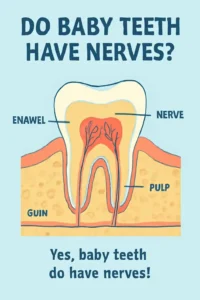
Yes, baby teeth do have nerves! Just like adult teeth, baby teeth contain nerves, blood vessels, and a soft tissue called pulp at their core. This might come as a surprise, especially since baby teeth eventually fall out, but those nerves are essential for your child’s oral health and development. They help the teeth grow, stay healthy, and even signal pain if something’s wrong, like a cavity.
But don’t worry—this doesn’t mean your baby is in constant pain when those teeth start coming in. The nerves in baby teeth are less developed than in adult teeth, which is why kids can often handle teething or minor dental issues better than we might expect. Let’s dig deeper into what this means for your little one.
The Anatomy of Baby Teeth: What’s Inside?
To understand the role of nerves in baby teeth, let’s take a quick look at their structure. Baby teeth might be small, but they’re made up of several layers, just like permanent teeth.
The Outer Layers: Enamel and Dentin
The outermost layer of a baby tooth is the enamel—a hard, protective coating that’s the toughest substance in the human body. Beneath the enamel is the dentin, a softer layer that supports the enamel and absorbs shocks from chewing.
The Inner Core: Pulp, Nerves, and Blood Vessels
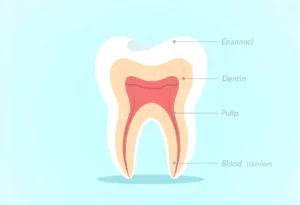
At the center of the tooth is the pulp, a soft tissue that houses the nerves and blood vessels. These nerves are what allow the tooth to feel sensations like temperature or pain, while the blood vessels supply nutrients to keep the tooth alive and growing. So yes, baby teeth have nerves, but they’re not as sensitive as those in adult teeth because the dentin layer in baby teeth is thinner, and the nerves are less mature.
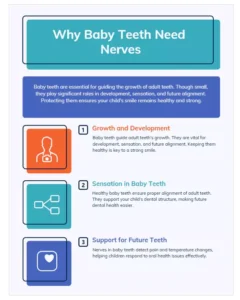
Why Do Baby Teeth Need Nerves?
Now that we know baby teeth have nerves, you might be wondering why they need them in the first place. After all, these teeth fall out between ages 6 and 12, so what’s the point? Here’s why those nerves are so important:
Growth and Development: Nerves and blood vessels in the pulp help the tooth grow and stay healthy while it’s in your child’s mouth.
Sensation: The nerves allow your child to feel sensations, like pain from a cavity, which can alert you to dental issues early.
Support for Permanent Teeth: Healthy baby teeth help guide permanent teeth into the right position, and the nerves play a role in keeping those baby teeth functional until they’re ready to fall out.
So, while baby teeth are temporary, they’re not just placeholders—they’re working hard to support your child’s overall oral health!
Img: Why Baby Teeth Need Neves
Formation Of Baby Teeth
Baby teeth begin forming before birth. The development starts in the womb. By the time a baby is born, the crowns of all 20 primary teeth are almost completely formed. These teeth begin to erupt through the gums at around six months of age.
Here is a table showing the typical age range for the eruption of baby teeth:
Chewing: They help children chew food properly, aiding digestion.
Speech: These teeth are crucial for speech development. They help in forming sounds and words.
Jaw Development: Baby teeth maintain space in the jaw for the permanent teeth. They guide the permanent teeth into their correct positions.
Self-Esteem: A healthy smile boosts a child’s confidence and social interactions.
Structure Of Baby Teeth
Understanding the structure of baby teeth is crucial for recognizing their role in a child’s early development. Baby teeth, also known as primary teeth, have a unique structure that distinguishes them from adult teeth. Let’s explore the different layers and how they differ from adult teeth.
Layers Of A Tooth
Each baby tooth consists of several layers, each serving a vital function:
Enamel: This is the hard, outermost layer. It protects the tooth from decay.
Dentin: Located beneath the enamel, this layer is softer. It supports the enamel and carries some nerve fibers.
Pulp: The innermost part of the tooth. It contains nerves and blood vessels. This part is crucial for the tooth’s health and development.
Differences From Adult Teeth
While baby teeth share similarities with adult teeth, there are key differences:
Aspect
Baby Teeth
Adult Teeth
Size
Smaller
Larger
Enamel Thickness
Thinner
Thicker
Number
20
32
Root Structure
Shorter, resorbs over time
Longer, permanent
Understanding these differences helps in providing proper dental care for children. It ensures their teeth stay healthy and strong.
Checklist: Soothing Teething Pain
Presence Of Nerves In Baby Teeth
Parents often wonder if baby teeth have nerves. The simple answer is yes. Baby teeth, like adult teeth, contain nerves. These nerves play a crucial role in the health and function of teeth. Understanding this can help in better dental care for children.
Anatomy Of Nerves
Each baby tooth has a complex structure. Inside the tooth, there is a soft tissue called the pulp. The pulp contains nerves and blood vessels. These nerves run from the crown of the tooth down to the root. They are surrounded by dentin, a hard tissue that protects them.
The pulp is vital for the tooth’s development. It helps form the dentin and keeps the tooth alive. Nerves in the pulp are very sensitive. They can detect changes in temperature and pressure. This sensitivity is important for detecting potential issues early.
Function Of Nerves In Teeth
Nerves in baby teeth serve several purposes. Firstly, they help in the growth and development of the tooth. The nerves provide nutrients and keep the tooth healthy. Secondly, they act as a warning system. If a tooth gets damaged or infected, the nerves send pain signals. This alerts you to the problem.
Pain signals can indicate cavities or other issues. Early detection can prevent more serious problems. Therefore, nerves are essential for maintaining oral health in children.
Pain And Sensation In Baby Teeth
Baby teeth have nerves, so they can feel pain and other sensations. This is why children may feel discomfort when their teeth come in or fall out.
Baby teeth, also known as primary teeth, do have nerves. These nerves play a significant role in the pain and sensation your child feels. Understanding this can help you better manage your baby’s dental health.
Teething Pain
Teething often causes discomfort and pain for babies. The process starts around six months of age. During teething, teeth push through the gums. This can make the gums sore and swollen. Your baby may become fussy and irritable. They might also drool more than usual. Chewing on objects can help soothe their gums.
Sensitivity To Temperature
Baby teeth can be sensitive to temperature changes. Cold foods or drinks might cause discomfort. Hot items can also trigger pain. This sensitivity is due to the nerves in the teeth. You may notice your baby reacting to temperature changes in their food or bottle. Being mindful of this can help prevent unnecessary discomfort.
Dental Health For Baby Teeth
Many parents wonder if baby teeth have nerves. Yes, they do. Baby teeth are essential for chewing and speaking. They also hold space for adult teeth. Taking care of baby teeth is important. Good dental health starts early.
Oral Hygiene Practices
Proper oral hygiene is crucial for baby teeth. Start cleaning your baby’s mouth before teeth appear. Use a soft, damp cloth to wipe gums. Once teeth appear, use a small toothbrush with soft bristles. Brush twice a day. Use a small amount of fluoride toothpaste.
Wipe gums daily with a clean cloth.
Brush teeth twice a day.
Use fluoride toothpaste.
Visit the dentist regularly.
These practices help keep baby teeth healthy. They also set the stage for good dental habits.
Preventing Tooth Decay
Tooth decay can start early. Prevent it by controlling sugar intake. Avoid giving sugary drinks in bottles. Don’t let your baby sleep with a bottle. Introduce a sippy cup around six months.
Limit sugary drinks and snacks.
Use a sippy cup by six months.
Brush teeth after meals.
Schedule regular dental check-ups.
These steps help prevent cavities. Healthy baby teeth lead to healthy adult teeth.
Age
Oral Care Tips
0-6 months
Wipe gums with a clean cloth.
6-12 months
Introduce a toothbrush. Use fluoride toothpaste.
12-24 months
Brush twice a day. Visit the dentist.
Following these tips can keep your child’s teeth healthy. Early care is key to a lifetime of good dental health.
Common Myths About Baby Teeth
Understanding baby teeth is crucial for parents. There are many common myths about baby teeth. These myths can lead to misunderstandings about dental care for children. Addressing these myths can help parents take better care of their child’s teeth.
Myth Of No Nerves
Some people believe baby teeth have no nerves. This is untrue. Baby teeth do have nerves. These nerves can feel pain and temperature changes. If a baby tooth gets damaged, it can hurt. Ignoring this myth can lead to untreated dental issues. Proper care is needed to avoid pain and infections.
Myth Of Irrelevance To Adult Teeth
Many think baby teeth do not affect adult teeth. This is another myth. Baby teeth guide the permanent teeth into place. They act as placeholders. If a baby tooth is lost early, it can cause spacing issues. These issues can affect how adult teeth grow in. Proper care of baby teeth ensures healthy development of adult teeth.
Cavities and Nerve Sensitivity
If a cavity develops in a baby tooth, it can reach the pulp and irritate the nerves, causing pain. That’s why it’s so important to start oral hygiene early—yes, even before the first tooth comes in! Wiping your baby’s gums with a soft cloth and brushing their teeth with a tiny amount of fluoride toothpaste (once they erupt) can prevent cavities.
Trauma to Baby Teeth
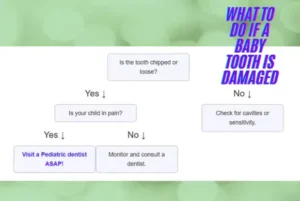
If your child falls and chips a baby tooth, the nerve might become exposed, leading to sensitivity or pain. In some cases, the tooth might need to be extracted by a dentist to prevent infection or damage to the permanent tooth underneath. Always consult a Pediatric dentist if your child experiences dental trauma.
Image: What to do if a baby tooth is damaged!
When To Visit A Pediatric Dentist
Understanding when to visit a pediatric dentist is crucial for your child’s dental health. Baby teeth, also known as primary teeth, play an essential role in developing strong, healthy adult teeth. Even though baby teeth eventually fall out, their health is important.
Many parents wonder if baby teeth have nerves. The answer is yes. Baby teeth have nerves just like adult teeth. This means they can feel pain and sensitivity. To ensure your child’s teeth are healthy, it’s important to know when to schedule a visit to the pediatric dentist.
First Dental Visit
Experts recommend scheduling your child’s first dental visit by their first birthday. This early visit helps identify any potential dental issues and ensures proper tooth development. During this visit, the dentist will examine your child’s teeth and gums. They will also discuss proper oral hygiene practices.
By starting dental visits early, children become comfortable with the dentist. This can reduce anxiety in future visits. Regular checkups are key to maintaining healthy teeth and preventing dental problems.
Signs Of Dental Issues
It’s important to monitor your child’s teeth for signs of dental issues. Early detection can prevent more serious problems later. Here are some common signs to watch for:
Tooth pain or sensitivity
Swollen or bleeding gums
White or brown spots on teeth
Bad breath that doesn’t go away
Difficulty chewing or eating
If you notice any of these signs, schedule a visit to the pediatric dentist right away. They can diagnose and treat any issues, ensuring your child maintains a healthy smile.
Regular dental visits and proper oral care are essential for your child’s dental health. By knowing when to visit a pediatric dentist, you can help ensure your child’s teeth and gums stay healthy and strong.
Long-term Impact Of Baby Teeth Health
Baby teeth have nerves, which play a crucial role in early dental health. Healthy baby teeth impact adult teeth alignment and overall oral health.
Baby teeth play a crucial role in a child’s overall development. Their health impacts more than just the ability to chew. It affects speech and the alignment of adult teeth. Neglecting baby teeth can lead to long-term oral health issues. These issues often extend into adulthood.
Influence On Adult Teeth
Baby teeth act as placeholders for adult teeth. They guide permanent teeth into the correct position. Poor care of baby teeth can lead to misalignment of adult teeth. This misalignment may require braces or other orthodontic treatments. Early loss of baby teeth can cause crowding in the mouth. This can lead to problems with biting and chewing.
Overall Oral Health
Healthy baby teeth contribute to overall oral health. Decayed baby teeth can cause pain and infections. These infections can spread to other parts of the mouth. This can affect the development of adult teeth. Good oral hygiene habits start with baby teeth. Teaching kids to care for their baby teeth sets them up for a lifetime of healthy habits.
How to Care for Baby Teeth with Nerves
Knowing that baby teeth have nerves means we need to take extra care to keep them healthy. Here are some practical tips to protect those tiny teeth and their nerves:
Start Oral Hygiene Early
Even before the first tooth appears, wipe your baby’s gums with a soft, damp cloth after feedings to remove bacteria. Once teeth erupt, brush twice a day with a rice-grain-sized amount of fluoride toothpaste.
Limit Sugary Foods and Drinks
Sugar can lead to cavities, which can irritate the nerves in baby teeth. Avoid giving your child sugary snacks or juices, especially before bed, and encourage water instead.
Schedule Regular Dental Checkups
The American Academy of Pediatric Dentistry recommends your child’s first dental visit by their first birthday. Regular checkups can catch issues early, protecting the nerves and overall oral health.
Emotional Support for Parents: You’re Not Alone!
Learning that baby teeth have nerves can feel a little overwhelming—I get it! As parents, we worry about every little thing, especially when it comes to our child’s health. But here’s the good news: you’re already doing an amazing job by seeking out this information. Taking care of your baby’s teeth is a learning process, and it’s okay to feel unsure sometimes.
Let Go of the Guilt
If your child has a cavity or dental issue, don’t blame yourself. Dental problems can happen even with the best care, and the nerves in baby teeth are there to help alert you to issues so you can address them.
Summary Of Findings
Baby teeth, also known as primary teeth, do have nerves. These nerves are similar to those in adult teeth. They are sensitive to pain, temperature, and pressure.
Baby teeth have a pulp chamber with nerves and blood vessels.
They can feel pain and react to stimuli.
Proper dental care is essential for maintaining healthy nerves in baby teeth.
Final Thoughts
Caring for baby teeth is important. Their nerves can cause pain when there are dental issues. Regular check-ups with a dentist can help maintain dental health. Good dental hygiene from a young age prevents many problems.
If your child complains of tooth pain, consult a dentist. It’s important to address issues early. Healthy baby teeth lead to a healthy adult smile.
FAQ: Your Baby Teeth Questions Answered
Do baby teeth have nerves like adult teeth?
Yes, baby teeth have nerves, but they are less developed than adult teeth. The nerves are in the pulp, helping with growth and sensation, but they’re not as sensitive.
Can a cavity in a baby tooth cause nerve pain?
Yes, if a cavity reaches the pulp, it can irritate the nerves and cause pain. That’s why early dental care is so important to prevent cavities.
Does teething pain come from the nerves in baby teeth?
No, teething pain is mostly from the gums as teeth push through, not the nerves inside the teeth. The nerves in baby teeth are less sensitive than in adult teeth.
When should my child see a dentist for their baby teeth?
The American Academy of Pediatric Dentistry recommends a first dental visit by your child’s first birthday to ensure their teeth and nerves stay healthy.
What should I do if my child’s baby tooth is damaged?
If the tooth is chipped or loose, check for pain. If they’re in pain, see a Pediatric dentist right away. If not, monitor and consult a dentist for advice.
Conclusion: Healthy Baby Teeth, Happy Smiles
So, do baby teeth have nerves? Yes, they do—and those nerves play a vital role in your child’s oral health, from growth to signaling problems like cavities. By understanding how baby teeth work and taking steps to care for them, you’re setting your child up for a lifetime of healthy smiles. At BestBabyCart.com, we’re here to support you with Pediatrician-led advice and the best baby products. Need teething toys or baby toothbrushes? Check out our top picks on Amazon through our site!
Emma Grace is a devoted mother and passionate content writer at BestBabyCart.com. With firsthand parenting experience and a love for research, she creates helpful guides and honest reviews to support parents in choosing the best for their babies. Her goal is to make parenthood easier, one article at a time.

Loose Baby Tooth During Cleaning. But what actually happens to it?
Hey there, amazing parent! If your child’s loose baby tooth caught you by surprise during a cleaning session, you’re not alone. It’s a milestone that can feel both exciting and nerve-wracking—especially when you’re brushing their tiny teeth and suddenly notice a wobble. Should you stop cleaning? Is it safe?
At BestBabyCart.com, we’re here to guide you with essential dental tips for kids, emotional support, and practical steps to handle a loose baby tooth with confidence. Let’s dive in and make this moment a breeze for you and your little one!
Introduction To Baby Tooth Care
Loose baby teeth can move during cleaning, causing discomfort. Gently brush to avoid pain and help the tooth fall out naturally.
Caring for your baby’s teeth is essential. Healthy baby teeth help with chewing and speaking. They also keep space for permanent teeth. Good dental habits begin early. Even before the first tooth appears, it’s vital to clean your baby’s mouth.
Importance Of Early Dental Hygiene
Starting dental care early is crucial. It helps prevent cavities and gum disease. Use a soft, damp cloth to clean your baby’s gums. Once teeth appear, use a small toothbrush. Brush twice daily with a tiny amount of fluoride toothpaste. Regular check-ups with a dentist are also important.
Common Concerns For Parents
Parents often worry about loose baby teeth. Cleaning a loose tooth can be tricky. Use gentle brushing to avoid pain. If a tooth is very loose, it may fall out during cleaning. This is normal and not harmful. Always reassure your child. Let them know losing teeth is a natural part of growing up. “`
Loose Baby Tooth Basics
Loose baby teeth are a common part of growing up. They start to wiggle when adult teeth push through the gums. This process is natural and happens to every child. Understanding the basics can help parents and kids feel more comfortable.
Why Baby Teeth Become Loose
Baby teeth, also known as primary teeth, become loose due to the growth of adult teeth. The roots of baby teeth dissolve as adult teeth develop. This makes the baby teeth loose and ready to fall out. It’s a natural process that signals the beginning of a new stage in dental health.
Several factors can cause baby teeth to become loose:
Growth of permanent teeth
Natural wear and tear
Minor injuries to the mouth
These factors contribute to the loosening of baby teeth, preparing the way for adult teeth.
Typical Age For Tooth Loss
Most children begin to lose their baby teeth around the age of six. The process usually starts with the front teeth, also known as incisors. By the age of 12, most children have lost all their baby teeth.
Here’s a typical timeline for tooth loss:
Age
Teeth Lost
6-7 years
Central incisors
7-8 years
Lateral incisors
9-11 years
Canines and first molars
10-12 years
Second molars
Each child is different, so the timeline can vary. But the overall process remains the same. Regular dental check-ups can help monitor this progress.
Identifying A Loose Tooth
During cleaning, a loose baby tooth might wiggle more or fall out completely. This is natural and usually painless. The new tooth will soon grow in its place.
A loose baby tooth can be a bit concerning. Parents often wonder what to do next. Understanding the signs helps in managing the situation better. Knowing when to consult a dentist can save a lot of worries.
Signs Of A Loose Tooth
There are several indicators to watch for. Your child might complain about discomfort while eating. They may touch the tooth often. You might notice slight bleeding around the tooth. If the tooth wobbles when touched, it’s another clear sign.
When To Consult A Dentist
Not every loose tooth needs a dentist visit. Consult a dentist if there’s severe pain. If the gum around the tooth looks swollen or red, seek help. Also, if the tooth doesn’t fall out after a few weeks, it’s time to see a dentist. Regular check-ups can also help in managing loose teeth. “`
Cleaning A Loose Baby Tooth
Cleaning a loose baby tooth can be a delicate task. It is important to maintain oral hygiene while ensuring the tooth is not damaged. Proper cleaning techniques help keep the area clean and free from infection. Parents often worry about causing pain or discomfort, but gentle methods and safe products can ease the process.
Gentle Brushing Techniques
Use a soft-bristled toothbrush to clean a loose baby tooth. Brush gently to avoid causing pain or dislodging the tooth prematurely. Consider these steps for safe brushing:
Use a small, pea-sized amount of fluoride toothpaste.
Brush in small, gentle circles around the tooth.
Focus on cleaning the gum line and surrounding teeth.
Encourage your child to spit out the toothpaste, not swallow it.
Encourage your child to brush twice daily. Supervision ensures the tooth is cleaned properly without damage.
Safe Cleaning Products
Choose safe, child-friendly products for cleaning a loose baby tooth. Some recommended options include:
Product
Description
Fluoride Toothpaste
Prevents cavities and strengthens teeth. Use a small amount.
Soft-Bristled Toothbrush
Gentle on gums and teeth. Suitable for children.
Mouthwash
Optional for older children. Choose alcohol-free options.
Avoid products with harsh chemicals. They can irritate the gums and cause discomfort. Always read the labels to ensure safety for your child.
By following these techniques, parents can ensure a loose baby tooth stays clean and healthy. Gentle care promotes a comfortable experience for the child.
Emotional Support for Parents and Kids
A loose baby tooth is a big milestone—for both you and your child! It’s normal to feel a mix of excitement and worry. Let’s navigate this together.
Make It a Fun Milestone
Turn the loose tooth into a celebration! Tell your child about the Tooth Fairy or start a fun tradition, like a special treat when the tooth falls out. This creates joyful memories and eases any fears.
You’re Doing Great, Parent!
It’s okay to feel unsure—you’re learning right alongside your child. Every wobbly tooth is a sign of growth, and you’re there to guide them through it. Lean on other parents in online communities on X or local groups for support and shared stories.
Preventing Discomfort
Loose baby teeth can cause discomfort during cleaning. Gently brushing can prevent pain and help the tooth fall out naturally.
Loose baby teeth can cause discomfort during cleaning. Parents should take steps to reduce pain and irritation. There are simple methods to help your child feel better. Below are some effective strategies.
Pain Relief Methods
Over-the-counter pain relievers can help. Use children’s ibuprofen or acetaminophen. These medicines can ease pain and reduce swelling. Always follow the dosage instructions. For natural relief, try a cold compress. Place it gently on the cheek. This numbs the area and reduces inflammation. Another method is a warm saltwater rinse. Mix one teaspoon of salt in a cup of warm water. Have your child rinse their mouth gently. This cleans the mouth and soothes the gums. Ensure the child spits out the solution.
Foods To Avoid
Certain foods can cause more discomfort. Hard and crunchy foods are the main culprits. Avoid foods like apples, carrots, and nuts. They can put pressure on loose teeth. Sticky foods are also a problem. Candy, gum, and caramel can stick to the teeth. This increases the risk of pain and can dislodge the tooth prematurely. Instead, choose soft foods. Yogurt, mashed potatoes, and scrambled eggs are good options. These foods are easy to chew and gentle on the gums. They help prevent discomfort and make mealtime easier. “`
Handling A Fallen Tooth
Loose baby teeth may come out during cleaning. It’s normal and usually painless. Gently rinse the mouth afterward.
Handling a fallen tooth can be challenging for both children and parents. It is important to stay calm and follow some simple steps. This will help ensure the best possible outcome for your child’s oral health.
Steps After A Tooth Falls Out
First, find the tooth. Once you locate it, pick it up by the crown. Avoid touching the root to prevent damage. Next, rinse the tooth gently with water. Do not use soap or chemicals. Also, avoid scrubbing the tooth. This can harm the delicate tissue attached to it. Check your child’s mouth for any remaining fragments. If there is bleeding, have your child bite down on a piece of gauze. This helps stop the bleeding. It also keeps your child from swallowing the tooth.
Storing The Tooth Safely
If you cannot reinsert the tooth into the socket, store it properly. Place the tooth in a container with milk. Saliva can also be used if milk is not available. This keeps the tooth moist and helps preserve the living cells. Do not store the tooth in water. Water can damage the root surface cells. Take your child and the tooth to the dentist as soon as possible. The quicker you act, the better the chances of saving the tooth. The dentist can provide the best advice on how to proceed. Handling a fallen tooth doesn’t have to be a stressful experience. By following these steps, you can ensure your child’s smile stays healthy and bright.
Potential Complications
Cleaning a loose baby tooth can sometimes lead to complications. While rare, these issues can cause significant discomfort. Awareness helps prevent further problems. Here are potential complications to watch for when cleaning a loose baby tooth.
Signs Of Infection
Infections are a serious concern with loose baby teeth. Look for red, swollen gums. Pus around the tooth is a strong indication. Persistent bad breath may also signal infection. Discomfort when chewing should not be ignored. These signs require immediate attention to prevent spreading.
When To Seek Medical Attention
Sometimes, home care is not enough. Seek medical help if the tooth becomes painful. If the child has a fever, it’s a sign of infection. A loose tooth that doesn’t fall out after a long time may need a dentist. Unusual swelling or redness should also be checked. Early intervention can prevent further issues.
Maintaining Oral Health
Maintaining oral health is crucial for children, especially during the phase of losing baby teeth. Proper care ensures healthy gums and a smooth transition to adult teeth. Loose baby teeth often require special attention during cleaning.
Regular Dental Checkups
Regular dental checkups are essential. Dentists can monitor the progress of loose baby teeth. They ensure that loose teeth do not cause any complications. Dentists also provide professional cleaning, which is gentle and effective.
During checkups, dentists can advise on the best ways to clean loose teeth at home. They can also spot any issues early, preventing more serious problems. Regular visits help maintain overall dental health.
Tips For Long-term Dental Care
Use a soft-bristled toothbrush for loose baby teeth. This helps avoid irritation. Make sure to brush gently around the loose tooth. Flossing is also important, but be careful around the loose areas.
Encourage your child to rinse their mouth with water after meals. This helps remove food particles. A balanced diet is key. Reduce sugary snacks and drinks to prevent cavities. Healthy eating supports strong, healthy teeth.
Finally, establish a consistent oral hygiene routine. Brushing twice a day and regular flossing are crucial. This routine builds good habits for long-term dental health.
Conclusion And Final Tips
Cleaning loose baby teeth can be a delicate process. Parents often worry about hurting their children or causing unnecessary pain. Understanding what happens during cleaning can ease these concerns and help ensure proper dental care for kids.
Recap Of Key Points
Loose baby teeth are common in children. Gently brushing and flossing is important. Avoiding hard foods can prevent discomfort. Regular dental check-ups monitor progress and ensure no complications arise. Encouraging good habits early promotes lifelong dental health.
Encouraging Good Dental Habits
Teach children to brush twice daily. Use a soft-bristled toothbrush. Flossing should start once teeth touch each other. Limit sugary snacks and drinks. Schedule regular visits to the dentist. Praise and reward good dental behavior. Make brushing fun by using songs or games. Lead by example and brush together.
Frequently Asked Questions
What Happens To A Loose Baby Tooth During Cleaning?
A loose baby tooth may fall out during cleaning. Gentle brushing and flossing can help remove it. If it doesn’t fall out, the dentist can assess its condition.
Should I Worry About A Loose Baby Tooth?
No, a loose baby tooth is normal. It means the adult tooth is ready to come in. Ensure proper dental hygiene to support healthy gums and teeth.
Can A Dentist Remove A Loose Baby Tooth?
Yes, a dentist can safely remove a loose baby tooth if needed. They will ensure minimal discomfort and check for any underlying issues.
How To Clean Around A Loose Baby Tooth?
Gently brush and floss around the loose baby tooth. Use a soft-bristled toothbrush and avoid applying too much pressure. This helps maintain oral hygiene without causing pain.
Conclusion
Taking care of loose baby teeth is important during cleaning. Gently brush the area to prevent discomfort. Loose teeth often fall out naturally. Encourage good dental habits early. Regular dental visits help monitor progress. Keeping baby teeth clean ensures healthy adult teeth.
Always use a soft-bristled toothbrush. Avoid hard foods that might cause pain. Dental hygiene for kids sets the foundation for a lifetime. Remember, a clean mouth promotes overall health.
Emma Grace is a devoted mother and passionate content writer at BestBabyCart.com. With firsthand parenting experience and a love for research, she creates helpful guides and honest reviews to support parents in choosing the best for their babies. Her goal is to make parenthood easier, one article at a time.
Palm oil contains various fatty acids. These include palmitic acid, oleic acid, and linoleic acid. Here is a breakdown:
Fatty Acid
Percentage
Palmitic Acid
44%
Oleic Acid
39%
Linoleic Acid
10%
Palmitic acid is the major component. It is similar to the fat in breast milk. However, its structure in palm oil is different. This can affect digestion.
Essential Nutrients
Baby formula must provide essential nutrients. Palm oil is rich in vitamin E and beta-carotene. These are important antioxidants. They help in protecting cells from damage.
Vitamin E supports immune function.
Beta-carotene is a precursor to vitamin A.
Vitamin A is crucial for vision and growth. Palm oil also contains CoQ10. This is important for energy production in cells.
Despite these benefits, there are concerns. Some studies suggest palm oil can lead to harder stools in infants. This can cause discomfort. Parents should weigh the pros and cons.
The Controversy: Is Palm Oil Harmful for Babies?
Let’s address the elephant in the room—why does palm oil in baby formula spark so much debate? As a mom, I’ve heard the concerns, and I’ve dug deep to understand both sides.
Positive Health Impacts
Palm oil contains healthy fats. These fats are important for a baby’s growth. They support brain development and provide energy. Palm oil is also a source of vitamins A and E. These vitamins help boost the immune system.
In baby formula, palm oil mimics the fat content of breast milk. This can make the formula more similar to natural breastfeeding. It helps babies feel full and satisfied after feeding. Palm oil also contributes to the creamy texture of the formula. This can make it easier for babies to digest.
Potential Downsides of Palm Oil in Baby Formula
Research shows a few potential issues with palm oil in infant formula:
Reduced Calcium Absorption: Studies, like one from the Journal of Pediatric Gastroenterology and Nutrition (2017), suggest that palm oil can form “calcium soaps” in a baby’s gut. These soaps make it harder for the body to absorb calcium, potentially leading to lower bone density over time. For a growing baby, this is a big deal—calcium is crucial for strong bones!
Digestive Discomfort: The same calcium soaps can make stools harder, leading to constipation or tummy troubles. I remember my second child struggling with hard stools when we used a palm oil-based formula—it broke my heart to see her discomfort.
Environmental Concerns: Palm oil production is linked to deforestation, habitat loss, and climate change. As a parent who wants a better world for my kids, this ethical issue weighs heavily. Many brands are now shifting to sustainable palm oil, but it’s still a concern for eco-conscious families.
What Experts Say About Safety
On the flip side, palm oil isn’t inherently “dangerous.” The FDA and WHO consider palm oil safe for consumption when processed properly. A 2023 study by the European Food Safety Authority (EFSA) found that refined palm oil in baby formula, when within regulated limits, doesn’t pose a direct health risk. However, the study emphasized monitoring for potential digestive issues in infants.
So, is it harmful? It’s not black-and-white. While palm oil isn’t toxic, its effects on calcium absorption and digestion can be problematic for some babies. Let’s explore the benefits to get the full picture.
The Benefits: Can Palm Oil Be Helpful in Baby Formula?
Despite the concerns, palm oil does have benefits that make it a staple in many formulas.
Nutritional Similarity to Breast Milk
As mentioned, palm oil provides palmitic acid, which mimics the fat structure of breast milk. This helps formula-fed babies get essential fats for brain development, energy, and growth. For parents who can’t breastfeed—like I couldn’t with my third due to medical reasons—this similarity offers reassurance that our babies are still getting vital nutrients.
Cost-Effectiveness for Families
Palm oil’s affordability keeps formula prices lower, which is a lifesaver for families on a budget. I remember stretching every dollar during my early parenting years—affordable formula made a huge difference.
Stability in Formula
Palm oil’s long shelf life ensures the formula stays fresh, which is practical for parents who stock up. It also helps the formula maintain a consistent texture, so your baby gets a smooth feeding experience every time.
How Does Palm Oil Affect Your Baby? Signs to Watch For
As a mom, I know we’re always on high alert for any sign our baby isn’t thriving. Here’s what to look for if your formula contains palm oil.
Digestive Red Flags
Hard, infrequent stools or constipation.
Excessive fussiness after feeding, possibly due to tummy discomfort.
Signs of poor nutrient absorption like slow weight gain (consult your pediatrician if you notice this).
What I Noticed with My Kids
When my second daughter was on a palm oil-based formula, she had harder stools and seemed gassier than her siblings. Switching to a palm oil-free formula helped, but every baby is different—what worked for me might not work for you. Keep a close eye and trust your instincts.
Here’s a checklist to monitor your baby’s reaction:
[xyz-ihs snippet=”checklist-for-palm-oil”]
Alternatives to Palm Oil in Baby Formula: What Are Your Options?
If you’re uneasy about palm oil, there are alternatives! Many brands now offer palm oil-free formulas, and I’ve tried a few with my kids.
Palm Oil-Free Formula Brands
HiPP Organic: Uses a blend of coconut, sunflower, and rapeseed oils. My third loved this, and it was gentler on her tummy.
Holle Organic: Another great option with no palm oil, focusing on natural oils for better digestion.
Bobbie: A U.S.-based brand that uses a mix of oils like sunflower and safflower, designed to be easier on babies’ systems.
Why These Alternatives Might Be Better
These formulas often use oils that don’t form calcium soaps, improving calcium absorption and reducing constipation. Plus, many brands prioritize sustainability, addressing the environmental concerns of palm oil production.
Environmental Impact of Palm Oil: Should You Care?
Beyond your baby’s health, palm oil raises ethical questions. Palm oil production contributes to deforestation in places like Indonesia and Malaysia, destroying habitats for orangutans and other wildlife. It also increases carbon emissions, impacting climate change, a future I worry about for my kids.
Sustainable Palm Oil: A Step Forward
Some brands use RSPO-certified sustainable palm oil (Roundtable on Sustainable Palm Oil), which aims to reduce environmental harm. If you’re sticking with a palm oil formula, look for this certification on the label—it’s a small way to make a difference.
What You Can Do
Choose palm oil-free formulas to lower your environmental footprint.
Support brands that prioritize sustainability (e.g., HiPP and Holle are vocal about eco-friendly practices).
Advocate for change by joining parenting communities pushing for greener baby products—I’ve connected with amazing moms on X who share this passion!
How to Choose the Right Formula for Your Baby
Choosing a formula is deeply personal, and there’s no one-size-fits-all answer. Here’s how I approached it with my three kids, and I hope it helps you too.
Step 1: Consult Your Pediatrician
Always start with your doctor—they can assess your baby’s specific needs, especially if there are digestive or growth concerns.
Step 2: Read Labels Carefully
Look for the type of fats used in the formula. If it contains palm oil, check if it’s RSPO-certified. If you prefer palm oil-free, brands like HiPP and Bobbie are great starting points.
Step 3: Monitor Your Baby’s Response
Use the checklist above to track how your baby reacts. If you notice issues, don’t hesitate to switch—your intuition as a parent is powerful.
Step 4: Balance Ethics and Practicality
If sustainability matters to you, prioritize eco-friendly brands. But if budget is a concern, a palm oil formula might still be the best choice—just keep an eye on your baby’s health.
Palm oil can affect a baby’s digestive system. It contains palmitic acid, which can bind with calcium in the intestines. This binding can form a substance that is hard to digest, leading to digestive discomfort for some babies.
Constipation Concerns
Constipation is another issue linked to palm oil in baby formula. Babies may have harder stools due to the undigested substance formed by palm oil. Hard stools can make bowel movements painful, leading to constipation in some infants.
Comparative Studies
When choosing baby formula, parents often consider the ingredients. One common ingredient is palm oil. But how does it compare to other oils? Let’s explore the differences.
Palm Oil Vs. Other Oils
Palm oil is often used in baby formula for its fat content. But other oils like soybean, coconut, and sunflower are also used. Here’s a quick comparison:
Oil Type
Fat Content
Benefits
Drawbacks
Palm Oil
High
Rich in saturated fats
May cause hard stools
Soybean Oil
Moderate
Contains omega-3 fatty acids
Possible allergen
Coconut Oil
High
Easy to digest
High in saturated fats
Sunflower Oil
Low
High in vitamin E
Less fatty acids
Clinical Research Findings
Clinical studies show mixed results on palm oil in baby formula. Some studies indicate that palm oil can lead to harder stools in babies. This is because it forms calcium soaps in the intestines. These soaps reduce calcium absorption.
Other studies suggest that formulas without palm oil result in softer stools. Babies may also absorb more calcium and fat. This is important for bone health.
Overall, the choice of oil in baby formula can impact digestion and nutrient absorption. Parents should consider these factors when selecting a formula.
Environmental Impact
The environmental impact of palm oil in baby formula is significant. This section examines the sustainability challenges and deforestation issues related to palm oil production. Understanding these factors can help parents make informed choices.
Sustainability Challenges
Palm oil production faces several sustainability challenges. The high demand for palm oil leads to large-scale plantations. These plantations often replace natural forests, affecting biodiversity. Sustainable practices are crucial to minimize damage.
Certification programs like RSPO aim to promote sustainable palm oil. Yet, not all producers follow these guidelines. The challenge lies in ensuring all palm oil used in baby formula is sustainably sourced. This requires strong commitment from companies and consumers.
Deforestation Issues
Deforestation is a major concern with palm oil production. Forests are cleared to make way for palm plantations. This leads to loss of wildlife habitats and increases carbon emissions.
Deforestation also affects local communities. Many indigenous peoples rely on forests for their livelihoods. The loss of forests disrupts their way of life. Choosing baby formula with sustainably sourced palm oil can help reduce these impacts.
Consumer Perspectives
Many parents wonder about the safety and benefits of palm oil in baby formula. This is a common concern among families. They want the best for their little ones. Let’s explore some key areas of interest.
Parental Concerns
Parents often worry about digestive issues. Palm oil can cause hard stools in some infants. This can make babies uncomfortable. Another concern is nutrient absorption. Some studies suggest palm oil may block calcium absorption. This can affect bone development.
Allergies are another issue. While rare, some babies could be allergic to palm oil. Parents always need to monitor their babies for any signs of discomfort or allergic reactions.
Market Trends
The baby formula market is evolving. Many brands now offer palm oil-free options. This is in response to rising consumer demand. Parents are looking for formulas that are easier on their babies’ digestive systems. They also want formulas that support better nutrient absorption.
The table below shows a comparison of some popular baby formulas:
Brand
Palm Oil
Special Features
Brand A
No
Organic, Non-GMO
Brand B
Yes
Affordable
Brand C
No
Enhanced with DHA
This table helps parents make informed choices. They can compare different formulas based on their needs and preferences.
Regulatory Standards
Ensuring the safety and quality of baby formula is crucial. Regulatory standards play a key role in this process. Let’s explore the guidelines and regulations that govern the use of palm oil in baby formula.
Government Guidelines
Governments set strict guidelines for baby formula. These guidelines ensure the product is safe for infants. They focus on nutritional content and ingredient safety. Palm oil must meet these standards to be included in formula. Authorities conduct rigorous tests to verify compliance. They also monitor the manufacturing process closely.
Industry Regulations
The baby formula industry follows specific regulations. These regulations aim to ensure product quality and safety. Manufacturers must adhere to these rules. They include guidelines on sourcing and processing palm oil. Regular audits and inspections help maintain high standards. Companies must also provide clear labeling for consumers.
FAQ: Your Top Questions About Palm Oil in Baby Formula
Here are answers to the most common questions I get from parents like you:
What Is Palm Oil In Baby Formula?
Palm oil is a vegetable oil used in some baby formulas. It mimics the fat profile of breast milk.
Is palm oil in baby formula safe?
Yes, when processed properly, palm oil is considered safe by the FDA and WHO. However, it may cause digestive issues or reduced calcium absorption in some babies, so monitor your baby’s response.
Can palm oil cause constipation in babies?
It can. Palm oil forms calcium soaps in the gut, which may lead to harder stools and constipation. If your baby struggles, consider switching to a palm oil-free formula.
Are there palm oil-free baby formulas?
Absolutely! Brands like HiPP Organic, Holle Organic, and Bobbie offer palm oil-free options using alternative oils like coconut or sunflower for better digestion.
How can I tell if my baby is reacting badly to palm oil?
Look for signs like hard stools, constipation, fussiness after feeding, or slow weight gain. Use our checklist above to track symptoms and consult your pediatrician.
Is palm oil in formula bad for the environment?
Yes, palm oil production contributes to deforestation and climate change. Opting for sustainable palm oil (RSPO-certified) or palm oil-free formulas can help reduce your environmental impact.
Should I avoid palm oil due to environmental concerns?
If sustainability matters, choose RSPO-certified formulas. Balance this with your baby’s nutritional needs.
Are There Alternatives To Palm Oil In Baby Formula?
Yes, some formulas use alternatives like soy oil or coconut oil. These alternatives may offer better nutrient absorption.
Conclusion
So, is palm oil in baby formula harmful or helpful? After diving deep into the research and reflecting on my own experience, I’d say it’s a gray area. Palm oil can help mimic breast milk and keep formula affordable, but it’s not without risks, like potential digestive issues and environmental impact. For some babies (like my second), it caused discomfort; for others, it’s fine. The key is to watch your baby closely, trust your instincts, and consult your pediatrician.
As a mom of three, I’ve learned that parenting is about finding what works for your family. If palm oil worries you, there are amazing alternatives out there. If it’s working for your baby, that’s okay too—just stay informed and proactive. You’ve got this, mama!
Palm oil is a common ingredient in baby formula. But is it good for babies?
Hey there, worried parent! If you’ve ever stared at a baby formula label and wondered, “Is palm oil safe for my little one?”—you’re not alone. As a new mom or dad, choosing the right formula can feel overwhelming, especially with all the buzz about palm oil. Is it a hidden danger, or does it actually benefit your baby? At BestBabyCart.com, we’re here to ease your mind with expert insights, emotional support, and practical tips. Let’s dive into the truth about palm oil in baby formula and empower you to make the best choice for your family!
Parents worry about these potential side effects. Understanding the pros and cons can help parents make informed decisions. This blog will explore the benefits and risks of palm oil in baby formula. Let’s dive into the facts and see what experts say about this widely used ingredient.
Why Is Palm Oil in Baby Formula in the First Place?
Palm oil is a versatile vegetable oil derived from the fruit of oil palm trees, widely used in food products, including baby formula. But why is it there? Manufacturers add it to mimic the fat profile of breast milk, particularly palmitic acid, which is crucial for your baby’s growth and brain development. Let’s break it down.
The Role of Palm Oil in Mimicking Breast Milk
Palm oil is used because it contains palmitic acid, a fatty acid found in breast milk. About 20-25% of the fat in breast milk is palmitic acid, which helps babies grow and develop. Formula makers add palm oil to mimic this fat profile, ensuring formula-fed babies get a similar nutritional boost. It’s like trying to recreate nature’s recipe—but does it really work the same way?
Why Manufacturers Choose Palm Oil
Palm oil is also cost-effective and has a long shelf life, making it a go-to choice for formula companies. It’s derived from the fruit of oil palm trees, primarily grown in Southeast Asia, and is one of the most widely used vegetable oils globally. But while it’s efficient for production, the real question is: does it benefit your baby—or could it cause harm?
Palm oil contains various fatty acids. These include palmitic acid, oleic acid, and linoleic acid. Here is a breakdown:
Fatty Acid
Percentage
Palmitic Acid
44%
Oleic Acid
39%
Linoleic Acid
10%
Palmitic acid is the major component. It is similar to the fat in breast milk. However, its structure in palm oil is different. This can affect digestion.
Essential Nutrients
Baby formula must provide essential nutrients. Palm oil is rich in vitamin E and beta-carotene. These are important antioxidants. They help in protecting cells from damage.
Vitamin E supports immune function.
Beta-carotene is a precursor to vitamin A.
Vitamin A is crucial for vision and growth. Palm oil also contains CoQ10. This is important for energy production in cells.
Despite these benefits, there are concerns. Some studies suggest palm oil can lead to harder stools in infants. This can cause discomfort. Parents should weigh the pros and cons.
The Controversy: Is Palm Oil Harmful for Babies?
Let’s address the elephant in the room—why does palm oil in baby formula spark so much debate? As a mom, I’ve heard the concerns, and I’ve dug deep to understand both sides.
Positive Health Impacts
Palm oil contains healthy fats. These fats are important for a baby’s growth. They support brain development and provide energy. Palm oil is also a source of vitamins A and E. These vitamins help boost the immune system.
In baby formula, palm oil mimics the fat content of breast milk. This can make the formula more similar to natural breastfeeding. It helps babies feel full and satisfied after feeding. Palm oil also contributes to the creamy texture of the formula. This can make it easier for babies to digest.
Potential Downsides of Palm Oil in Baby Formula
Research shows a few potential issues with palm oil in infant formula:
Reduced Calcium Absorption: Studies, like one from the Journal of Pediatric Gastroenterology and Nutrition (2017), suggest that palm oil can form “calcium soaps” in a baby’s gut. These soaps make it harder for the body to absorb calcium, potentially leading to lower bone density over time. For a growing baby, this is a big deal—calcium is crucial for strong bones!
Digestive Discomfort: The same calcium soaps can make stools harder, leading to constipation or tummy troubles. I remember my second child struggling with hard stools when we used a palm oil-based formula—it broke my heart to see her discomfort.
Environmental Concerns: Palm oil production is linked to deforestation, habitat loss, and climate change. As a parent who wants a better world for my kids, this ethical issue weighs heavily. Many brands are now shifting to sustainable palm oil, but it’s still a concern for eco-conscious families.
What Experts Say About Safety
On the flip side, palm oil isn’t inherently “dangerous.” The FDA and WHO consider palm oil safe for consumption when processed properly. A 2023 study by the European Food Safety Authority (EFSA) found that refined palm oil in baby formula, when within regulated limits, doesn’t pose a direct health risk. However, the study emphasized monitoring for potential digestive issues in infants.
So, is it harmful? It’s not black-and-white. While palm oil isn’t toxic, its effects on calcium absorption and digestion can be problematic for some babies. Let’s explore the benefits to get the full picture.
The Benefits: Can Palm Oil Be Helpful in Baby Formula?
Despite the concerns, palm oil does have benefits that make it a staple in many formulas.
Nutritional Similarity to Breast Milk
As mentioned, palm oil provides palmitic acid, which mimics the fat structure of breast milk. This helps formula-fed babies get essential fats for brain development, energy, and growth. For parents who can’t breastfeed—like I couldn’t with my third due to medical reasons—this similarity offers reassurance that our babies are still getting vital nutrients.
Cost-Effectiveness for Families
Palm oil’s affordability keeps formula prices lower, which is a lifesaver for families on a budget. I remember stretching every dollar during my early parenting years—affordable formula made a huge difference.
Stability in Formula
Palm oil’s long shelf life ensures the formula stays fresh, which is practical for parents who stock up. It also helps the formula maintain a consistent texture, so your baby gets a smooth feeding experience every time.
How Does Palm Oil Affect Your Baby? Signs to Watch For
As a mom, I know we’re always on high alert for any sign our baby isn’t thriving. Here’s what to look for if your formula contains palm oil.
Digestive Red Flags
Hard, infrequent stools or constipation.
Excessive fussiness after feeding, possibly due to tummy discomfort.
Signs of poor nutrient absorption like slow weight gain (consult your pediatrician if you notice this).
What I Noticed with My Kids
When my second daughter was on a palm oil-based formula, she had harder stools and seemed gassier than her siblings. Switching to a palm oil-free formula helped, but every baby is different—what worked for me might not work for you. Keep a close eye and trust your instincts.
Here’s a checklist to monitor your baby’s reaction:
[xyz-ihs snippet=”checklist-for-palm-oil”]
Alternatives to Palm Oil in Baby Formula: What Are Your Options?
If you’re uneasy about palm oil, there are alternatives! Many brands now offer palm oil-free formulas, and I’ve tried a few with my kids.
Palm Oil-Free Formula Brands
HiPP Organic: Uses a blend of coconut, sunflower, and rapeseed oils. My third loved this, and it was gentler on her tummy.
Holle Organic: Another great option with no palm oil, focusing on natural oils for better digestion.
Bobbie: A U.S.-based brand that uses a mix of oils like sunflower and safflower, designed to be easier on babies’ systems.
Why These Alternatives Might Be Better
These formulas often use oils that don’t form calcium soaps, improving calcium absorption and reducing constipation. Plus, many brands prioritize sustainability, addressing the environmental concerns of palm oil production.
Environmental Impact of Palm Oil: Should You Care?
Beyond your baby’s health, palm oil raises ethical questions. Palm oil production contributes to deforestation in places like Indonesia and Malaysia, destroying habitats for orangutans and other wildlife. It also increases carbon emissions, impacting climate change, a future I worry about for my kids.
Sustainable Palm Oil: A Step Forward
Some brands use RSPO-certified sustainable palm oil (Roundtable on Sustainable Palm Oil), which aims to reduce environmental harm. If you’re sticking with a palm oil formula, look for this certification on the label—it’s a small way to make a difference.
What You Can Do
Choose palm oil-free formulas to lower your environmental footprint.
Support brands that prioritize sustainability (e.g., HiPP and Holle are vocal about eco-friendly practices).
Advocate for change by joining parenting communities pushing for greener baby products—I’ve connected with amazing moms on X who share this passion!
How to Choose the Right Formula for Your Baby
Choosing a formula is deeply personal, and there’s no one-size-fits-all answer. Here’s how I approached it with my three kids, and I hope it helps you too.
Step 1: Consult Your Pediatrician
Always start with your doctor—they can assess your baby’s specific needs, especially if there are digestive or growth concerns.
Step 2: Read Labels Carefully
Look for the type of fats used in the formula. If it contains palm oil, check if it’s RSPO-certified. If you prefer palm oil-free, brands like HiPP and Bobbie are great starting points.
Step 3: Monitor Your Baby’s Response
Use the checklist above to track how your baby reacts. If you notice issues, don’t hesitate to switch—your intuition as a parent is powerful.
Step 4: Balance Ethics and Practicality
If sustainability matters to you, prioritize eco-friendly brands. But if budget is a concern, a palm oil formula might still be the best choice—just keep an eye on your baby’s health.
Palm oil can affect a baby’s digestive system. It contains palmitic acid, which can bind with calcium in the intestines. This binding can form a substance that is hard to digest, leading to digestive discomfort for some babies.
Constipation Concerns
Constipation is another issue linked to palm oil in baby formula. Babies may have harder stools due to the undigested substance formed by palm oil. Hard stools can make bowel movements painful, leading to constipation in some infants.
Comparative Studies
When choosing baby formula, parents often consider the ingredients. One common ingredient is palm oil. But how does it compare to other oils? Let’s explore the differences.
Palm Oil Vs. Other Oils
Palm oil is often used in baby formula for its fat content. But other oils like soybean, coconut, and sunflower are also used. Here’s a quick comparison:
Oil Type
Fat Content
Benefits
Drawbacks
Palm Oil
High
Rich in saturated fats
May cause hard stools
Soybean Oil
Moderate
Contains omega-3 fatty acids
Possible allergen
Coconut Oil
High
Easy to digest
High in saturated fats
Sunflower Oil
Low
High in vitamin E
Less fatty acids
Clinical Research Findings
Clinical studies show mixed results on palm oil in baby formula. Some studies indicate that palm oil can lead to harder stools in babies. This is because it forms calcium soaps in the intestines. These soaps reduce calcium absorption.
Other studies suggest that formulas without palm oil result in softer stools. Babies may also absorb more calcium and fat. This is important for bone health.
Overall, the choice of oil in baby formula can impact digestion and nutrient absorption. Parents should consider these factors when selecting a formula.
Environmental Impact
The environmental impact of palm oil in baby formula is significant. This section examines the sustainability challenges and deforestation issues related to palm oil production. Understanding these factors can help parents make informed choices.
Sustainability Challenges
Palm oil production faces several sustainability challenges. The high demand for palm oil leads to large-scale plantations. These plantations often replace natural forests, affecting biodiversity. Sustainable practices are crucial to minimize damage.
Certification programs like RSPO aim to promote sustainable palm oil. Yet, not all producers follow these guidelines. The challenge lies in ensuring all palm oil used in baby formula is sustainably sourced. This requires strong commitment from companies and consumers.
Deforestation Issues
Deforestation is a major concern with palm oil production. Forests are cleared to make way for palm plantations. This leads to loss of wildlife habitats and increases carbon emissions.
Deforestation also affects local communities. Many indigenous peoples rely on forests for their livelihoods. The loss of forests disrupts their way of life. Choosing baby formula with sustainably sourced palm oil can help reduce these impacts.
Consumer Perspectives
Many parents wonder about the safety and benefits of palm oil in baby formula. This is a common concern among families. They want the best for their little ones. Let’s explore some key areas of interest.
Parental Concerns
Parents often worry about digestive issues. Palm oil can cause hard stools in some infants. This can make babies uncomfortable. Another concern is nutrient absorption. Some studies suggest palm oil may block calcium absorption. This can affect bone development.
Allergies are another issue. While rare, some babies could be allergic to palm oil. Parents always need to monitor their babies for any signs of discomfort or allergic reactions.
Market Trends
The baby formula market is evolving. Many brands now offer palm oil-free options. This is in response to rising consumer demand. Parents are looking for formulas that are easier on their babies’ digestive systems. They also want formulas that support better nutrient absorption.
The table below shows a comparison of some popular baby formulas:
Brand
Palm Oil
Special Features
Brand A
No
Organic, Non-GMO
Brand B
Yes
Affordable
Brand C
No
Enhanced with DHA
This table helps parents make informed choices. They can compare different formulas based on their needs and preferences.
Regulatory Standards
Ensuring the safety and quality of baby formula is crucial. Regulatory standards play a key role in this process. Let’s explore the guidelines and regulations that govern the use of palm oil in baby formula.
Government Guidelines
Governments set strict guidelines for baby formula. These guidelines ensure the product is safe for infants. They focus on nutritional content and ingredient safety. Palm oil must meet these standards to be included in formula. Authorities conduct rigorous tests to verify compliance. They also monitor the manufacturing process closely.
Industry Regulations
The baby formula industry follows specific regulations. These regulations aim to ensure product quality and safety. Manufacturers must adhere to these rules. They include guidelines on sourcing and processing palm oil. Regular audits and inspections help maintain high standards. Companies must also provide clear labeling for consumers.
FAQ: Your Top Questions About Palm Oil in Baby Formula
Here are answers to the most common questions I get from parents like you:
What Is Palm Oil In Baby Formula?
Palm oil is a vegetable oil used in some baby formulas. It mimics the fat profile of breast milk.
Is palm oil in baby formula safe?
Yes, when processed properly, palm oil is considered safe by the FDA and WHO. However, it may cause digestive issues or reduced calcium absorption in some babies, so monitor your baby’s response.
Can palm oil cause constipation in babies?
It can. Palm oil forms calcium soaps in the gut, which may lead to harder stools and constipation. If your baby struggles, consider switching to a palm oil-free formula.
Are there palm oil-free baby formulas?
Absolutely! Brands like HiPP Organic, Holle Organic, and Bobbie offer palm oil-free options using alternative oils like coconut or sunflower for better digestion.
How can I tell if my baby is reacting badly to palm oil?
Look for signs like hard stools, constipation, fussiness after feeding, or slow weight gain. Use our checklist above to track symptoms and consult your pediatrician.
Is palm oil in formula bad for the environment?
Yes, palm oil production contributes to deforestation and climate change. Opting for sustainable palm oil (RSPO-certified) or palm oil-free formulas can help reduce your environmental impact.
Should I avoid palm oil due to environmental concerns?
If sustainability matters, choose RSPO-certified formulas. Balance this with your baby’s nutritional needs.
Are There Alternatives To Palm Oil In Baby Formula?
Yes, some formulas use alternatives like soy oil or coconut oil. These alternatives may offer better nutrient absorption.
Conclusion
So, is palm oil in baby formula harmful or helpful? After diving deep into the research and reflecting on my own experience, I’d say it’s a gray area. Palm oil can help mimic breast milk and keep formula affordable, but it’s not without risks, like potential digestive issues and environmental impact. For some babies (like my second), it caused discomfort; for others, it’s fine. The key is to watch your baby closely, trust your instincts, and consult your pediatrician.
As a mom of three, I’ve learned that parenting is about finding what works for your family. If palm oil worries you, there are amazing alternatives out there. If it’s working for your baby, that’s okay too—just stay informed and proactive. You’ve got this, mama!
Emma Grace is a devoted mother and passionate content writer at BestBabyCart.com. With firsthand parenting experience and a love for research, she creates helpful guides and honest reviews to support parents in choosing the best for their babies. Her goal is to make parenthood easier, one article at a time.
Breaking the cycle of an overtired baby can seem overwhelming. But it’s possible with some practical steps.
Babies often struggle to fall asleep when they’re overtired. This creates a frustrating loop for both parents and baby. Understanding the signs of overtiredness and knowing how to respond can make a huge difference. By recognizing early cues and setting a consistent sleep routine, you can help your baby rest better.
In this blog, we’ll discuss simple strategies to soothe your overtired baby. These tips will guide you toward creating a peaceful bedtime environment. Let’s explore how to turn those sleepless nights into restful ones.
Recognizing Signs Of An Overtired Baby
One of the biggest challenges for new parents is recognizing when their baby is overtired. An overtired baby can be hard to soothe and may have trouble falling asleep. This section will help you identify the physical and behavioral signs of an overtired baby.
Physical Cues
Babies often show physical signs when they are overtired. These signs can help you act quickly to avoid a meltdown.
Rubbing eyes: An overtired baby will often rub their eyes.
Yawning: Frequent yawning is a clear sign of tiredness.
Red eyes: Their eyes may become red and puffy.
Clenched fists: Babies might clench their fists when overtired.
Behavioral Indicators
Behavioral changes can also indicate that your baby is overtired. Knowing these signs can help you respond promptly.
Crying: An overtired baby may cry more than usual.
Fussiness: Increased fussiness and irritability are common.
Hyperactivity: Some babies become more active when overtired.
Difficulty settling down: They might resist sleep and become restless.
Understanding these signs can help you address your baby’s needs and break the cycle of overtiredness. Pay close attention to both physical cues and behavioral indicators to ensure your baby gets the rest they need.
Common Causes Of Overtiredness
Understanding the common causes of overtiredness can help parents break the cycle of an overtired baby. Knowing these causes allows for better planning and effective solutions. In this section, we will explore two major contributors: Sleep Disruptions and Inconsistent Routines.
The AAP infant sleep guidelines recommend a safe sleep environment to prevent overtiredness.
Sleep Disruptions
Baby sleep tips. Sleep disruptions are a major cause of overtiredness in babies. Various factors can disturb a baby’s sleep, leading to exhaustion. Here are some common disruptions:
Noise: Loud sounds can easily wake a baby.
Light: Bright lights in the room can hinder sleep.
Temperature: Too hot or too cold rooms can be uncomfortable.
Illness: Any discomfort from sickness will disrupt sleep.
Ensuring a quiet, dark, and comfortable environment can help minimize these disruptions. Regular feeding schedules can also prevent hunger-related wake-ups. most important An overtired baby may also have discomfort from diaper rash—explore our diaper rash remedies for relief.
Inconsistent Routines
Inconsistent routines can confuse a baby’s internal clock. This inconsistency often leads to overtiredness. Babies thrive on predictable routines. Here’s how to establish a consistent routine:
Set a fixed bedtime: Choose a regular time for bed each night.
Create a bedtime ritual: Activities like a bath or story can signal sleep time.
Regular nap times: Schedule naps at the same times each day.
A consistent routine helps a baby know what to expect. This predictability can make them feel secure and ready for sleep.
The Impact Of Overtiredness On Babies
Overtiredness can have a significant impact on babies. When babies don’t get enough sleep, their overall well-being is affected. Understanding these effects can help parents manage and improve their baby’s sleep patterns.
Emotional Effects
Overtired babies often show increased irritability. They may cry more frequently and be harder to soothe. Mood swings become common. The baby can go from laughter to tears in seconds.
Babies also struggle with self-soothing when overtired. This makes it difficult for them to fall asleep. They can become clingy and have trouble separating from their parents.
Developmental Consequences
Overtiredness can impact a baby’s development. Cognitive development may slow down. Babies learn less effectively when tired.
Physical growth can also be affected. Overtired babies might not gain weight properly. They may miss important milestones like sitting up or crawling.
Additionally, overtiredness can weaken the immune system. This makes babies more susceptible to illnesses.
Emotional Effects
Developmental Consequences
Increased irritability
Slower cognitive development
More frequent crying
Impacted physical growth
Difficulty self-soothing
Weakened immune system
Mood swings
Missed milestones
Creating A Consistent Sleep Schedule
Establishing a consistent sleep schedule helps break the cycle of an overtired baby. Regular bedtime routines can improve sleep quality. Consistency is key for better rest.
Creating a consistent sleep schedule can help break the cycle of an overtired baby. Babies thrive on routine. A regular sleep schedule helps them know what to expect. Consistency can make a big difference in their sleep quality.
Establishing Bedtime Routines
A good bedtime routine sets the stage for sleep. Start with a warm bath to relax your baby. Follow up with a gentle massage. Read a favorite bedtime story. Sing a lullaby. Dim the lights to signal bedtime. Keep the routine the same every night. This helps your baby feel secure. They will know it is time to sleep.
Adjusting Nap Times
Regular nap times are as important as a bedtime routine. Observe your baby’s sleep patterns. Note when they seem tired. Schedule naps accordingly. Avoid late afternoon naps. These can make it hard for your baby to sleep at night. Keep nap times consistent each day. Adjust as needed for growth or changes in sleep habits. This helps prevent overtiredness.
Soothing Techniques For An Overtired Baby
Breaking the cycle of an overtired baby involves gentle soothing techniques. Try swaddling, rocking, and creating a calm environment. These methods help your baby relax and fall asleep faster.
Dealing with an overtired baby can be a real challenge. Babies often struggle to settle down when they are overtired. Yet, there are effective ways to calm them. Let’s explore some soothing techniques that can help.
Calming Sounds
Soft, calming sounds can work wonders. White noise is a popular choice. The gentle hum mimics the sounds in the womb. You can use a white noise machine or an app. Lullabies are also soothing. Sing or play them softly. Even a fan or a vacuum cleaner can help. The steady noise creates a calming environment. Babies find it easier to drift off.
Gentle Rocking
Rocking is a time-tested method. Hold your baby close. Gently sway back and forth. You can also use a rocking chair. The rhythmic movement soothes the baby. It reminds them of being in the womb. You can also try a baby swing. Make sure it is safe and secure. The gentle motion helps to relax the baby. They feel comforted and safe. “`
The Role Of The Environment
Creating the right environment can help break the cycle of an overtired baby. The surroundings play a key role in how well your baby sleeps. A peaceful, calm, and comfortable space can make a big difference. This section will explore how to set up the best sleep environment for your baby.
Optimal Sleep Conditions
The bedroom should be dark. Use blackout curtains to block out light. Light can disrupt sleep. A cool room temperature is also important. Babies sleep better in a cool room, around 68-72°F (20-22°C). Use a fan or air conditioner if needed.
A white noise machine can help. It blocks out unwanted sounds. This creates a calm environment. Soft bedding and a comfortable mattress are also key. Safety is important, so avoid loose blankets and pillows in the crib.
Minimizing Distractions
Keep the sleep area free of distractions. Remove toys and bright objects from the crib. These can keep the baby awake. Electronic devices should be turned off or kept out of the room. The blue light from screens can interfere with sleep.
Establish a bedtime routine. This signals to the baby that it is time to sleep. A warm bath, a story, or a lullaby can be part of this routine. Consistency is key. Stick to the same routine every night.
When To Seek Professional Help
Dealing with an overtired baby can be overwhelming. Sometimes, no matter what you do, your baby remains restless and irritable. This can affect the whole family. In such cases, seeking professional help might be the next best step. Here’s when to consider consulting experts to break the cycle of an overtired baby.
Consulting A Pediatrician
If your baby is constantly overtired despite your efforts, a pediatrician can help. They will check for underlying health issues affecting your baby’s sleep. Sometimes, even minor health problems can disrupt sleep patterns. A pediatrician can provide guidance and suggest helpful routines.
Regular check-ups are essential. They ensure your baby grows healthy and happy. Don’t hesitate to reach out if you have concerns. A pediatrician’s advice can make a significant difference.
Working With Sleep Specialists
Sleep specialists focus on sleep issues in children. They offer tailored solutions for your baby’s unique sleep challenges. These specialists understand the science of sleep. They can create a sleep plan that suits your baby’s needs.
Working with a sleep specialist can be a game-changer. They provide strategies to improve sleep quality. This support can help you and your baby rest better. A well-rested baby means a happier family.
Preventing Overtiredness In The Future
Preventing overtiredness in your baby is crucial for their health and well-being. Establishing a routine can help maintain a happy and rested baby. Below are some strategies that can help.
Regular Sleep Patterns
Creating regular sleep patterns is essential. Babies thrive on consistency. Aim to put your baby to sleep at the same time every night.
Consider the following tips to create regular sleep patterns:
Set a consistent bedtime.
Follow a bedtime routine like bathing, reading, or singing.
Keep the sleep environment calm and quiet.
Regular sleep patterns help your baby understand when it is time to sleep. This reduces the risk of overtiredness.
Monitoring Baby’s Sleep Needs
Every baby has unique sleep needs. Monitoring these needs helps ensure your baby gets enough rest.
Here are some ways to monitor your baby’s sleep:
Observe your baby’s sleep cues like yawning or rubbing eyes.
Track sleep times and durations in a journal.
Adjust nap times based on your baby’s behavior.
Understanding your baby’s sleep needs can prevent overtiredness. Adjust their sleep schedule as needed.
Below is a table summarizing average sleep needs by age:
Age
Total Sleep Time (24 hours)
Newborn (0-3 months)
14-17 hours
Infant (4-11 months)
12-15 hours
Toddler (1-2 years)
11-14 hours
By establishing regular sleep patterns and monitoring your baby’s sleep needs, you can prevent overtiredness. This ensures your baby remains happy and healthy.
Frequently Asked Questions (FAQ)
How Can I Tell If My Baby Is Overtired?
Signs of an overtired baby include fussiness, irritability, and trouble falling asleep. They may also have difficulty staying asleep.
What Causes A Baby To Become Overtired?
Lack of proper naps, inconsistent sleep routines, and overstimulation can cause a baby to become overtired.
How Can I Soothe An Overtired Baby?
To soothe an overtired baby, create a calm environment, use gentle rocking, and maintain a consistent bedtime routine.
How Long Should Naps Be For A Baby?
A newborn’s nap should be 1-2 hours. Older babies need 2-3 naps of 1-1. 5 hours each.
Struggling with sleep? Feel free to reach out to us for personalized advice. Breaking the cycle of an overtired baby takes patience and consistency. Establish a soothing bedtime routine. Stick to a regular sleep schedule. Pay attention to sleep cues and act quickly. Create a calm, dark sleep environment. Limit stimulating activities before bedtime.
Ensure your baby is comfortable. Consistent efforts help your baby sleep better. Rested babies are happier and healthier. Trust the process and stay committed. Your baby will thank you with peaceful sleep.
Emma Grace is a devoted mother and passionate content writer at BestBabyCart.com. With firsthand parenting experience and a love for research, she creates helpful guides and honest reviews to support parents in choosing the best for their babies. Her goal is to make parenthood easier, one article at a time.
How To Fold UppaBaby Vista Stroller: 7 Simple Ways
How to fold uppababy vista? engage the release triggers on the handlebar and push it forward, then pull up on the fold release to collapse the stroller. Folding the Uppababy Vista stroller is simple and can be done in a few easy steps.
Make folding easy by following these steps. The Uppababy Vista is a popular and versatile stroller that offers convenience and functionality for parents on the go. Its compact and lightweight design makes it easy to maneuver and store.
Uppababy Vista folds easily so you can save space in your home or travel. With the proper technique, you can fold the Uppababy Vista stroller whenever needed, allowing for effortless transportation and storage.
How To Fold Uppababy Vista?
How To Fold Uppababy Vista
Folding the Uppababy Vista stroller may seem complex at first, but with a little practice, it becomes a breeze. Start by removing any attached accessories such as the bassinet or seat unit. Then, locate the handle release triggers on both sides of the stroller’s handlebar and press them in while pushing the handle downwards. Once you hear a click, push forward until the frame collapses.
One overlooked aspect when folding the Uppababy Vista is ensuring that all components are fastened to prevent any mishaps during transport or storage. It’s essential to double-check that the canopy is folded and that none of its parts are protruding outwards. Remember to engage the stroller’s auto-lock feature which secures everything in place, so you can move it around without worrying about it unfolding.
Features Of The Uppababy Vista
The Uppababy Vista is a versatile and stylish stroller designed to adapt to the needs of growing families. It features a reversible seat, many seating configurations, and a large storage basket, offering convenience and comfort for both parents and children. The Vista also comes with a one-step fold mechanism, making it easy to collapse and store when not in use.
Importance Of Knowing How To Fold The Uppababy Vista
Familiarizing yourself with the process of folding the Uppababy Vista is essential for hassle-free transportation and storage. Whether navigating through crowded spaces or stowing the stroller in your car, knowing how to fold the Vista can save time and effort. This knowledge allows you to make the most of the stroller’s portability, ensuring that it integrates into your daily routine without causing unnecessary inconvenience.
Why The Uppababy Vista Stroller?
The UPPAbaby Vista stroller is popular due to its intuitive design, versatility, and high-quality construction. It allows for many configurations depending on the number of children you have and their ages. It can be configured for different child ages and many children.
One of the main reasons people choose the UPPAbaby Vista is its ample storage space. The stroller features a large storage basket below the seat, which is ideal for carrying baby essentials, shopping bags, or personal items.
The UPPAbaby Vista is also designed for easy folding and unfolding, making it convenient for travel and storage. It can be folded with the seat attached if it’s forward-facing, or the seat can be removed for a more compact fold.
What You Need To Know Before Folding?
Before you fold the Uppababy Vista stroller, there are a few things to keep in mind. Strollers should be set on a level surface and all attachments should be removed, such as the bassinet and rumble seat. Additionally, familiarizing yourself with the folding mechanism and ensuring that the stroller is clean and free of any debris will make the folding process smoother and more efficient.
Step-by-step Guide For Folding The Uppababy Vista
how to fold uppababy vista
“Step-by-Step Guide for Folding the Uppababy Vista”: “Learn the seamless process of folding the Uppababy Vista with our simple step-by-step guide. Master the technique for convenient and efficient transportation. “
To fold the UPPAbaby Vista stroller, follow these steps:
Ensure the seat is forward-facing for a one-piece fold. If the seat is reversed or if a bassinet is attached, you will need to remove it before folding the stroller.
Put the brakes on using the red lever.
Fold back the canopy.
Adjust the seat so it’s in line with the arm.
The handle needs to be at full extension.
Pull up on both triggers located on the sides of the handle
The stroller will fold down, and a safety catch will lock it in place
Fold down the leg rest
To unfold the stroller, follow these steps:
Pull up the leg rest
Press in on the safety catch to release the chassis
The stroller will then unfold and be ready for use again
Remember to ensure the basket is empty before folding, as items in the basket can interfere with the folding mechanism.
Common Mistakes To Avoid When Folding The Uppababy Vista
Folding the Uppababy Vista stroller should be a straightforward process, but there are a few common things that users often need help with. By being aware of these potential pitfalls, you can ensure that you fold your Uppababy Vista with ease and avoid frustration.
Misalignment Of The Frame
One of the most common mistakes when folding the Uppababy Vista is misaligning the frame. It’s crucial to ensure that all the components are aligned before attempting to fold the stroller. Misalignment can lead to difficulty in collapsing the stroller, and forceful attempts may cause damage to the frame.

Not Engaging The Folding Mechanism Properly
Another frequent error is not engaging the folding mechanism. This can result in the stroller not locking in its folded position, leading to potential accidents or unfolding while in transit. It’s important to follow the manufacturer’s instructions to engage the folding mechanism.

Flexibility And Versatility: Folding The Uppababy Vista For Travel
how to fold uppababy vista
Families know the importance of having a stroller that offers flexibility and versatility. The Uppababy Vista is a popular choice for parents who are on the move, thanks to its ability to fold for travel. In this guide, we’ll delve into the steps for compact folding and storage of the Uppababy Vista, making it ideal for families on the move.
Compact Folding For Storage And Transportation
The Uppababy Vista stroller is designed with a quick, one-step compact folding mechanism, making it effortless to fold and stow away when not in use.
To begin the folding process, ensure the stroller’s seat is in an upright position, and the canopy is retracted. Then, press the release button located on the handlebar and pull up the triggers located on either side of the stroller frame. With a firm grip, lift the stroller, and it will fold in half. Once folded, the stroller locks into place, ready for storage or transportation.
Storing The Uppababy Vista In A Trunk Or Luggage
The compact fold of the Uppababy Vista makes it easy to store in various locations, including car trunks and luggage compartments.
When storing the Uppababy Vista in a car trunk, it’s essential to ensure that the trunk is clear of any obstructions that may interfere with the stroller’s placement. The compact fold allows for the stroller to be placed in the trunk, maximizing space efficiency. For air travel or longer trips, the Uppababy Vista can be stored in a travel bag designed for the stroller, protecting while on the go.
Maintenance And Care Tips For The Uppababy Vista
Proper maintenance and care are essential to ensure the longevity and optimal performance of your Uppababy Vista stroller. By following these maintenance and care tips, you can keep your stroller in top condition for years to come.
Cleaning And Lubrication Of Folding Mechanism
To maintain and care for your Uppababy Vista stroller, follow these tips:
Clean the frame with a damp cloth and mild detergent, then dry.
If the stroller chassis parts have been exposed to salt water, rinse them with fresh (tap) water as soon as possible to avoid corrosion. Always dry the frame if wet.
All fabrics are washable. Spot clean or hand wash in cold water with mild detergent. Dry flat and away from direct sunlight before re-use or storage. Do not bleach, iron, or dry clean.
Maintain your stroller’s fabric by keeping it clean and avoiding direct sunlight.
Do not fold or store your stroller if it is wet, nor store it in a damp environment.
Enjoying The Benefits Of A Well-maintained Uppababy Vista
how to fold uppababy vista
The UPPAbaby Vista stroller offers many benefits to parents and children alike, making it a worthwhile investment despite its higher price point.
Versatility: The UPPAbaby Vista is adaptable and capable of accommodating up to three children with the addition of a RumbleSeat and a PiggyBack ride-along board. This makes it a stroller that can grow with your family.
Quality and Durability: The UPPAbaby Vista is known for its solid frame and high-quality construction, which ensures it will last long after your strolling years are over.
Ease of Use: The stroller is easy to fold and unfold, and it stands when folded. Once you figure out how to snap and lock it in place, using it becomes a breeze.
Storage: One of the standout features of the UPPAbaby Vista is its large storage basket, which can carry up to 13.6 kilos
This is particularly useful for parents on the go, as it provides ample space for all your baby’s essentials.
Safety: Both the UPPAbaby Vista stroller and the MESA car seat earn high marks for safety, providing peace of mind for parents.
Comfort: The Vista V2 seat is on the larger end of the market, providing ample space for your child’s comfort
Functional Design: Every inch of the UPPAbaby Vista is designed with functionality in mind. It comes with an extendable SPF 50+ sunshade, rain shield, bug shield, ventilation flaps, and a mesh peek-a-boo window. Additionally, UPPAbaby offers a wide range of accessories to enhance the stroller’s functionality further.
Faqs For How To Fold Uppababy Vista
Can You Fold The Vista With Both Seats?
Yes, you can fold the UPPABaby Vista with both seats attached. The stroller is designed to be folded with both seats, making it convenient for parents of twins or many children.
Uppababy Vista V2 How To Fold
To fold the UPPABaby Vista V2, start by pushing the canopy back, adjusting the handlebar to the lowest position, and engaging the brake. Then, squeeze the folding triggers on either side of the frame, and the stroller will collapse.
How Do You Fold An Uppababy Vista Stroller?
The UPPAbaby Vista stroller can be folded by following these simple steps: push the canopy back, adjust the handlebar to the lowest position, engage the brake, squeeze the folding triggers, and the stroller will fold down.
How Big Is The Uppababy Vista Fold Down?
The UPPAbaby Vista fold-down dimensions are approximately 17.3 x 25.7 x 33 inches, making it a compact and convenient option for storage and transportation.
Does Uppababy Vista Lay Flat?
Yes, the UPPAbaby Vista toddler seat can be adjusted to a flat position, providing a comfortable and safe sleeping environment for your child.
Does Vista Fold With Toddler Seat?
Yes, the UPPABaby Vista can be folded with the toddler seat attached, allowing for quick and hassle-free storage and transport.
How To Collapse Vista Stroller?
To collapse the Vista stroller, simply follow the steps mentioned earlier: push the canopy back, adjust the handlebar, engage the brake, and squeeze the folding triggers.
Can I Fold Uppababy Vista With The Seat Attached?
Yes, you can fold Uppababy Vista with the seat attached. Ensure that the seat is facing forward and follow the manufacturer’s instructions for folding the stroller. This allows for convenient and effortless folding, even with the seat attached.
Conclusion
Mastering the art of folding the UPPAbaby Vista stroller is essential for any parent on the go. With these simple steps, you can collapse and store your Vista, giving you more time to focus on your little one. Embrace the convenience and freedom that comes with this versatile and practical stroller. Take your time and be patient as you familiarize yourself with the process, as it may take a few tries. Once you’ve mastered this skill, you’ll find that transporting your UPPAbaby Vista becomes a seamless part of your routine, allowing you to focus on enjoying time with your little one. So, don’t hesitate to practice folding and unfolding your UPPAbaby Vista – soon enough, it will become second nature!
Emma Grace is a devoted mother and passionate content writer at BestBabyCart.com. With firsthand parenting experience and a love for research, she creates helpful guides and honest reviews to support parents in choosing the best for their babies. Her goal is to make parenthood easier, one article at a time.